9 Natural Remedies for High Blood Pressure: Beetroot Juice, Hibiscus Tea & More
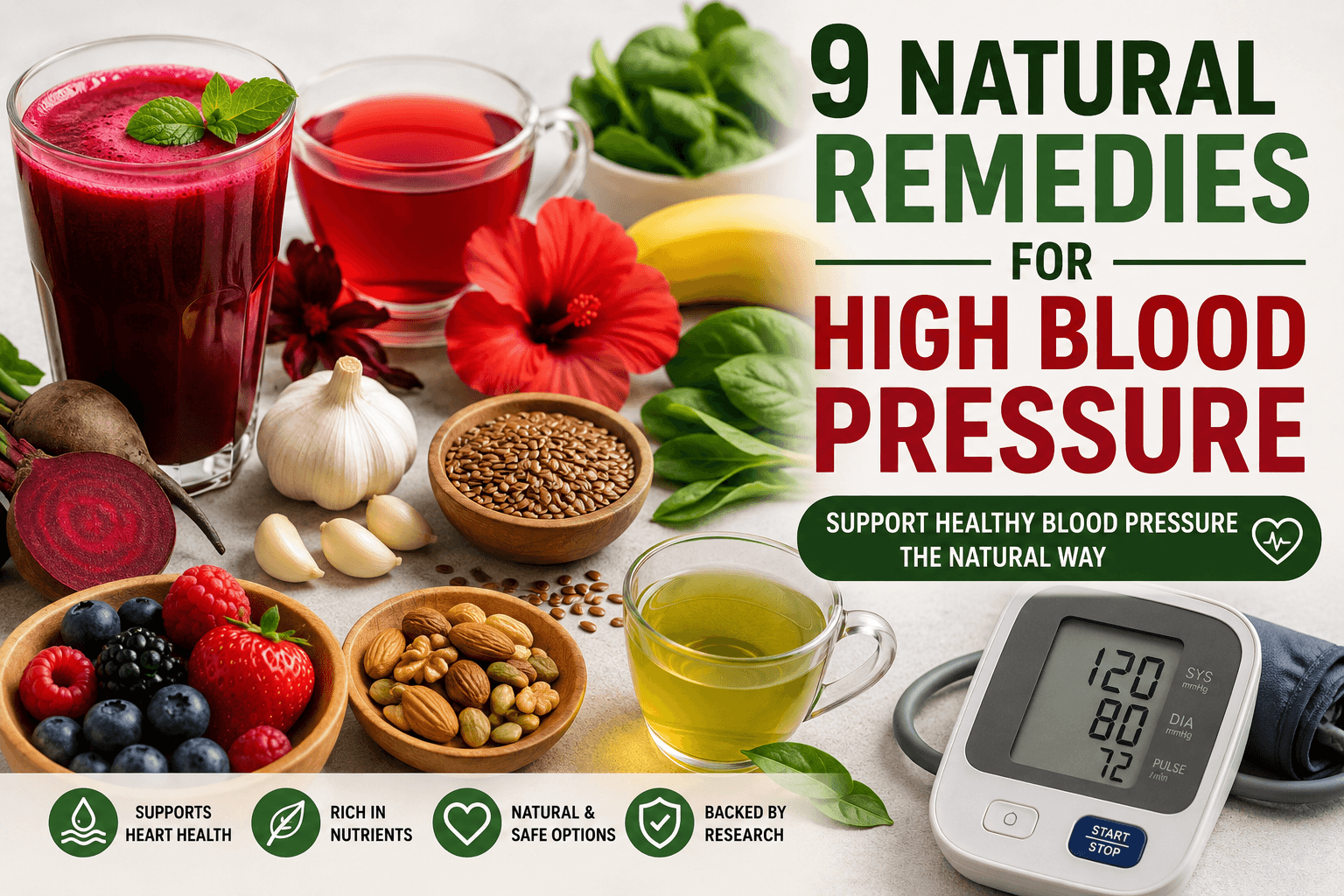
High blood pressure, also known as hypertension, is a common health concern that can often be supported through healthy diet and lifestyle choices. In this guide, we explore natural remedies for hypertension, including beetroot juice, hibiscus tea, garlic, flaxseeds, leafy greens, potassium-rich foods, berries, unsalted nuts and seeds, and green tea. These foods and drinks may help support healthy blood pressure when combined with an overall heart-healthy lifestyle. We’ll also look at how they may work, what research suggests, practical ways to include them in your diet, and important safety considerations.
Natural Remedies for Hypertension: Beetroot Juice
Description: Beetroot juice is rich in dietary nitrates (NO₃⁻), which the body converts to nitrite (NO₂⁻) and then to nitric oxide (NO), a potent vasodilator. This helps relax blood vessels and lower blood pressure. Beetroot also contains antioxidants (betalains), potassium and folate.
How it works: Dietary nitrate → NO₂⁻ → NO; NO relaxes vessel walls (vasodilation). Beetroot’s antioxidants may also improve endothelial function.
Clinical evidence: A 2022 meta-analysis of 7 trials (218 patients with hypertension) found that nitrate from beetroot juice significantly reduced systolic BP by ~5 mmHg (–4.95 mmHg, 95%CI –8.88 to –1.01) versus control. The effect on diastolic BP was small and not statistically significant in that review. (Evidence strength: moderate.) Studies in healthy adults also show ~2–3 mmHg SBP reduction after beet juice vs placebo.
Dose/Serving: Most studies used 70–250 mL/day of beetroot juice (often 250 mL ~ 1 cup). A common recommendation is ½–1 cup (100–250 mL) daily, providing ~300–500 mg nitrate. For consistency, store-bought or DIY juice (see recipe below) is fine.
Safety/Contraindications: Generally safe for most people. High oxalate in beetroot can contribute to kidney stones in susceptible individuals. It can cause harmless red urine/urine (beeturia). Do not overconsume – the high sugar content in juice might be an issue in diabetes. Pregnant women and people on nitrates should consult a doctor. Also, avoid beet juice if on phosphodiesterase inhibitors (e.g. Viagra) without advice (both affect NO pathways).
Tip/Recipe: To make beetroot juice at home, wash and peel 2–3 medium beets, chop and blend with a bit of water, then strain. Add apple or carrot to sweeten. Drinking with a straw can prevent teeth staining. Fresh juice works best; refrigerated juice loses nitrate over time. (Alternatively, 500 mg nitrate supplements are sold, but whole beetroot may have added antioxidants.)
Natural Remedies for Hypertension: Hibiscus Tea
Description: Hibiscus tea (made from Hibiscus sabdariffa petals) is a tart, cranberry-like herbal infusion. It contains anthocyanins and other polyphenols that inhibit angiotensin-converting enzyme (ACE) and may have mild diuretic effects.
How it works: The anthocyanins and phytochemicals in hibiscus can block ACE (like a natural ACE inhibitor), leading to vasodilation and fluid loss. One review notes hibiscus “may modestly inhibit ACE” and provide antioxidant support. The tea’s acidity also has a mild diuretic effect, lowering blood volume.
Clinical evidence: A 2022 systematic review/meta-analysis (17 trials) found systolic BP fell ~7.1 mmHg on average with hibiscus versus control. The reduction was greatest in those with higher baseline BP. The effect on diastolic BP was smaller (≈1–2 mmHg). These reductions were comparable to the modest effect of mild blood pressure meds. (Evidence strength: moderate.) A Cochrane review (2021) concluded regular hibiscus tea could reduce SBP by ~7 mmHg.
Dose/Serving: Typically 1–2 cups per day of hibiscus tea. One cup is made by steeping about 3–5 grams (≈1 tablespoon) of dried hibiscus flowers in hot water for 5–10 minutes. Most studies used 1–2 cups daily (often before bedtime and morning). Commercial hibiscus tea bags (Camellia sinensis blend) vary in hibiscus content, so pure hibiscus (“roselle”) is best.
Safety/Contraindations: Hibiscus is generally well-tolerated. However, it can lower blood pressure, so those on antihypertensive drugs should use it cautiously and monitor BP to avoid hypotension. Hibiscus may also lower estrogen levels – avoid in pregnancy (it may stimulate menstruation). It can interact with some drugs (e.g. it may increase acetaminophen or acetylsalicylic acid levels). In large amounts, hibiscus can also increase liver enzymes in some people, so limit to recommended servings. Drinking with a meal can reduce stomach upset.
Tip/Recipe: Brew a refreshing iced hibiscus tea: Steep 2 tablespoons of dried hibiscus petals in 500 mL boiling water for 10 minutes. Strain, sweeten lightly with honey (or stevia), and chill. Add mint or lemon for flavor. Some countries call this drink “agua de jamaica.”
Natural Remedies for Hypertension: Garlic
Description: Garlic (Allium sativum) contains sulfur compounds (allicin, alliin, ajoene) that can dilate blood vessels and inhibit ACE, lowering blood pressure. It is also anti-inflammatory and antioxidant.
How it works: Crushed raw garlic releases allicin, which boosts NO and hydrogen sulfide (H₂S) – both vasodilators – and inhibits ACE. Summary: garlic raises NO levels, reduces angiotensin II, and increases H₂S – all causing arterial relaxation.
Clinical evidence: Multiple meta-analyses show garlic supplements significantly lower blood pressure in hypertensive patients. One meta of 12 trials (553 patients) found SBP dropped ~8.3 mmHg and DBP ~5.5 mmHg on average. That’s comparable to a single antihypertensive drug. Another meta (20 trials, 900+ patients) reported ~8.6 mm SBP and 6.1 mm DBP drops in uncontrolled hypertension. (Evidence: strong.) Garlic also improved arterial stiffness and cholesterol modestly.
Dose/Serving: Raw garlic (1–2 cloves per day) or aged garlic extract capsules (often 600–1200 mg/day) are typical. Clinical trials often used 600–1200 mg aged garlic or 1–4 cloves of fresh garlic. Cooked garlic has less allicin; crushing and letting it sit 10 minutes before heating preserves the active compounds.
Safety/Contraindications: Garlic is generally safe but can cause breath/body odor, heartburn, gas, or allergic skin reactions in some. Because of its blood-thinning effect, avoid high doses if you take anticoagulants (e.g. warfarin, aspirin) or have bleeding disorders. Rarely, it may lower blood pressure too much, so combine carefully with meds. Garlic supplements should be used cautiously in pregnancy/lactation or severe ulcers.
Tip: Incorporate crushed garlic into soups, sauces or dressings. For example, make a quick greek-style dressing: 1 crushed garlic clove + lemon juice + olive oil + oregano, drizzled on salads. You can also take a capsule after meals to minimize odor.
Natural Remedies for Hypertension: Flaxseeds
Description: Flaxseeds (linseeds) are a rich source of omega-3 fats (alpha-linolenic acid), fiber, lignans (plant compounds), and potassium. These compounds are thought to modestly improve blood vessel function and reduce blood pressure.
How it works: Flaxseeds’ omega-3 (ALA) may dampen inflammation, and their lignans and fiber may improve endothelial function. They can promote nitric oxide and inhibit inflammation, slightly lowering peripheral resistance. The soluble fiber may also improve insulin and lipid profiles, indirectly affecting BP.
Clinical evidence: Evidence is promising but mixed. Some trials in hypertensive patients report significant BP reductions; for example, the FlaxPAD trial found substantial BP drops (~10 mmHg) in patients eating ~30g flax daily. A meta-analysis (2015) concluded flaxseed supplementation modestly lowers both SBP and DBP in adults with high BP. One systematic review noted SBP reductions of ~1.77 mmHg and DBP ~1.16 mmHg with flax (high variability). Overall, flaxseed is a promising adjuvant, but effects are usually smaller than garlic or hibiscus. (Evidence: moderate to limited.)
Dose/Serving: Ground flaxseed is more effective than whole. Aim for 1–2 tablespoons (10–20 g) per day of milled flaxseed, mixed into foods (smoothies, yogurt) or baked goods. About 25–30 g/day (≈2 tablespoons) is a common therapeutic dose in studies. Flax oil is mostly ALA fat, but the lignans and fiber are lost – ground whole seed is best.
Safety/Contraindications: Flaxseed is generally safe and can be eaten long-term. Eat with plenty of water, as it swells with fiber. High doses (>50 g) can cause bloating or loose stools. Very high flax intake (>30g/day) may lower sperm count temporarily (in men) or theoretically affect hormones, so stick to 10–20 g. Raw (unsoaked) whole seeds may pass unchanged, so grind them. Flax can add anticoagulant effect (like aspirin), so use caution if on blood thinners.
Natural Remedies for Hypertension: Leafy Green Vegetables
Description: Dark leafy greens (spinach, kale, swiss chard, lettuce, arugula, etc.) are high in nitrates, potassium, magnesium, and fiber – all nutrients linked to BP control. They are key in DASH and Mediterranean diets.
How it works: Leafy greens provide dietary nitrates (like beetroot) that convert to NO, promoting vasodilation. They’re also rich in potassium (which helps excrete sodium) and magnesium (which relaxes vessels). Their fiber and polyphenols also improve vascular health.
Clinical evidence: Evidence is mixed. Observationally, higher leafy intake is associated with lower BP. A notable RCT (DINO trial, 2020) in 231 adults found that 5 weeks of extra leafy greens (~300 mg nitrate/day) did not significantly lower 24h blood pressure compared to controls. Other small trials suggest possible minor benefits in some people, but not robust. Overall, leafy greens are nutritious and safe; even if BP changes are small or inconsistent, they contribute positively as part of an overall diet.
Dose/Serving: Aim for 2–4 servings of leafy greens daily. One serving is ~1 cup raw (spinach, lettuce) or ½ cup cooked. Good nitrate-rich choices include spinach, kale, arugula, watercress and beet greens.
Safety/Contraindications: Very safe for most. People prone to kidney stones may limit high-oxalate greens (spinach, chard). Those on blood thinners (warfarin) should monitor vitamin K intake (leafy greens are high in K), but blood pressure benefits still apply with dosage consistency. No real concerns otherwise – include a variety for maximum nutrients.
Natural Remedies for Hypertension: Potassium-Rich Foods
Description: Potassium is a mineral that helps counteract sodium and relax blood vessels. High-potassium foods include bananas, oranges, apricots, potatoes, tomatoes, beans, and dairy (milk, yogurt) among others.
How it works: Potassium causes kidneys to excrete more sodium (less retained fluid) and also eases tension in vessel walls. Together, these effects help lower blood pressure. In essence, high K intake reduces blood volume and vascular resistance.
Clinical evidence: Numerous studies link higher dietary potassium with lower BP. The American Heart Association recommends 3,500–5,000 mg potassium daily for adults with hypertension. A randomized DASH trial showed that the high-potassium DASH diet dramatically lowered BP. In people with normal kidney function, high potassium diets routinely achieve SBP reductions of 3–5 mmHg on average.
Dose/Serving: 3,500–5,000 mg (3.5–5 g) daily, primarily from food. For example, one banana (451 mg), ½ baked potato (380 mg), ½ cup cooked spinach (420 mg), ½ cup yogurt (260 mg). Aiming for ~8–10 servings of fruits/veggies per day easily reaches this level.
Safety/Contraindications: If you have kidney disease, severe heart disease, or take potassium-sparing diuretics (spironolactone, some ACE inhibitors), too much potassium can be dangerous (hyperkalaemia). Always check with a doctor before high-dose potassium. Otherwise, get K from whole foods (not salt substitutes without advice).
Berries (Blueberries, Strawberries, etc.)
Description: Berries are rich in anthocyanins (purple pigments) and other flavonoids. Blueberries, blackberries, strawberries and similar have antioxidant and anti-inflammatory properties.
How it works: Anthocyanins may increase nitric oxide and improve blood vessel elasticity, and their antioxidants fight oxidative stress that can stiffen arteries. These factors may slightly lower vascular resistance and improve endothelial function.
Clinical evidence: The evidence is limited and modest. Some small trials found that daily blueberry or mixed berry consumption can reduce SBP by a few mmHg. For instance, one 6-week trial gave 50 g of wild blueberry powder daily and observed SBP reductions (~3–6 mmHg) in older adults. However, a broader meta-analysis did not find significant BP improvements across multiple berry studies. Thus, berries are heart-healthy, but BP effects are uncertain and likely small (e.g. ~2–4 mmHg) in most people.
Dose/Serving: 1–2 cups of berries per day (fresh or frozen) is a practical target. Include any mix of blueberries, strawberries, raspberries, blackberries, etc. Alternatively, drink unsweetened 100% cranberry or pomegranate juice (1 cup) for anthocyanins.
Safety/Contraindications: Generally very safe. Berries have fiber and low calories, but juice contains sugar – eat whole berries when possible. Check for pesticide residues; wash or buy organic if concerned.
Natural Remedies for Hypertension: Unsalted Nuts and Seeds
Description: Almonds, walnuts, pistachios, sunflower seeds, etc. provide healthy fats (MUFA/PUFA), magnesium, arginine (an amino acid for NO), fiber and antioxidants. They are often part of heart-healthy diets.
How it works: Nuts/seeds supply arginine, a precursor to nitric oxide, and magnesium which relaxes muscles. Their healthy fats and antioxidants reduce inflammation. These factors may modestly lower BP.
Clinical evidence: Surprisingly, a recent meta-analysis of 115 trials found no significant blood pressure lowering from nut consumption (though it did improve lipids). That suggests any effect is small or context-dependent. However, some smaller trials (especially with pistachios) show minor SBP reductions (~2–3 mmHg). Overall, evidence for BP-lowering is limited.
Dose/Serving: A typical recommendation is a small handful (≈30 g) of unsalted nuts or seeds per day (about 1 oz). Examples: ~6 walnuts, ~12 almonds, or ~2 tablespoons of pumpkin seeds. Use unsalted to avoid extra sodium.
Safety/Contraindications: Nuts are nutrient-dense; they add calories, so portion control matters. They also contain some oxalate (cashews) or phytates (which can modestly block mineral absorption), but these aren’t major issues in balanced diets. Only avoid if you have severe nut/seed allergies. Otherwise, including them in moderation is beneficial for overall heart health, even if BP effects are modest.
Natural Remedies for Hypertension: Green Tea
Description: Green tea (Camellia sinensis) contains catechins (EGCG) and a bit of caffeine. It’s known for antioxidant and metabolic effects.
How it works: Catechins may improve endothelial function, promote nitric oxide, and reduce inflammation. The modest caffeine content gives a short-term increase in heart rate, but long-term tea drinkers develop tolerance. Overall, green tea’s polyphenols may cause slight vasodilation and lower blood vessel stiffness.
Clinical evidence: A 2014 meta-analysis of 13 RCTs found a small but significant BP reduction: SBP down ~1.98 mmHg and DBP ~1.92 mmHg on average with green tea versus control. The effect was larger in long-term studies and in decaffeinated catechin extracts. (Evidence: modest.) Recent trials suggest 2–3 cups/day (or 250–500 mg EGCG) is needed to see this tiny effect.
Dose/Serving: 2–3 cups of green tea per day, brewed (not too long to avoid bitterness), is typical. Alternatively, green tea extract capsules (400–500 mg catechins) are used in some trials. A brewed cup (~200 mL) contains ~50–100 mg EGCG, so aim for 200–300 mg catechins daily.
Safety/Contraindications: Green tea is generally safe, but too much can cause insomnia or anxiety in caffeine-sensitive people. Decaffeinated green tea or extracts can be used if caffeine is an issue. Rarely, very high doses of green tea extract have been linked to liver injury. Always stay near dietary amounts. Avoid adding sugar to your tea, as that counteracts the benefit.
How These Remedies Work (Flowchart)
mermaidCopygraph LR
    Beetroot(Beetroot juice: high dietary NO<sub>3</sub><sup>-</sup>) --> Nitrite(Nitrite(NO<sub>2</sub><sup>-</sup>))
    Nitrite --> NO[Nitric Oxide (vasodilation)]
    Hibiscus(Hibiscus tea: anthocyanins) --> ACE[ACE inhibition & diuresis]
    Garlic(Garlic/allicin) --> ACE
    ACE --> Vasodilation(Vasodilation ↓ BP)
    Potassium(Potassium-rich foods) --> NaExcrete(Natriuresis ↑)
    NaExcrete --> LowerVolume(Reduced blood volume)
    LowerVolume --> Vasodilation
    Berries(Berries: antioxidants) --> ReduceOxid(Oxidative stress↓)
    ReduceOxid --> Vasodilation
    LeafyGreens(Leafy greens: nitrates, K, Mg) --> Nitrite
    LeafyGreens --> NaExcrete
    GreenTea(Green tea: catechins) --> ReduceOxid
The flowchart depicts key pathways: nitrates (from beetroot, leafy greens) → NO → vessel dilation; ACE inhibition (garlic, hibiscus) and potassium/excretion reducing fluid load; and antioxidant/anti-inflammatory effects (berries, green tea) that all help relax blood vessels.
Natural Remedies for Hypertension: Comparison Table
| Remedy | Approx SBP/DBP effect* | Evidence Strength | Typical Dose/Serving |
|---|---|---|---|
| Beetroot juice | ↓4–6 / ~0 mmHg | Moderate (meta) | 100–250 mL juice daily |
| Hibiscus tea | ↓6–8 / ~1–2 mmHg | Moderate (meta) | 1–2 cups (3–5 g tea) daily |
| Garlic | ↓8–9 / ↓5–6 mmHg | Strong (meta) | 600–1200 mg aged extract or 2–4 cloves daily |
| Flaxseeds | ↓2–5 / ↓1–3 mmHg | Moderate (some trials) | 1–2 tablespoons (10–20 g) ground daily |
| Leafy greens | ~0–2 / 0 mmHg (RCT) | Limited/inconsistent | ~2–4 servings vegetables daily |
| Potassium foods | ↓3–5 / ↓2–4 mmHg (estimated) | Strong (guidelines) | ~3.5–5 g K/day (fruits/veggies) |
| Berries | ↓1–4 / ↓1–3 mmHg (trial data) | Limited (small trials) | 1–2 cups fruits daily |
| Nuts & seeds | ~0 / ~0 mmHg | Limited (meta shows none) | ~1 oz (30 g) unsalted daily |
| Green tea | ↓2 / ↓2 mmHg | Modest (meta) | 2–3 cups tea (200–400 mg catechins) |
SBP = systolic BP; DBP = diastolic BP; “↓X mmHg” denotes average reduction in hypertensive subjects from clinical studies. Evidence strength is relative; “meta” denotes meta-analysis or multiple RCTs.
Conclusion
These 9 natural remedies offer potential complementary strategies to help lower high blood pressure. Beetroot juice, hibiscus tea, and garlic have the strongest clinical evidence (often comparable to mild medications), while others (flaxseed, leafy greens, berries, nuts, green tea) may offer smaller or less consistent benefits. All are nutrient-rich foods that also support overall heart health. Importantly, none of these “cures” are guaranteed or sufficient alone. Use them with caution and realistic expectations: eat a varied diet (fruits, vegetables, whole grains, lean protein), keep salt intake low, exercise, maintain a healthy weight, and take prescribed medications as directed.
Safety Disclaimer: This information is not medical advice. Individuals with hypertension should consult a healthcare professional before changing diet or supplement regimens. These natural approaches may interact with medications (e.g. blood thinners, BP drugs), and some (like hibiscus or high potassium foods) require caution in certain conditions (pregnancy, kidney disease, etc.). Never abruptly stop blood pressure medication.
FAQ
1. Can these remedies replace my blood pressure medicine?
No. These foods and drinks can support healthy blood pressure
2. How quickly will I see an effect?
Many trials saw BP changes in 4–8 weeks of regular intake. For example, garlic and hibiscus studies often ran 1–3 months.
3. Are there any side effects I should watch for?
Generally, these are safe foods. Potential issues include stomach upset or diarrhea (hibiscus in excess), bleeding risk (raw garlic, flax), or too much potassium (with supplements or in kidney disease). Hibiscus is not recommended in pregnancy. Nuts should be unsalted. Always start with small amounts and increase gradually, and inform your doctor of all supplements/foods you’re adding.
4. How much should I eat of these each day?
Rough guidelines: Beetroot juice: ~100–250 mL (½–1 cup); Hibiscus tea: 1–2 cups (2–3 teaspoons dried petals per cup); Garlic: 1–2 cloves (or 600–1200 mg aged extract); Flaxseed: 1–2 tablespoons ground; Leafy greens: ~2–4 cups; High-K foods: enough to reach ~3.5–5 g K (e.g. 1 banana + 1 potato + veggies); Berries: 1–2 cups; Nuts/seeds: 1 handful (~30g); Green tea: 2–3 cups (about 200–300 mg catechins). These are general – see article for details.
5. What if my blood pressure is already low?
If your BP is normal or low, you don’t need to “lower” it further. In people with normal BP, these foods typically do not cause hypotension. Garlic, for instance, seems to “normalize” BP (affecting mainly those with high BP). However, if you experience dizziness or faintness, stop and consult a doctor.