Biotin for Hair Growth: Benefits, Evidence & What Science Says
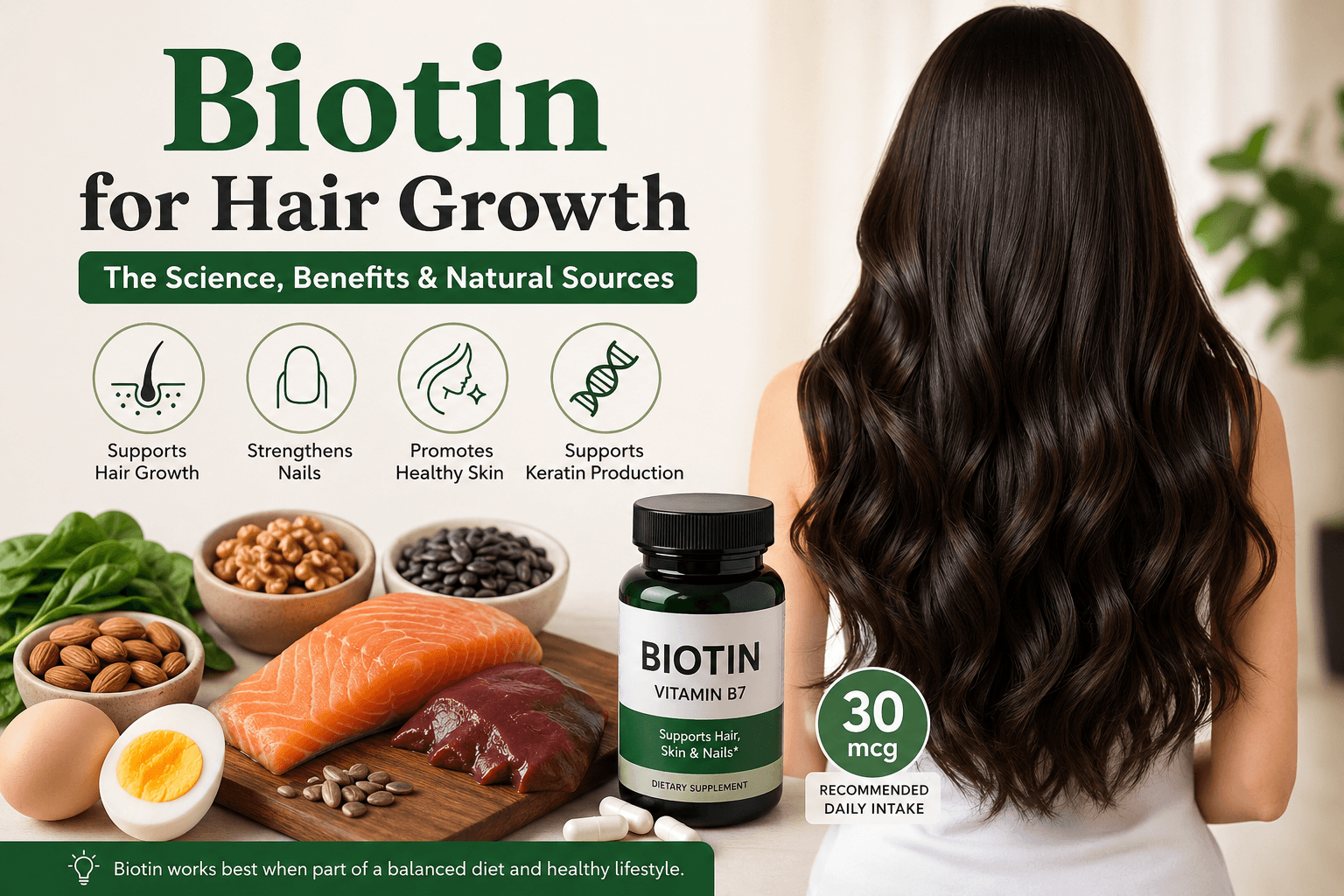
Biotin for Hair Growth has become one of the most popular topics in the world of hair care. Biotin (vitamin B7) is widely marketed as a supplement for stronger, thicker, and healthier hair. However, scientific research suggests that most healthy adults do not benefit from extra biotin unless they have a true deficiency. Since foods like eggs, nuts, seeds, meat, and fish naturally provide biotin, most people easily meet the recommended daily intake of 30 mcg.
What Is Biotin for Hair Growth and Why Does It Matter?
Biotin (vitamin B7 or vitamin H) is a water-soluble B vitamin that the body needs for metabolism and energy production. It is an essential cofactor for several carboxylase enzymes involved in fatty acid synthesis and amino-acid metabolism. Importantly for hair, biotin also contributes to the production of keratin, the fibrous protein that makes up hair, skin and nails. Without sufficient biotin, biochemical reactions slow down, potentially affecting hair and nail growth.
Biotin is widely present in foods: liver, egg yolks, meat, fish, seeds, nuts and some vegetables (sweet potato, spinach, broccoli) are good sources. A balanced Western diet typically provides 35–70 mcg of biotin per day, exceeding the Adequate Intake of 30 µg for adults. The body also recycles biotin efficiently. True severe biotin deficiency in healthy people eating a mixed diet has never been reported. In short, most people in developed countries get enough biotin from food alone.
Biotin for Hair Growth: Understanding Biotin Deficiency and Hair Loss
Because our bodies need so little biotin and it’s plentiful in foods, true biotin deficiency is extremely rare. Risk factors for deficiency include genetic disorders (biotinidase or holocarboxylase synthetase deficiency), chronic raw egg-white consumption (which contains avidin, a biotin-blocker), long-term use of certain medications (some anti-seizure or antibiotics), alcoholism, and malnutrition. Notably, about a third of pregnant women develop marginal biotin deficiency due to increased needs, though the clinical impact is unclear.
Signs of biotin deficiency can include: thinning hair (which may progress to widespread hair loss), a scaly red rash around body openings (face, eyes, nose, mouth), brittle nails, conjunctivitis, and neurological symptoms (depression, lethargy, numbness). These symptoms have mostly been observed in infants or individuals with inborn errors of biotin metabolism. In adults, unless one of the rare risk factors is present, hair loss is unlikely due to biotin deficiency.
Given deficiency is so uncommon, doctors typically look for more common causes of hair loss (iron deficiency, thyroid dysfunction, hormone issues, stress, etc.) before considering biotin. That said, case reports and small studies do show that if someone truly has low biotin (for example due to malabsorption or certain genetic disorders), giving biotin supplements can dramatically improve hair and skin symptoms.
Scientific Evidence on Biotin for Hair Growth
biotin for hair growth in people with biotin deficiency
Studies and case reports consistently show that when biotin deficiency is present, supplementing with biotin usually leads to hair regrowth and improved nail growth. For example, Patel et al. found 18 reported cases where patients with underlying biotin-related pathology (like biotinidase deficiency or brittle nail syndrome) all improved after biotin therapy. Likewise, small pediatric studies of uncombable hair syndrome (a rare hair-shaft disorder) found that 3–5 mg/day of biotin for a few months improved hair health in most children.
A recent systematic review reinforces this: current human evidence suggests biotin supplementation may be considered in scenarios with confirmed deficiency or malabsorption, but shows no benefit for hair loss in people with normal biotin status. In short, the only proven hair benefit from biotin is in people who are actually low in biotin.
Does biotin for hair growth work in healthy people
For the vast majority of people who already get enough biotin from their diet, taking extra biotin does not appear to enhance hair growth or thickness. Multiple reviews and trials have looked at this and come to the same conclusion:
- A 2024 review in the Journal of Clinical and Aesthetic found just three studies meeting inclusion criteria, and the highest-quality one (double-blind RCT) showed no difference in hair growth between a biotin group and a placebo group. The other two studies (one on acne patients on isotretinoin, one on women post-bariatric surgery) were small and inconclusive. Overall, the review concluded that “the utility of biotin as a hair supplement is not supported by high-quality studies”.
- A 2026 systematic review (MDPI journal) of 10 controlled trials found that biotin monotherapy did not show consistent benefit on objective hair outcomes. When any improvement occurred, it was usually in studies where biotin was given along with other vitamins or treatments, making it impossible to credit biotin alone. This review’s conclusion echoes others: “Current evidence does not support routine biotin supplementation for alopecia in the absence of documented deficiency”.
- Earlier analyses (e.g. Patel 2017) similarly noted that all documented improvements involved underlying deficiency or pathology, and that “there is lack of sufficient evidence for supplementation in healthy individuals”. In plain terms, if you’re a well-nourished person with normal biotin levels, the research shows biotin is unlikely to make your hair grow faster or thicker.
The bottom line from science: Biotin for hair is only helpful if you’re actually biotin-deficient. For most people, extra biotin is not a magic potion and won’t counteract typical hair thinning or hair loss.
Natural Food Sources of Biotin for hair growth
Since a balanced diet usually provides enough biotin, focusing on biotin-rich foods is a safe way to support hair health. Top sources include:
- Liver and organ meats: e.g. 3 oz cooked beef liver has ~31 mcg (over 100% DV).
- Eggs: Especially egg yolks (cooked), ~10 mcg per large egg (33% DV). (Note: avoid raw eggs often, since raw egg white contains avidin which blocks biotin absorption.)
- Fish and meat: Salmon (5 mcg per 3 oz), pork and beef (~3–4 mcg per serving).
- Seeds and nuts: Sunflower seeds (2.6 mcg/¼ cup) and almonds (1.5 mcg/¼ cup).
- Vegetables: Sweet potato (2.4 mcg per ½ cup), spinach, broccoli (0.4–0.5 mcg per ½ cup).
- Dairy and grains: Minor sources, e.g. milk (0.3 mcg/cup) and whole grains provide small amounts.
Including a variety of these in your meals (like eggs for breakfast, nuts or seeds as snacks, and meats or fish for dinner) will easily meet or exceed the biotin DV (30 µg). Because cooking inactivates avidin, cooked eggs are fine to eat. The body’s gut bacteria also produce some biotin, adding to your supply. Overall, a nutrient-dense diet covers biotin needs for most people.
Who May Benefit from Biotin for hair growth Supplements?
Given the evidence, who should consider biotin supplements for hair? Mainly two groups:
- People with confirmed biotin deficiency. If tests show low biotin (rare outside special conditions), supplementing can correct deficiency symptoms. As the StatPearls review notes, even a short trial of biotin (5–10 mg/day) in suspected deficiency cases often leads to rapid improvement in rash and hair loss. For inherited deficiency (biotinidase or holocarboxylase deficiency), lifelong high-dose biotin therapy is mandatory.
- Those with marginal biotin due to high demand or loss. For example, pregnant or breastfeeding women have higher biotin needs, and some develop low biotin levels. Patients on anticonvulsant drugs or long-term total parenteral nutrition may also lose biotin. In these cases, a healthcare provider might check biotin status or recommend supplements, especially if hair loss or skin issues are present.
In all other cases (healthy adults, hair loss due to stress, genetics or hormonal issues), supplementing biotin alone is unlikely to help. It won’t solve hair loss from iron-deficiency anemia, thyroid disease, or age-related thinning. The consensus is to first address more common causes. Biotin might be a secondary consideration if other tests (iron studies, thyroid function, vitamin D, etc.) are normal and there’s suspicion of marginal biotin status.
Testing for Biotin Deficiency
There is no simple routine blood test for biotin like there is for, say, iron or thyroid hormone. Tests exist (serum biotin, urinary 3-hydroxyisovaleric acid), but they are specialized and not widely available. Importantly, serum biotin level can be unreliable in mild deficiency. In practice, doctors rarely test biotin levels unless a genetic disorder is suspected.
Instead, if someone has unexplained hair loss with signs suggesting deficiency (rash, brittle nails, neurological symptoms), a doctor might order:
- Biotinidase activity (newborn screening covers this in many countries) for suspected inherited cases.
- Organic acid test in urine (high 3-hydroxyisovaleric acid can indicate biotin deficiency).
- Empirical trial of biotin (5–10 mg daily) for a few weeks, observing for improvement.
More often, physicians rule out iron deficiency (ferritin), thyroid issues (TSH), and general nutrition factors first, since these are far more common causes of hair loss. Only if those are normal would they consider a biotin workup.
Risks and Considerations
Biotin is water-soluble and nontoxic even at high doses. The NIH fact sheet notes that even 10–50 mg/day (hundreds of times the AI) caused no known harm. There is no established upper limit because toxicity hasn’t been observed. However, there is a major concern with lab tests: biotin can interfere with certain blood tests. Modern assays for hormones (TSH, vitamin D, troponin, etc.) often use biotin-streptavidin technology. High biotin intake (as little as 10 mg) can make these tests give falsely low or high results.
Clinical reports have documented patients misdiagnosed with thyroid disorders or heart attack because they took biotin supplements beforehand. As a precaution, the FDA advises patients to stop high-dose biotin at least 48 hours before lab work.
In practical terms, if you take biotin supplements and then have blood tests that don’t fit your symptoms, mention your biotin use to your doctor. Otherwise, apart from lab interference, biotin supplements have few side effects. Rare cases of acne-like rash have been reported, but generally it’s considered safe. Still, it’s wise not to take mega-doses unnecessarily. Follow product labels or doctor advice; “more” is not always better.
Recommended Dosages
The Adequate Intake (AI) for adult biotin is 30 µg/day. Most multivitamins contain around this amount. Over-the-counter biotin pills often have 1000–10000 µg (1–10 mg) or more – vastly above the AI.
For proven deficiency states, doses of 5–10 mg/day have been used with success. Some genetic disorders require even higher lifelong doses. But for general hair health, there’s no evidence that high doses (beyond correcting a deficiency) yield extra benefit. Always check labels and doctor recommendations.
Nutrients Beyond Biotin
It’s important to remember hair growth is multi-factorial. Biotin is just one small piece. For healthy hair, ensure:
- Protein: Hair is mostly protein (keratin). Low protein diets can cause thinning.
- Iron: Iron deficiency is a very common cause of hair loss, especially in women. A ferritin (iron storage) test is often done in hair loss workups.
- Zinc and Vitamin D: Some evidence links these to hair health, and they are frequently tested if hair loss is unexplained.
- Omega-3 fatty acids and biotin-rich foods: Eating a balanced, nutrient-dense diet benefits hair and overall health.
In other words, rather than focusing on a single vitamin, address overall nutrition, stress, and health. Sometimes lifestyle fixes (better diet, stress management, hormone balance) have more impact than any one supplement.
Table: Biotin and Hair Growth – Evidence at a Glance
| Population | Scientific Evidence (Hair Growth) | Recommendation |
|---|---|---|
| Biotin-Deficient individuals | Multiple case reports/ small studies show hair regrowth and symptom improvement with supplementation. Deficiency causes hair loss. | Treat with biotin (e.g. 5–10 mg/day) as advised by doctor. Confirm and correct underlying cause. |
| Biotin-Sufficient healthy individuals | High-quality studies (RCTs, reviews) find no clear benefit of extra biotin for hair. No evidence that megadoses improve hair in non-deficient people. | Focus on diet and other proven hair-health measures. Biotin supplements typically not recommended solely for hair growth. |
Flowchart: Hair Loss Decision Path
mermaidCopyflowchart TD
    A(Hair Loss Noticed) --> B[Doctor Evaluation: Tests]
    B --> C{Lab Results}
    C --> |Iron, Thyroid, Etc. Low| D[Treat those deficiencies first]
    C --> |Biotin Level Low| E[Prescribe Biotin (~5–10 mg/day)]
    C --> |No Deficiencies| F[Focus on overall nutrition, consider other treatments]
Conclusion
Biotin’s role in hair health is real only in the context of deficiency. For the average person with normal biotin intake, taking extra biotin supplements is unlikely to make hair thicker or grow faster. Numerous recent reviews and clinical studies find scant support for biotin in non-deficient hair loss. Instead of over-the-counter biotin, focus on a balanced diet rich in protein and iron, manage stress, and address any underlying medical issues.If your hair loss persists, consult a healthcare provider. They can identify common causes such as iron deficiency, anemia, thyroid disorders, hormonal imbalances, or nutritional deficiencies and recommend the most appropriate treatment. If testing confirms a biotin deficiency, biotin supplements can effectively support healthy hair growth. However, for most people, a balanced diet and evidence-based treatments remain the best approach to maintaining healthy hair.
FAQ Biotin and Hair Growth
Q1: Does taking biotin make your hair grow faster?
A: Not typically. Research shows only people with an actual biotin deficiency see hair improvement from supplements. If you already get enough from food (most Western diets do), extra biotin has not been shown to speed hair growth.
Q2: How can I tell if I have a biotin deficiency?
A: True biotin deficiency is rare. It can cause hair thinning, a red rash around the mouth/eyes, and brittle nails. Your doctor might check for deficiency if these appear, especially in babies. They may run specialized blood/urine tests or try a therapeutic biotin trial. But more often they test for common causes like iron or thyroid issues first.
Q3: Is it safe to take high-dose biotin supplements?
A: Biotin is generally safe and non-toxic even at high doses. However, high doses can interfere with some lab tests (thyroid hormone, vitamin D, troponin, etc.) leading to false results. If you take biotin supplements, tell your doctor before any blood work. Follow labeled dosages unless advised by a doctor.
Q4: Which foods are high in biotin?
A: Good sources include: cooked egg yolks, liver, salmon, meat, nuts (almonds, peanuts), sunflower seeds, sweet potatoes, and spinach. For example, 3 oz of beef liver provides ~31 mcg (100% DV) and one egg ~10 mcg (33% DV). Eating a variety of these foods can meet your biotin needs naturally.
Q5: What other factors are important for healthy hair?
A: Besides biotin, protein intake (hair is made of keratin), iron levels, zinc, vitamin D, and overall nutrition are critical. Hormonal balance and stress management also affect hair health. Often hair loss is helped more by correcting iron or thyroid levels than by vitamins. A dermatologist or doctor can advise a holistic approach.