8 Yoga Asanas That Can Help Reduce Tension and Anxiety
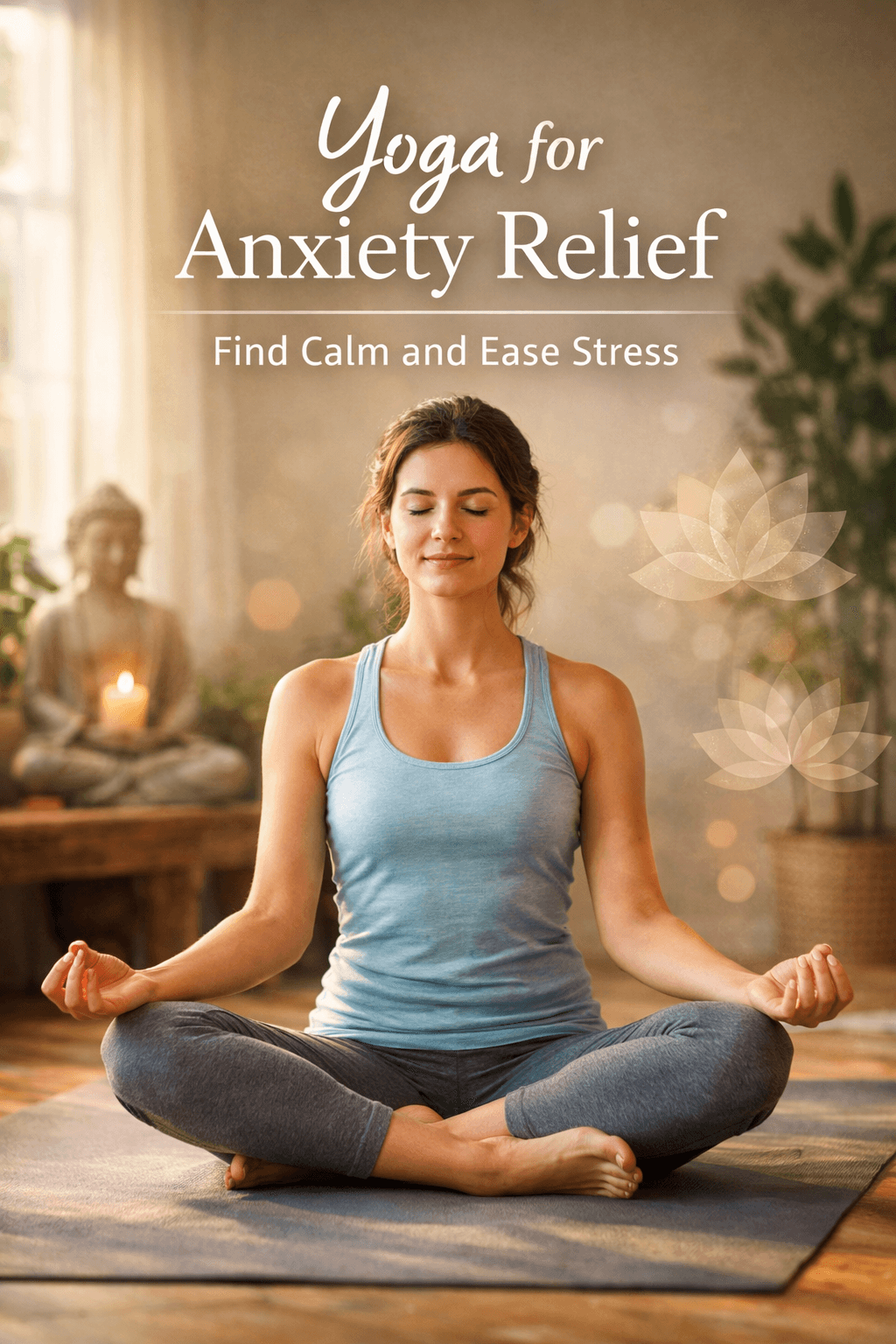
In an era of constant deadlines, digital overload, and social pressure, anxiety can feel like a near-constant companion. According to the Anxiety & Depression Association of America, more than 40 million adults in the United States experience an anxiety disorder each year. While therapy and medication remain important treatment options, many people now turn to Yoga for Anxiety Relief as a complementary, natural way to ease mental and physical tension. Yoga combines mindful movement, controlled breathing, and relaxation techniques, offering a holistic approach to calming the nervous system and building emotional resilience. Harvard Medical School notes that the blend of breathing practices and meditation used in yoga can reduce anxiety and depression, support brain health, and even strengthen neural connections related to learning and memory. Research also suggests that regular yoga practice may boost mood by increasing gamma-aminobutyric acid (GABA), a neurotransmitter linked to relaxation and lower anxiety levels.
How help Yoga for Anxiety Relief
Before exploring specific poses, it helps to understand why yoga works. Research indicates that yoga activates the parasympathetic nervous system—the “rest‑and‑digest” response—which lowers heart rate, improves sleep and calms emotional reactivity. One review of 15 studies found that relaxation techniques such as massage, muscle relaxation and yoga all reduced depression and anxiety, but yoga and music delivered the most lasting relief. Healthline’s medically reviewed article on yoga for anxiety emphasizes that practicing yoga and focusing on the breath can quiet negative mental chatter and promote mindfulness. In summary, yoga is not a cure‑all for anxiety, but it can help reduce symptoms when practiced consistently as part of a broader self‑care plan.
1. Child’s Yoga for Anxiety Relief (Balasana)
Why it helps
Child’s pose is a gentle forward fold that relaxes the back, hips and shoulders. The Cleveland Clinic describes balasana as a restorative full‑body stretch that activates the parasympathetic nervous system, helping to manage stress and chronic pain and even improve sleep. By folding forward and breathing deeply, you also build mind–body awareness, calming anxiety and intrusive thoughts.
How to practice
- Begin on your knees with the tops of your feet pressed into the mat.
- Touch your big toes together and separate your knees to hip width or wider for comfort.
- As you exhale, sink your hips back toward your heels and fold forward, bringing your forehead toward the floor.
- Extend your arms out in front of you for a deeper shoulder stretch, or keep them by your sides for a more restful variation.
- Hold for 1–5 minutes, breathing deeply through the nose.
If kneeling is uncomfortable, place a folded blanket under your knees or practice the seated or standing variations described in the Cleveland Clinic guide.
Mindful tip
Focus on the sensation of your breath pressing into your thighs as you inhale and softening as you exhale. This simple awareness can help you feel grounded and safe—a powerful antidote when anxiety strikes.
2. Cat–Cow Yoga for Anxiety Relief (Marjaryasana–Bitilasana)
Why this sequence eases anxiety
The cat–cow sequence is a dynamic pairing of spinal flexion and extension that improves spinal mobility and encourages breath awareness. Cleveland Clinic notes that it activates core muscles and stimulates synovial fluid, helping reduce stiffness. Most importantly for anxiety, synchronizing movement with breath promotes deep, steady breathing, which calms the mind and eases stress.
How to practice
- Start on all fours (tabletop) with wrists under shoulders and knees under hips. Engage your core slightly.
- Inhale into cow pose: drop the belly toward the mat, lift the tailbone and chest, and gently look forward.
- Exhale into cat pose: round the spine, tuck the tailbone and bring the chin toward the chest.
- Continue flowing between cow and cat with your breath for 5–10 repetitions.
If your wrists or knees are sensitive, try the seated cat–cow variation by sitting tall with feet on the floor and moving your spine in the same way.
Mindful tip
Imagine you are massaging your spine from the inside. Synchronize each inhale with expansion and each exhale with compression—this simple rhythm anchors your attention and signals your nervous system to relax.
3. Legs Up the Yoga for Anxiety Relief (Viparita Karani)
Why this inversion calms anxiety
Viparita Karani is a restorative inversion in which you lie on your back and elevate your legs against a wall. Gravity assists the return of blood and lymphatic fluid, helping reduce swelling and improve circulation. Cleveland Clinic’s Robert Saper, MD, notes that the pose is safer than more demanding inversions like headstands and can be practiced by beginners. Restorative inversions like legs up the wall are thought to activate the body’s relaxation response; patients often describe feeling calm when holding the pose.
How to practice
- Place a folded blanket or yoga mat next to a wall and sit with your right hip touching the wall.
- As you exhale, lie down and swing your legs up so the backs of your legs rest against the wall.
- Scoot your buttocks toward or away from the wall until you find a comfortable angle.
- Soften your shoulders, arms and face, and hold for 3–10 minutes, focusing on slow breathing.
- To come out, bend your knees, roll to one side and sit up slowly.
You can place a bolster or folded blanket under your hips to support your lower back. Avoid this pose if you have glaucoma or serious neck issues; consult a physician if unsure.
Mindful tip
While holding the pose, visualize your stress flowing down the wall with every exhale, leaving your body calmer and lighter. This imagery can enhance the de‑stress effect.
4. Seated Forward Bend Yoga for Anxiety Relief (Paschimottanasana)
Why this forward bend calms the mind
This seated fold stretches the entire back of the body and gently compresses the abdominal organs. According to the yoga resource Shvasa, Paschimottanasana stimulates the central nervous system, balancing the sympathetic and parasympathetic systems. As a result, the pose calms the brain and reduces stress, anxiety and depression. The forward bend also massages visceral organs, supporting digestion, which can indirectly improve mood.
How to practice
- Sit with your legs extended (Dandasana). You may sit on a folded blanket to elevate your hips.
- Inhale and raise your arms overhead, lengthening your spine.
- Exhale and hinge forward from the hips, keeping the spine long. Allow your hands to rest on your legs, feet or yoga strap without forcing the stretch.
- Hold for 1–5 minutes, breathing calmly.
If hamstrings are tight, bend your knees slightly. Pregnant individuals or those with lower back injuries should avoid deep forward folding and instead practice a gentle wide‑legged version.
Mindful tip
Rather than striving to touch your toes, focus on the sensation of releasing tension in your back and hamstrings with each exhale. Let the fold be a metaphor for letting go of worries.
5. Bridge Yoga for Anxiety Relief (Setu Bandhasana)
Why this backbend relieves stress and anxiety
Bridge pose is a gentle backbend that opens the chest and stretches the neck, spine and hips. The CNY Healing Arts clinic states that Setu Bandhasana improves circulation, calms the brain and helps alleviate stress and mild depression. It also reduces fatigue, anxiety and insomnia and can rejuvenate tired legs. By activating the posterior chain muscles (glutes and hamstrings), bridge pose counters the slumped posture that often accompanies anxiety.
How to practice
- Lie on your back with knees bent and feet hip‑width apart, close to your buttocks. Keep your arms by your sides with palms facing down.
- On an inhale, press into your feet and arms, lifting your hips toward the ceiling while keeping your knees over your ankles.
- Optionally, clasp your hands under your pelvis and roll your shoulders underneath to open the chest.
- Hold for 5–15 breaths, then lower slowly on an exhale.
For a restorative variation, place a yoga block under your sacrum and allow your pelvis to rest on it, turning the pose into a passive inversion.
Mindful tip
With every inhale, imagine expanding your heart center; with every exhale, visualize releasing anxiety through your open chest. Combining bridge pose with a mantra (e.g., “I am supported”) can deepen its calming effect.
6. Cobra Yoga for Anxiety Relief (Bhujangasana)
Why this backbend reduces anxiety
Cobra pose is a backbend that lengthens the spine and opens the chest. A Healthline review notes that practicing yoga programs that include cobra pose can reduce symptoms of depression. One study found that a 12‑week yoga program incorporating cobra pose improved self‑reported lower‑back pain and reduced the anxiety that accompanies chronic pain. By strengthening the back muscles and encouraging deep breathing, cobra pose fosters a feeling of uplift and self‑confidence.
How to practice
- Lie prone (face down) with legs extended and tops of the feet on the mat. Place your palms beneath your shoulders.
- Inhale and press into your hands, lifting your chest off the floor while keeping elbows close to your ribs.
- Keep your lower ribs on the mat for Low Cobra, or straighten your arms for Full Cobra if it feels comfortable.
- Draw your shoulders away from your ears and gaze slightly upward. Hold for a few breaths and lower on an exhale.
Avoid compressing your lower back by engaging your abdominal muscles and lengthening your tailbone. If you have neck or back injuries, stick to a low variation or skip this pose.
Mindful tip
Imagine yourself rising above your worries as you lift your chest. Pair the movement with a mantra like “I am strong and resilient.”
7. Corpse Yoga for Anxiety Relief (Savasana)
Why this resting pose reduces anxiety
Savasana, often practiced at the end of a yoga session, is a resting pose in which you lie supine and surrender the weight of your body. Meditation platform Headspace explains that the purpose of Savasana is to calm the mind and body, releasing stress and grounding the body. The pose activates the parasympathetic nervous system, leading to a lowered heart rate and decreased release of stress hormones like adrenaline and cortisol. Reduced stress is associated with improvements in conditions like inflammation, anxiety and insomnia.
How to practice
- Lie flat on your back on a yoga mat. Separate your legs comfortably and let your arms rest by your sides with palms facing up.
- Close your eyes and focus on your natural breath, allowing the body to become soft and heavy.
- Optionally, practice a body scan: mentally move your awareness from head to toes, releasing tension in each area.
- Stay for 5–15 minutes.
If lying flat is uncomfortable, place a bolster under your knees or use a folded blanket under your head for support.
Mindful tip
Think of Savasana as the moment when all the benefits of your practice sink in. Let go of controlling the breath, and gently watch your thoughts without judgment. Even a few minutes can leave you feeling rested and centered.
8. Easy Pose for Calm and Focus (Sukhasana)
Why this seated pose reduces anxiety and stress
Sukhasana is a cross‑legged seated posture often used for meditation and breathing exercises. The MyYogaTeacher guide notes that the pose encourages slow, deep breathing, improving oxygen flow and reducing stress and anxiety. Sitting upright with an open chest enhances focus and awareness, while the stability of the posture promotes relaxation and signals the nervous system to shift into calmness.
How to practice
- Sit on a folded blanket or cushion to elevate your hips.
- Cross your legs at the shins, placing each foot beneath the opposite knee. Use props under your knees if they lift off the ground.
- Rest your hands on your knees or thighs and lengthen your spine.
- Close your eyes and breathe slowly, maintaining a relaxed yet alert posture.
If your hips are tight, practice hip‑opening stretches first or alternate legs to balance the stretch. Those with knee or hip injuries should consult a healthcare professional.
Mindful tip
While seated, focus on a mantra or simply count your breaths. Each inhalation brings calm, and each exhale releases tension. Sukhasana is a convenient pose you can practice almost anywhere when you need to reset.
Conclusion – Yoga for Anxiety Relief
Regular practice of these eight yoga asanas can form an effective self‑care routine for anxiety relief. From child’s pose, which activates the parasympathetic nervous system, to legs up the wall, which aids circulation and promotes relaxation, each posture invites your mind and body to slow down. The gentle flow of cat–cow encourages mindful breathing, while bridge and cobra poses open the chest and strengthen the back, helping you feel more confident and energized. Seated forward bend balances the nervous system to calm the brain, savasana teaches deep relaxation and easy pose fosters focus and stillness.
For best results, pair these asanas with consistent breathing practices and, if desired, meditative mantras. Start slowly—perhaps practicing one or two poses each day—and listen to your body. Yoga is a complement to, not a replacement for, professional mental‑health care. If you have any health concerns or experience persistent anxiety, consult a qualified healthcare provider.
Frequently Asked Questions (FAQ) Yoga for Anxiety Relief
1. Is yoga really effective for anxiety relief?
Research suggests that yoga can reduce symptoms of anxiety by activating the parasympathetic nervous system, elevating the calming neurotransmitter GABA and improving mood and cognitive function. While outcomes vary among individuals, many people report feeling calmer and more centered after regular practice. Yoga works best as part of a comprehensive self‑care plan that may include therapy, medication, exercise and healthy lifestyle habits.
2. How often should I practice these poses to see benefits?
Consistency is more important than intensity. Even 10–15 minutes of daily practice can make a difference. For restorative poses like legs up the wall and savasana, experts recommend holding them for several minutes, once or twice a day. Over time, you may notice improved sleep, better stress management and greater emotional resilience.
3. Can beginners do these asanas without a teacher?
Most of the poses described here are beginner‑friendly. However, it’s helpful to learn proper alignment from a certified instructor, especially if you have injuries or medical conditions. The Cleveland Clinic advises seeking instruction to ensure safety when practicing inversions like viparita karani. Listen to your body and avoid any movement that causes pain.
4. Do I need any special equipment?
A yoga mat, comfortable clothing and possibly props (blankets, blocks or cushions) are sufficient. Props support your body, making poses more accessible. For example, placing a block under your sacrum turns bridge pose into a restorative inversion, and elevating your hips on a folded blanket can make easy pose more comfortable.
5. Is yoga a substitute for medical treatment of anxiety?
No. Yoga is a complementary practice that can enhance mental well‑being, but it should not replace professional medical treatment. If you have severe or persistent anxiety, consult a doctor or mental health professional. Yoga can be integrated alongside therapy, medication and lifestyle changes to support your journey toward calm and resilience.
Practicing these yoga poses with patience and self‑compassion can help you cultivate a sense of ease and balance. May your journey on the mat bring you greater clarity, peace and anxiety relief.