Top 7 Winter Superfoods for Immunity, Skin Glow & Weight Loss
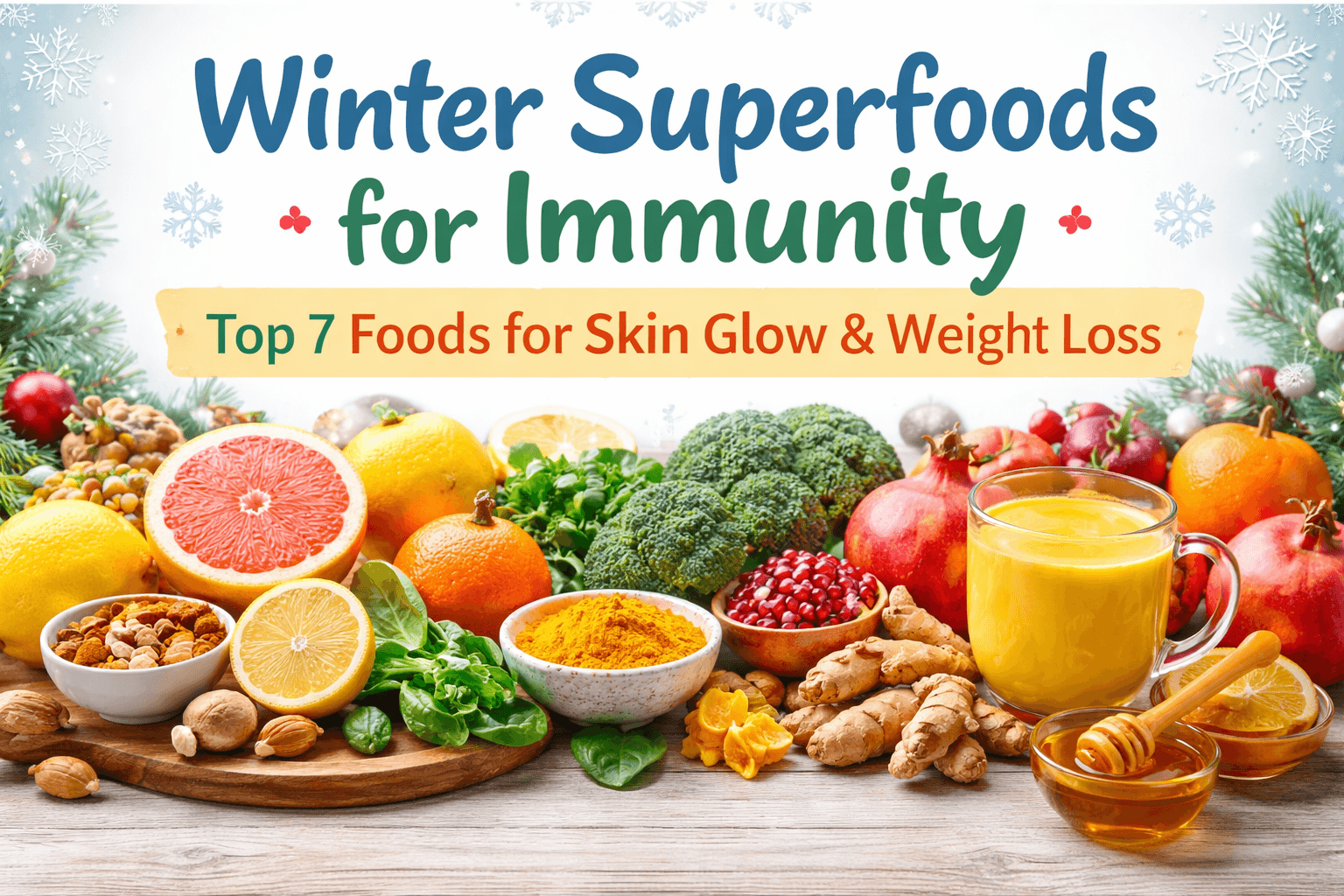
Winter often brings short days, chilly air and a higher risk of colds and flu. Instead of relying solely on supplements, you can nourish your body with nutrient‑dense foods that Mother Nature provides in abundance during the cold season. In this guide, we’ll explore seven Winter Superfoods for Immunity. These Winter Superfoods for Immunity are backed by scientific research, contribute to radiant skin and may support healthy weight loss. From citrus fruits and leafy greens to warming spices like ginger and turmeric, these winter staples prove that good health begins on your plate. By the end of this article you’ll know which Winter Superfoods for Immunity to prioritize for a healthier, more vibrant season.
Why winter superfoods matter
The immune system is your body’s shield against pathogens, and its function depends heavily on what you eat. Vitamins A, C and E, antioxidants and anti‑inflammatory compounds strengthen immune cells, while fiber‑rich foods feed the beneficial gut bacteria that help regulate immune responsesfrontiersin.org. Many winter superfoods are also rich in phytonutrients that reduce oxidative stress and inflammation, both of which can dull skin and lead to weight gain.
Below are seven superfoods to include in your winter diet. Each section explains how the food supports immunity, skin and weight, and provides practical tips for incorporating it into meals.
1. Winter Superfoods for Immunity: Citrus fruits (oranges, lemons & amla)
Bright sources of vitamin C
Citrus fruits like oranges, lemons and the Indian gooseberry (amla) are synonymous with winter. Vitamin C increases the production of white blood cells and shortens the duration of coldstimesofindia.indiatimes.com. A review in Frontiers in Nutrition notes that vitamin C accumulates in neutrophils and enhances microbe killing; supplementation reduces the duration of upper‑respiratory infectionsfrontiersin.org. Amla is particularly potent; it provides up to 600–700 mg of vitamin C per 100 g, far surpassing most citrus fruits.
Skin glow and weight support
Vitamin C is essential for collagen synthesis, which keeps skin firm and glowing. Citrus fruits also supply flavonoids that combat oxidative damage, and their high water and fiber content promotes satiety with minimal calories—making them an excellent snack for weight control.
Tips: Add orange segments to salads, sip warm lemon water with honey, or enjoy an amla chutney. To maximize vitamin C, eat citrus fruits raw or lightly cooked.
2. Winter Superfoods for Immunity: Leafy greens (spinach, methi & kale)
Leafy greens thrive in cool weather and are nutrition powerhouses. Spinach and fenugreek (methi) provide vitamins A and K, folate and irontimesofindia.indiatimes.com. Vitamin A is critical for maintaining mucosal surfaces and a robust immune response; deficiency increases susceptibility to respiratory infectionsfrontiersin.org. Green vegetables are rich in plant compounds that strengthen the gut microbiome and reduce inflammationtimesofindia.indiatimes.com.
Beauty benefits and weight management
Vitamin A and antioxidants like lutein protect skin from UV damage and promote cell turnover. Greens are low in calories but high in fiber, so they fill you up without adding excess energy. Folate aids DNA repair and cell growth, indirectly supporting skin health.
Tips: Add a handful of spinach to soups or dals, sauté methi with garlic, or blend kale into smoothies. Pair greens with a source of healthy fat like nuts or olive oil to improve absorption of fat‑soluble vitamins.
3. Winter Superfoods for Immunity: Root vegetables (carrots, sweet potatoes & beets)
Beta‑carotene for immunity and skin
Carrots, sweet potatoes and beetroots are winter staples. Their orange and deep purple colors come from beta‑carotene and betalain pigments. Beta‑carotene converts to vitamin A, an anti‑inflammatory nutrient essential for mucosal immunity and proper immune cell functionfrontiersin.org. Roasting or steaming these vegetables retains nutrients and enhances their natural sweetnesstimesofindia.indiatimes.com.
Satiety and weight control
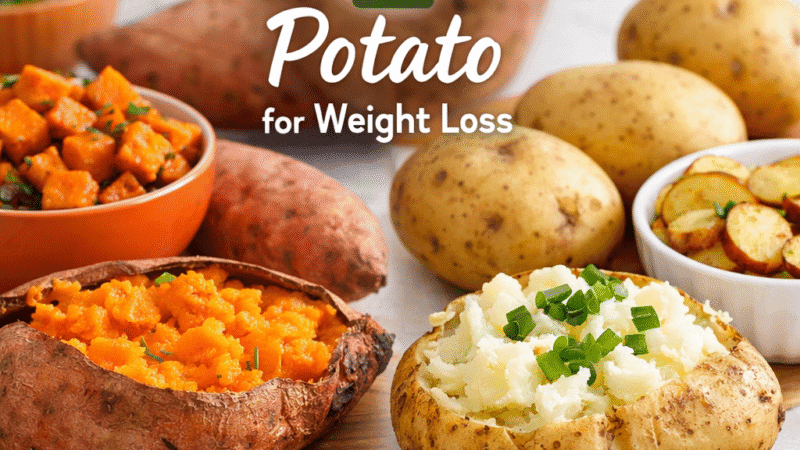
These roots are packed with complex carbohydrates and fiber. Sweet potatoes, for example, provide 6.6 g of fiber per medium potato and are rich in vitamin A and vitamin Cverywellhealth.com. The fiber slows digestion and keeps you full longer, which can reduce overeating and stabilize blood sugarverywellhealth.com. Beets contain nitrates that improve blood flow, which may help nourish your skin.
Tips: Roast carrot sticks with olive oil and herbs, mash sweet potatoes instead of white potatoes, or grate beets into a salad. Their natural sweetness also satisfies sugar cravings.
4. Winter Superfoods for Immunity: Nuts & seeds (almonds, walnuts & flax seeds)
Vitamin E and healthy fats for radiant skin
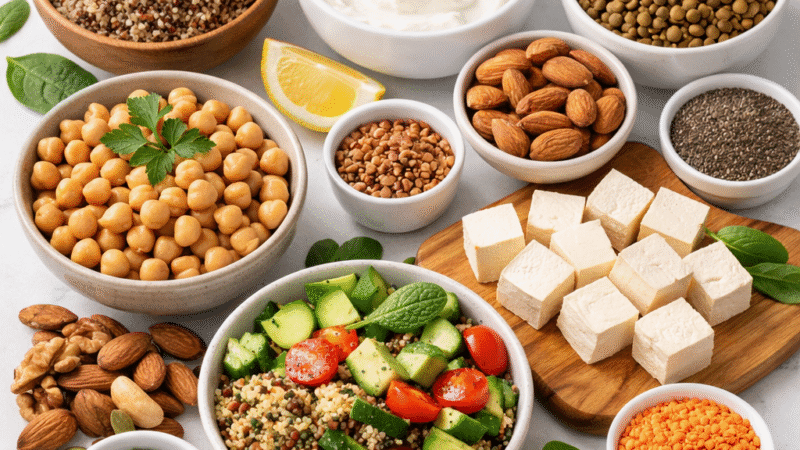
Nuts and seeds provide plant‑based proteins, fiber and healthy fats. Almonds and sunflower seeds are rich in vitamin E, a fat‑soluble antioxidant that protects cell membranes from oxidative damage. The Linus Pauling Institute notes that vitamin E absorbs reactive oxygen species and provides photoprotection and anti‑inflammatory roles in the skinlpi.oregonstate.edu. A diet containing nuts may therefore support a healthy glow.
Immunity and weight benefits
Vitamin E also modulates immune responses and improves T‑cell functiontimesofindia.indiatimes.com. Nuts contain zinc and selenium that aid immune cell development. Although calorie dense, their combination of fiber, protein and monounsaturated fats promotes satiety and helps control body weight when eaten in moderation. Pumpkin seeds and flax seeds provide omega‑3 fatty acids that reduce inflammation and may support metabolism.
Tips: Snack on a small handful of mixed nuts, sprinkle flax seeds on oatmeal or yogurt, or add crushed walnuts to curries. To prevent excessive calorie intake, measure portions rather than eating straight from the jar.
5. Winter Superfoods for Immunity: Healing spices (turmeric, ginger & garlic)
Anti‑inflammatory & antiviral powerhouses
Indian kitchens rely on turmeric, ginger and garlic for flavor and healing. Scientific research confirms their medicinal value. Healthline reports that both gingerol (in ginger) and curcumin (in turmeric) possess anti‑inflammatory and antioxidant properties that can relieve pain, reduce inflammation markers and enhance immune functionhealthline.com. Ginger extract even shows antiviral effects against respiratory viruseshealthline.com.
Garlic contains sulfur compounds like allicin. A 2016 study found that aged garlic extract boosted immunity; people who consumed supplements for three months during cold and flu season had less severe symptoms and missed fewer days of work or schoolhealthline.com. Compounds in garlic may also prevent viruses from entering host cells or replicating inside themhealthline.com. These spices thus act as natural defenses against infections.
Skin and weight benefits
Turmeric’s curcumin reduces oxidative stress, which can slow skin aging, while ginger’s ability to calm the stomach may reduce bloating. Garlic supports cardiovascular health and may lower cholesterolhealthline.com—important for overall well‑being. Some studies suggest these spices can modestly increase metabolism and reduce appetite, aiding weight loss, although more research is needed.
Tips: Simmer a turmeric latte with black pepper (which enhances curcumin absorption), brew ginger tea with lemon, or add raw garlic to chutneys. Start with small amounts if you’re not accustomed to their heat.
6. Winter Superfoods for Immunity: Fermented foods & yogurt
Probiotics for gut‑immunity connection
Your gut microbiome plays a pivotal role in immunity. Harvard’s Feed Your Gut article explains that probiotics and prebiotics (found in yogurt, fermented vegetables and beans) support beneficial bacteria that foster a healthy immune system and reduce inflammationhealth.harvard.edu. The fiber in beans and whole grains acts as a prebiotic; gut microbes break it down into short‑chain fatty acids that maintain gut integrity and modulate immunityhealth.harvard.edu.
Skin and weight advantages
A healthy microbiome is linked with clear skin and reduced acne. Yogurt provides calcium and vitamin D, which strengthen bones and may improve mood during darker months. Fermented foods like kimchi or sauerkraut have few calories but add flavor and beneficial bacteria. By improving digestion and nutrient absorption, they may indirectly assist with weight management.
Tips: Choose plain yogurt with live cultures and add fruit or honey, drink kefir, or include small servings of fermented pickles or idli/dosa batter. Gradually introduce fermented foods to avoid digestive discomfort.
7. Winter Superfoods for Immunity: Whole grains (oats & barley)
Beta‑glucan for immunity and weight loss
Whole grains such as oats and barley are winter staples that provide complex carbohydrates, protein, vitamins and minerals. Oats contain beta‑glucan, a soluble fiber known to slow digestion, increase satiety and suppress appetitenutritionsource.hsph.harvard.edu. Harvard’s Nutrition Source notes that the high water and soluble fiber content of oatmeal makes it particularly filling and useful for weight controlnutritionsource.hsph.harvard.edu. These grains also contain phenolic compounds that act as antioxidantsnutritionsource.hsph.harvard.edu.
Research from the University of Arizona found that beta‑glucan is the type of fiber most effective at reducing body weight and improving glucose homeostasis; it acts through the gut microbiota and metabolites like butyrate and hormones like GLP‑1news.arizona.edu. By feeding beneficial bacteria, oats indirectly support immune function and may help regulate inflammation.
Versatile and skin friendly
Whole grains provide B‑vitamins that aid energy metabolism and skin health. Their low glycemic index helps keep blood sugar levels stable, reducing inflammatory spikes that can harm skin. Barley’s beta‑glucan is also a prebiotic fiber, which complements fermented foods in building a resilient gut.
Tips: Enjoy warm oatmeal topped with nuts and fruits, cook barley risotto as a hearty side dish, or make homemade granola with rolled oats and seeds. Soaking or sprouting grains can improve digestibility and nutrient availability.
Bringing it all together: meal ideas
It’s easy to weave these superfoods into winter meals. Start your day with a bowl of oatmeal topped with citrus slices, nuts and a drizzle of honey. For lunch, prepare a spinach and beet salad tossed with orange segments and toasted walnuts. Add fermented pickles or yogurt on the side. Dinner could feature a turmeric‑spiced lentil stew loaded with carrots, sweet potatoes and kale, served over barley. Sip on ginger tea throughout the day to stay warm. The synergy between these foods offers a spectrum of vitamins, antioxidants, fiber and beneficial microbes.
Frequently asked questions (FAQs)
Q1. Why are winter superfoods important for immunity?
Winter superfoods supply vitamins A, C and E, antioxidants and anti‑inflammatory compounds that strengthen immune cells. Citrus fruits boost white blood cell productiontimesofindia.indiatimes.com, leafy greens supply vitamin A for mucosal healthfrontiersin.org and nuts provide vitamin E to modulate immune responsestimesofindia.indiatimes.com. Consuming these foods regularly helps the body fend off seasonal infections.
Q2. Can these foods really improve my skin?
Yes. Vitamin C in citrus fruits supports collagen synthesis for firm skin, vitamin A in leafy greens and root vegetables promotes cell turnover, and vitamin E in nuts protects against UV damagelpi.oregonstate.edu. Antioxidants in turmeric, ginger and beets reduce oxidative stress, giving skin a healthy glow.
Q3. Are nuts and seeds too high in calories for weight loss?
Nuts and seeds are calorie dense, but they also contain fiber, protein and healthy fats that increase satiety and may reduce overall calorie intake. Eating a small handful (about 30 g) can provide nutrients and help control hunger. When incorporated mindfully into a balanced diet, nuts can support weight management and provide vitamin Etimesofindia.indiatimes.com.
Q4. How does beta‑glucan help with weight loss?
Beta‑glucan is a soluble fiber found in oats and barley. It slows digestion, which helps you feel full longer and can reduce food intakenutritionsource.hsph.harvard.edu. Research has shown that beta‑glucan is particularly effective at reducing body weight and improving glucose homeostasis by influencing the gut microbiota and producing satiety‑related hormones like GLP‑1news.arizona.edu.
Q5. Are fermented foods safe for everyone?
Most fermented foods are safe for healthy adults, but people with compromised immune systems or certain digestive conditions should consult a healthcare provider before adding large amounts. Introduce fermented foods gradually to allow your gut to adjust. Opt for products with live cultures and minimal additives.
Conclusion
Winter doesn’t have to mean dull skin, persistent colds or unwanted weight gain. By incorporating these seven Winter Superfoods for Immunity—citrus fruits, leafy greens, root vegetables, nuts and seeds, healing spices, fermented foods and whole grains—you can nourish your immune system, enhance your skin’s glow and manage your weight naturally. Scientific evidence shows that vitamins A, C and E, antioxidants, fiber and anti‑inflammatory compounds in these foods work synergistically to support overall healthfrontiersin.orghealthline.com. Experiment with recipes, embrace seasonal produce and let the power of nature guide your wellness journey this winter. By choosing Winter Superfoods for Immunity every day, you take a proactive step towards well‑being, energy and resilience