Vitamin D Deficiency – Causes, Symptoms, and Natural Sources
Vitamin D, often called the “sunshine vitamin,” plays a vital role in keeping your bones strong, your immune system active, and your mood balanced. Yet, millions of people around the world suffer silently from Vitamin D deficiency without realizing it.
Let’s explore what Vitamin D does, how deficiency develops, what symptoms to look out for, and the best natural ways to boost your levels.
What Is Vitamin D and Why It Matters
Vitamin D is a fat-soluble vitamin that helps your body absorb calcium and phosphorus — two minerals essential for bone strength and healthy teeth. Unlike most other vitamins, Vitamin D is produced naturally when your skin is exposed to sunlight.
It’s not just about bones. Adequate Vitamin D also supports:
- Immune system function
- Muscle strength and energy levels
- Brain health and mood regulation
- Hormonal balance
When your body doesn’t get enough of this nutrient, it starts to show signs of weakness, fatigue, and poor immunity — all pointing toward Vitamin D deficiency.
Major Causes of Vitamin D Deficiency
You might think that living in a sunny country automatically protects you from this problem, but that’s not always true. Many lifestyle and health factors can reduce your Vitamin D levels.
1. Limited Sun Exposure
People who stay indoors most of the time, use heavy sunscreen, or live in areas with long winters get less sunlight — the primary natural source of Vitamin D.
2. Darker Skin Tone
Melanin, the pigment that gives skin its color, reduces the skin’s ability to produce Vitamin D from sunlight. So, individuals with darker skin need longer sun exposure.
3. Diet Low in Vitamin D
If your diet lacks Vitamin D-rich foods like fatty fish, eggs, or fortified dairy products, your body won’t get enough of it naturally.
4. Obesity
Vitamin D is stored in fat tissues. People with higher body fat may have lower circulating Vitamin D levels because more of it gets trapped in fat cells.
5. Age Factor
As you age, your skin becomes less efficient at producing Vitamin D. Older adults often need supplements or more outdoor activity.
6. Certain Medical Conditions
Digestive disorders like Crohn’s disease or celiac disease can reduce nutrient absorption. Kidney and liver issues may also affect Vitamin D activation.
Common Symptoms of Vitamin D Deficiency
The symptoms can be subtle at first and are often mistaken for general tiredness or aging. However, persistent or multiple signs together indicate a possible deficiency.
1. Frequent Illness or Infections
Vitamin D supports your immune defense. If you catch colds or flu often, your immunity may be weak due to low Vitamin D.
2. Fatigue and Low Energy
Lack of Vitamin D can lead to muscle weakness and tiredness even after adequate sleep.
3. Bone and Back Pain
Vitamin D helps absorb calcium; its shortage can cause dull pain in the lower back, joints, or legs.
4. Mood Swings and Depression
Low Vitamin D levels are linked to seasonal depression and mood instability because this vitamin affects serotonin levels in the brain.
5. Hair Loss
Severe Vitamin D deficiency can lead to hair thinning or conditions like alopecia areata.
6. Slow Wound Healing
If your cuts or bruises take longer to heal, your body might lack enough Vitamin D to trigger proper tissue repair.
7. Muscle Pain
Chronic muscle pain and weakness can sometimes be early warning signs of deficiency.
How Is Vitamin D Deficiency Diagnosed?
The simplest way is a blood test that measures the level of 25-hydroxyvitamin D (25(OH)D).
Here’s how the results are interpreted:
| Vitamin D Level | Status |
|---|---|
| Below 20 ng/mL | Deficient |
| 20–30 ng/mL | Insufficient |
| 30–100 ng/mL | Sufficient |
| Above 100 ng/mL | Excess (Toxic) |
Always consult a doctor before taking supplements, as excessive Vitamin D can cause toxicity and affect calcium levels.
Natural Sources of Vitamin D
The good news? You can restore healthy levels naturally through sunlight, food, and a few lifestyle changes.
1. Sunlight Exposure
- The best time: Morning between 8 AM and 10 AM
- Duration: 15–20 minutes daily without sunscreen (hands, arms, and face exposed)
- Tip: Avoid harsh afternoon sun to prevent skin damage
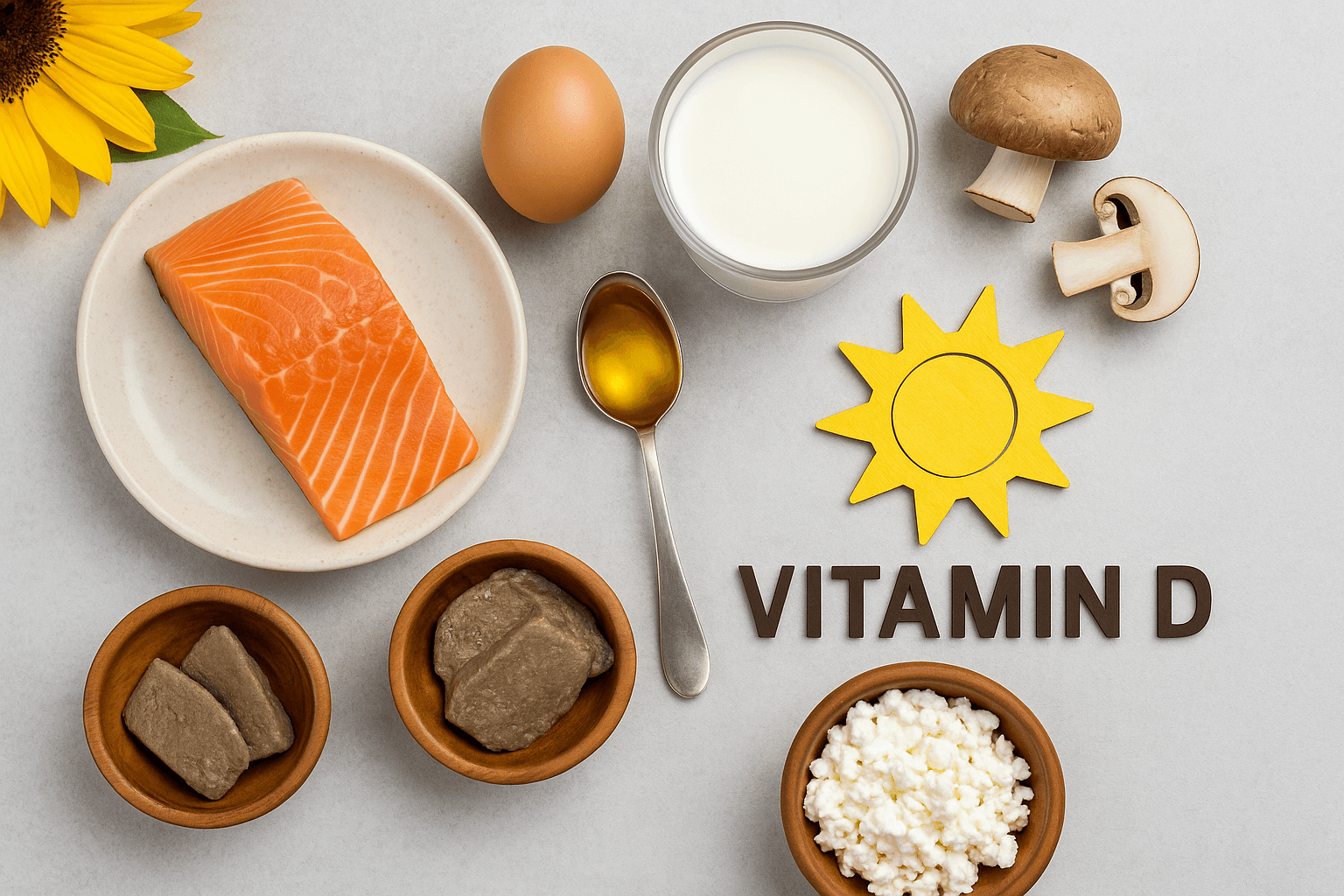
2. Fatty Fish
Salmon, mackerel, tuna, and sardines are rich in Vitamin D. One serving of salmon can provide up to 70% of your daily requirement.
3. Egg Yolks
Include one or two eggs in your breakfast. The yolk is a natural source of Vitamin D and good fats.
4. Fortified Milk and Dairy Products
Many milk brands fortify their products with Vitamin D. Always check labels for “fortified with Vitamin D.”
5. Mushrooms
Especially those exposed to UV light — they contain a plant-based form of Vitamin D known as D2.
6. Cod Liver Oil
One of the most concentrated natural sources. Just a teaspoon can fulfill your daily Vitamin D needs.
7. Fortified Plant-Based Milks
For vegans, fortified almond milk, soy milk, and oat milk are excellent choices.
Recommended Daily Intake of Vitamin D
| Age Group | Recommended Daily Intake |
|---|---|
| Infants (0–12 months) | 400 IU |
| Children (1–18 years) | 600 IU |
| Adults (19–70 years) | 600–800 IU |
| Older Adults (70+ years) | 800–1000 IU |
| Pregnant & Lactating Women | 600–800 IU |
(IU = International Units)
If you can’t meet this through diet and sunlight alone, your doctor might prescribe supplements.
Vitamin D Supplements – When Are They Needed?
Supplements come in two forms: Vitamin D2 (ergocalciferol) and Vitamin D3 (cholecalciferol).
D3 is more effective in raising and maintaining blood levels.
You may need supplements if:
- You live in a cold region with limited sunlight
- You work night shifts or stay mostly indoors
- You follow a vegan diet
- You have chronic fatigue or weak bones
Always take supplements with meals containing fats to enhance absorption.
How to Prevent Vitamin D Deficiency Naturally
- Get regular sunlight exposure – short daily sessions are more effective than occasional long ones.
- Eat a balanced diet – include fish, eggs, and fortified foods.
- Maintain a healthy weight – excess fat can lower available Vitamin D.
- Check your levels annually – especially after age 30.
- Exercise outdoors – yoga, walking, or gardening helps you soak up sunlight naturally.
Why Vitamin D Is Crucial for Women and Children
Women, especially after 30, need more Vitamin D to prevent osteoporosis and hormonal imbalance.
Children need it for bone growth and to prevent rickets — a condition causing soft and weak bones.
Pregnant women should monitor their Vitamin D levels regularly to support fetal bone and immune development.
Side Effects of Too Much Vitamin D
While deficiency is common, excessive intake (mostly from supplements) can be harmful.
Symptoms of overdose include:
- Nausea and vomiting
- Loss of appetite
- Frequent urination
- High calcium levels leading to kidney stones
Stick to recommended doses unless advised by your healthcare provider.
Quick Summary
| Category | Key Points |
|---|---|
| Main Function | Helps absorb calcium for bones and immunity |
| Deficiency Causes | Lack of sunlight, poor diet, darker skin, obesity |
| Symptoms | Fatigue, weak bones, mood changes, muscle pain |
| Best Sources | Sunlight, fatty fish, eggs, mushrooms, fortified milk |
| Prevention | Regular sunlight, balanced diet, healthy weight |
Conclusion
Vitamin D deficiency is more common than you think — and yet it’s one of the easiest to correct.
A few minutes in the sun, a mindful diet, and regular check-ups can make a big difference. Remember, this “sunshine vitamin” doesn’t just build bones — it builds your overall vitality and mental wellness too.
Take charge of your health today. Step outside, feel the sunlight, and let your body recharge naturally.
Frequently Asked Questions (FAQ)
1. How long does it take to recover from Vitamin D deficiency?
Usually, 2–3 months of consistent sunlight exposure, diet improvement, or supplements can bring levels back to normal — depending on the severity.
2. Can Vitamin D deficiency cause weight gain?
Indirectly, yes. Low Vitamin D may affect metabolism and energy levels, making it harder to stay active.
3. Is early morning sunlight better?
Yes, early morning sun (before 10 AM) provides enough UVB rays for Vitamin D production without damaging your skin.
4. Can I get Vitamin D from vegetarian food?
Yes, through mushrooms, fortified dairy or plant-based milks, and supplements if needed.
5. What happens if I ignore Vitamin D deficiency?
Long-term deficiency can lead to weak bones, frequent infections, low mood, and in severe cases, osteoporosis.