Vata Dosha: Is It the Root Cause of Joint Pain, Gas & Restlessness?
Joint stiffness when you wake up, uncomfortable gas and bloating after meals, and a mind that can’t seem to sit still—sound familiar? Many people in the U.S. search for answers to these nagging issues. While conventional medicine often treats them as separate problems, Ayurveda—India’s ancient system of holistic healing—views them through the lens of doshas. In Ayurvedic theory, Vata dosha governs movement and is responsible for everything from nerve impulses to intestinal peristalsis. When Vata becomes aggravated, it can manifest as joint pain, gas and restlessness, a constellation of symptoms that modern lifestyles often exacerbate. This article uses the keyphrase “Vata Dosha Joint Pain” naturally as we explore why balancing Vata matters and how you can do it through diet, lifestyle and gentle herbal support.
Understanding Vata Dosha and Joint Pain
Ayurveda classifies constitution and physiological functions into three primary energies—Vata, Pitta and Kapha. Vata consists of the elements air and ether; it is dry, light, cold and always moving. As Ask Ayurveda explains, Vata governs breathing, circulation, elimination and even thought processes. Balanced Vata promotes creativity, alertness and lightness of body. Yet, when out of balance, it produces dryness and irregularity leading to symptoms such as gas, bloating, constipation, cracking joints and an anxious mind.
Vata is especially sensitive to cold, dry, irregular routines and overstimulation. Busy work schedules, late-night screen time and skipping meals—common habits in the U.S.—all aggravate Vata. Because Vata is the “master controller” of movement, its imbalance can disturb other doshas too, so calming Vata is often the first step in Ayurvedic treatment.
Vata’s Subtle Qualities in Joint Pain, Gas & Restlessness
To understand how Vata creates joint pain, gas and restlessness, note its basic qualities:
- Dry & Light: Vata has a drying effect. It can deplete fluids in joints and the digestive tract, causing cracking, crepitus and constipation.
- Cold: Excess Vata makes the body cold. Cold weather, icy beverages and raw foods increase Vata and may worsen joint stiffness and sluggish digestion.
- Irregular & Mobile: Vata moves quickly and unpredictably. It governs the nervous system, making the mind prone to racing thoughts and sleep disturbances. When irregular, Vata manifests as migratory pain that shifts from one joint to another.
How Vata Imbalance Causes Joint Pain, Gas & Restlessness
Joint Pain, Degenerative Disorders & Vata Imbalance
According to Oneworld Ayurveda, joint pain in Ayurveda is called Sandhi Vata (joint Vata). It is primarily driven by a Vata imbalance that “causes dryness, cracking sounds, tissue degeneration and pain that often migrates between joints”. Pain worsens with movement and improves with rest. An Ayurvedic case report also notes that “too much dryness, cracking and joint stiffness are signs of Vata imbalance and often lead to degenerative arthritis”. Without adequate lubrication (Shleshaka Kapha), Vata dries out the synovial fluid, causing crepitus and degeneration.
Gas, Bloating & Digestive Upset from Vata Dosha
Vata controls peristalsis and elimination. When aggravated, it produces erratic gas and bloating. The J‑AMADA blog explains that Vata gas is irregular: it may come and go without clear triggers and can shift around the abdomen. Other Vata symptoms include constipation, dry skin and restlessness. Triggers include cold drinks, raw vegetables and beans. Remedy suggestions emphasize warm, cooked foods with ghee and warming spices like ginger, cumin, fennel and ajwain to improve digestion and relieve gas.
Restlessness, Anxiety & Poor Sleep due to Vata Dosha Imbalance
Vata governs the nervous system, so an imbalance often presents as anxiety, jitteriness and insomnia. Ask Ayurveda notes that Vata people experience dry skin, gas and bloating but also insomnia, anxiety and restlessness. The Kerala Ayurveda guide adds that mental symptoms include anxiety, nervousness, forgetfulness and a constant feeling of restlessness, along with light and interrupted sleep. These symptoms arise because Vata’s irregular nature disturbs the mind and sleep cycles.
Modern research provides additional insights. A 2015 study by the Patanjali Research Foundation found that higher Vata scores predicted a longer time to fall asleep and a lower feeling of being rested in the morning. In contrast, Kapha (earth-water) was associated with daytime sleepiness. The study supports Ayurvedic texts that link Vata with insomnia and poor sleep quality.
Why Modern Lifestyle Aggravates Vata Dosha & Joint Pain Symptoms
Many habits in contemporary American life aggravate Vata:
- Irregular routines: Skipping meals, working late or traveling frequently disrupts daily rhythm. Ayurveda emphasizes that Vata thrives on routine.
- Cold & dry foods: Salads, smoothies and iced drinks—popular in modern diets—are cold and dry, which increases Vata.
- Excess stimulation: News, multitasking, social media and constant noise overstimulate the nervous system and Vata.
- Stress & Overwork: High stress without grounding practices leads to restlessness and insomnia.
Recognizing these factors allows you to take steps to calm Vata and prevent its symptoms.
Ayurvedic Solutions for Vata Dosha & Joint Pain Relief
Balancing Vata involves adding the qualities opposite to dry, cold and erratic: warmth, moisture, stability and regularity. The following strategies combine classical Ayurvedic guidelines with practical tips for U.S. lifestyles.
Dietary Guidelines for Vata Dosha Joint Pain Relief
A Vata‑pacifying diet centers on warm, cooked, nourishing foods eaten at regular times. Ask Ayurveda recommends:
- Warm, cooked grains like rice, oats and quinoa.
- Root vegetables such as sweet potatoes, carrots and beets, roasted or stewed.
- Healthy fats including ghee, sesame oil or coconut oil to lubricate tissues.
- Warming spices like ginger, cumin, cinnamon and cardamom, which improve digestion and relieve gas.
- Dairy (if tolerated)—warm milk with nutmeg or turmeric at night can calm Vata.
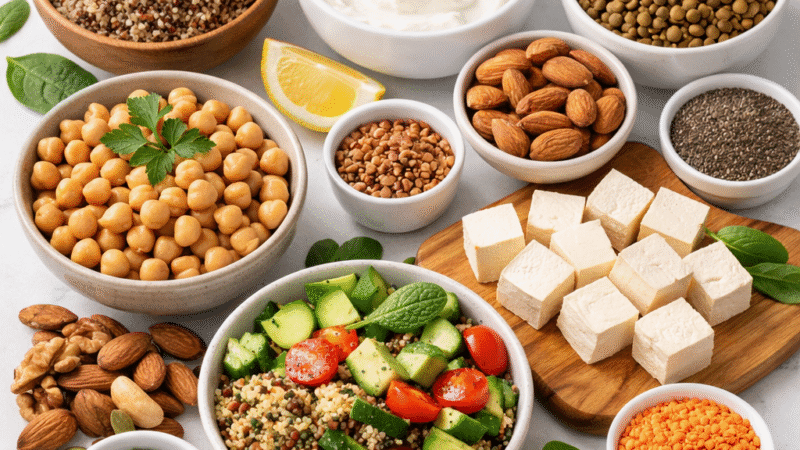
The Kerala Ayurveda guide similarly suggests proteins (eggs, milk, tofu), nuts and seeds, green vegetables, fruits like dates and avocados, legumes and whole grains to restore Vata. Warm soups, stews and porridge deliver moisture and grounding energy, while including herbs like ginger, cardamom, turmeric and ashwagandha adds anti‑inflammatory and nervous‑system‑calming benefits.
Vata Dosha Foods to Limit for Joint Pain & Gas
Avoiding certain foods helps reduce Vata aggravation:
- Cold/raw foods such as salads, smoothies and ice cream.
- Dry snacks like popcorn, crackers and chips.
- Excess beans without proper seasoning or ghee.
- Caffeine and stimulants (coffee, energy drinks), which can overstimulate the nervous system.
- Fermented foods like kombucha or sauerkraut, which may cause gas for sensitive Vata guts.
Lifestyle Practices for Vata Dosha & Joint Pain Relief
- Establish a routine: Eating, sleeping and exercising at the same times each day creates stability for Vata. Aim for meals around 7–8 am, noon and 6 pm, and a bedtime around 10 pm.
- Sleep hygiene: Maintain a consistent bedtime and develop a relaxing evening ritual—think warm baths, gentle stretching or breathwork. Ayurveda teaches that a light and interrupted sleep is a hallmark of Vata imbalance; routine can help.
- Oil massage (Abhyanga): Massaging the body with warm sesame or almond oil before bathing nourishes the skin and calms the nervous system. Kerala Ayurveda advises abhyanga at least several times per week; it improves circulation, digestion, sleep and reduces anxiety.
- Moderate exercise: Gentle yoga, walking, swimming or tai chi keep Vata moving without overstressing the joints. Oneworld Ayurveda recommends joint mobility exercises, pranayama and regular walking for joint health.
- Meditation & Breathwork: Meditation focuses the mind and counters Vata’s scattered tendencies. Kerala Ayurveda notes that meditation improves concentration and reduces restlessness. Deep breathing exercises (pranayama) gently pacify the nervous system.
Herbal Remedies & Spices for Vata Dosha Joint Pain and Gas
Ayurvedic herbs add warmth, lubrication and grounding—exactly what Vata needs.
- Ginger (Zingiber officinale): Regular consumption reduces joint pain and improves muscle strength. Ginger tea or adding fresh ginger to meals helps digestion.
- Cardamom (Elettaria cardamomum): This super spice aids digestion and reduces bloating and gas.
- Turmeric (Curcuma longa): Curcumin provides anti‑inflammatory and antioxidant effects. Turmeric improves circulation and pacifies Vata. Golden milk (turmeric with warm milk or plant milk) is a soothing bedtime drink.
- Ashwagandha (Withania somnifera): An adaptogenic herb known to reduce cortisol, alleviate anxiety and treat insomnia. It is typically taken as powder in warm milk or in formulations like chyawanprash.
- Brahmi (Bacopa monnieri): This herb relaxes the nervous system, balances emotions and improves sleep.
Other digestive spices such as cumin, fennel and ajwain relieve gas and support Agni (digestive fire). Always consult a qualified practitioner before starting new herbs, especially if you take medications.
Gentle Detox & Therapies for Vata Joint Pain & Restlessness
Under professional supervision, Ayurvedic therapies help remove accumulated toxins (Ama) and reduce Vata in the joints:
- Snehana (Oleation) and Swedana (Sweating): Oil consumption and therapeutic sweating prepare the body for deeper detoxification, lubricate tissues and encourage the elimination of toxins. While the OB News article mentions sesame oil consumption and sweating practices, these therapies are ideally administered by an Ayurvedic doctor.
- Basti (Medicated Enema): Considered a prime therapy for Vata disorders, basti introduces medicated oils or decoctions into the colon to eliminate excess Vata. It should only be done under expert supervision.
- Panchakarma: A comprehensive detox program including Snehana, Swedana and basti; it is often recommended for chronic joint disorders.
When to Seek Professional Guidance for Joint Pain & Vata Imbalance
Ayurvedic remedies can provide significant relief, but they are most effective when customized. Everyone has a unique constitution (prakriti), and two people with “Vata issues” may require different approaches. If you experience chronic joint pain, persistent digestive issues or severe anxiety, consult an experienced Ayurvedic practitioner or integrative physician. Conditions like rheumatoid arthritis or inflammatory bowel disease require individualized treatment and sometimes conventional medical care.
Conclusion: Managing Vata Dosha & Joint Pain
Vata dosha plays a pivotal role in how our bodies move, digest and rest. When it becomes excessive, it can dry out the joints, create irregular gas, and leave us feeling restless and sleepless. Fortunately, Ayurveda offers a treasure trove of practical solutions—nourishing diets, consistent routines, warm oil massages, mindful herbs and calming practices—that bring Vata back into balance. By embracing these principles, you can transform discomfort into ease, bridging ancient wisdom with modern life. Remember, your journey toward balance is personal; start with small changes and notice how your body responds.
FAQ about Vata Dosha, Joint Pain & Gas
What are typical signs of a Vata imbalance?
Common signs include dry skin and hair, gas, bloating, constipation, cracking or popping joints, feeling cold, insomnia, anxious or restless thoughts and difficulty focusing. Because Vata is irregular, symptoms may come and go.
How does Vata cause joint pain?
Vata’s dry and cold qualities deplete the lubricating fluids (synovial fluid) in joints. An Ayurvedic case report notes that excess dryness and joint stiffness are signs of Vata imbalance and often lead to degenerative arthritis. The pain may migrate from one joint to another and often worsens with movement.
Can dietary changes really improve gas and bloating?
Yes. Vata controls peristalsis and responds well to warm, cooked foods eaten at regular times. Warm grains, root vegetables, ghee and digestive spices such as ginger, cumin and fennel help relieve gas. Avoid cold salads, dry snacks and excess beans, which can aggravate gas.
Is ghee suitable for vegans or people with dairy intolerance?
Ghee is clarified butter and is considered dairy; it may not be suitable for vegans or those with dairy allergies. Vegan alternatives that provide similar grounding qualities include coconut oil or almond oil. These oils deliver warmth and lubrication without dairy.
Does Vata dosha cause anxiety and insomnia?
Vata governs the nervous system. When aggravated, it produces anxiety, restlessness and insomnia. A cross‑sectional study found that higher Vata scores predicted a longer time to fall asleep and a lower feeling of being rested in the morning. Lifestyle practices such as regular routines, warm evening rituals and meditation can help calm Vata and improve sleep.
Is Vata dosha the root cause of all joint pain?
Not always. Ayurveda recognizes that joint pain may stem from Vata, Pitta or Kapha imbalances. Vata causes dryness and degenerative pain, Pitta manifests with hot inflammation and swelling, and Kapha leads to heaviness and edema. Understanding your constitution and triggers is essential; an Ayurvedic practitioner can help identify the dominant dosha involved.