8 Protein Powerhouses for Healthy Hair Growth (Science‑Backed Guide)
Hair isn’t just dead fiber; it’s a living, growing tissue that depends heavily on the nutrients you eat—especially protein for hair growth. Each hair strand is primarily made of keratin, a structural protein produced by keratinocytes. During hair formation, stem cells differentiate into keratinocytes that flatten, fill with keratin, and eventually die, forming the visible hair shaft. When your diet lacks enough protein for hair growth, the body prioritizes vital organs over hair, reducing the amino acids needed to build keratin. This is why nutrition experts emphasize that dietary protein is critical for producing strong, healthy hair. A protein deficiency can lead to weak, brittle strands, excessive hair fall, temporary shedding (telogen effluvium), and noticeable thinning.
How Much Protein for Hair Growth Do You Need?
The U.S. Dietary Guidelines recommend about 0.8 g of protein per kilogram of body weight for adults (roughly 0.36 g per pound), though active people may need more. While most Americans meet their protein requirements, busy lifestyles and processed diets can lower intake. Signs of inadequate protein include brittle hair and nails, fatigue, and slowed hair growth. For optimal hair health, aim for a balanced intake of high‑quality protein sources.
8 Protein Powerhouses for Hair Growth
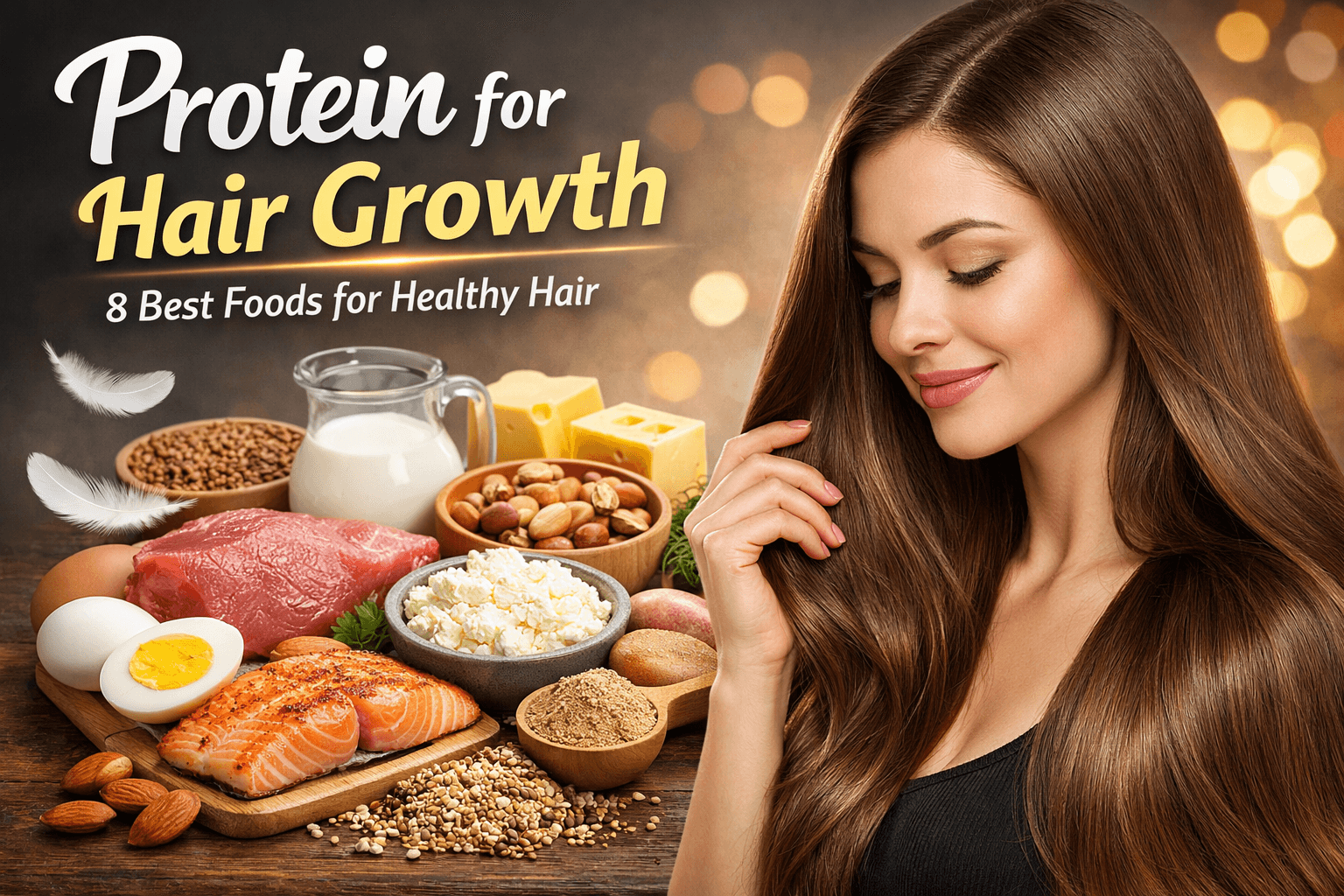
Below are eight foods that deliver high‑quality protein along with vitamins and minerals that support protein for hair growth. Include these in your weekly meals to nourish hair from within.
1. Eggs – Protein for Hair Growth & Biotin
Eggs are nature’s perfect protein. They provide complete protein with all essential amino acids plus biotin, a B‑vitamin used to produce keratin. In Healthline’s evidence‑based list of hair‑growth foods, eggs are highlighted for providing protein and biotin; eating enough protein supports hair growth because hair follicles are mostly made of protein. Biotin is essential for keratin production and may improve hair growth in people with a biotin deficiency. Eggs also supply zinc, selenium and other nutrients that support scalp health.
How to use: Enjoy hard‑boiled eggs with breakfast, add them to salads, or scramble them into veggies. Aim for one to two eggs per day depending on your dietary needs.
2. Greek Yogurt – Protein for Hair Growth, B‑5 & Probiotics
Plain Greek yogurt contains almost twice as much protein as regular yogurt. WebMD notes that Greek yogurt is “packed with protein, the building block of your locks” and also contains vitamin B₅ (pantothenic acid), which helps blood flow to the scalp and may prevent hair thinning. Greek yogurt is a fermented food, so it may contain probiotics that support gut health, which is linked to nutrient absorption and hair growth. Health.com notes that Greek yogurt also provides selenium and vitamin B₁₂; selenium protects hair follicles from oxidative damage and B₁₂ deficiency can lead to hair loss.
How to use: Mix Greek yogurt with fruit and nuts, blend it into smoothies, or swap it for sour cream in recipes.
3. Salmon – Protein & Omega‑3 for Hair Growth
Fatty fish like salmon provide high‑quality protein along with omega‑3 fatty acids. WebMD explains that fish such as salmon and mackerel supply healthy omega‑3s; your body needs these fats to grow hair and keep it shiny. Healthline adds that salmon provides protein, selenium, vitamin D3 and B‑vitamins. Omega‑3s have anti‑inflammatory effects that may reduce scalp inflammation and improve hair density.
How to use: Grill or bake salmon fillets twice a week. If fresh salmon is expensive, canned salmon or sardines still provide protein and omega‑3s.
4. Lentils – Plant Protein & Iron for Hair Growth
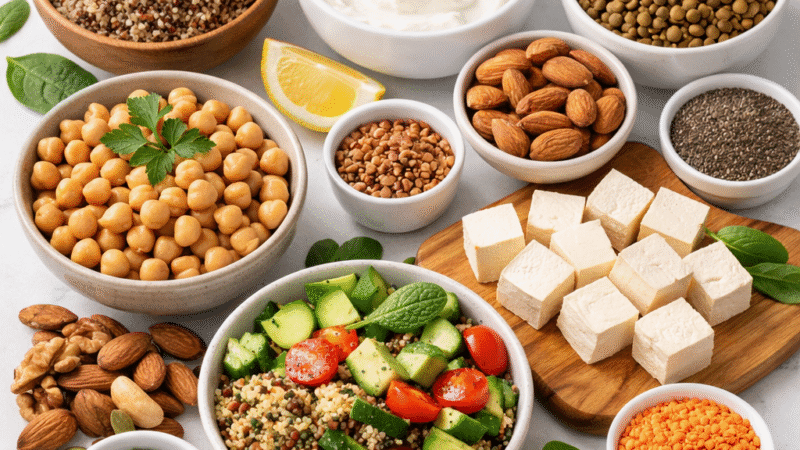
Lentils are an excellent plant‑based protein source. Health.com notes that one cup of cooked lentils provides about 17.9 grams of protein. Low protein intake can slow hair growth, making lentils a great choice for vegetarians. Lentils are rich in amino acids such as leucine, isoleucine, lysine and valine, which support hair growth. They also provide iron and folate; iron helps red blood cells deliver oxygen to hair follicles, and deficiency can cause hair thinning.
How to use: Add lentils to soups, stews or grain bowls. They cook quickly and can replace meat in tacos or curries.
5. Lean Poultry – Muscle-Building
Protein from lean meats fuels the growth and repair of hair follicles. WebMD’s hair‑healthy food list advises choosing lean poultry (chicken or turkey) because when you don’t get enough protein, hair growth “rests”—older hairs fall out and hair loss occurs. Lean poultry provides high‑quality protein with less saturated fat than red meat.
How to use: Opt for baked or grilled chicken breast or turkey as the centerpiece of meals. Use shredded chicken in salads or stir‑fries.
6. Cottage Cheese – Slow-Digesting
Cottage cheese is rich in casein protein, a slow‑digesting dairy protein. Real Simple’s nutrition article reports that a cup of cottage cheese provides more than 46 % of the recommended daily value of protein. Casein supplies all the amino acids needed to build muscle and other tissues, including hair, skin and nails. Protein helps maintain satiety and balances blood sugar, and the article notes that cottage cheese’s casein digests slowly to provide lasting energy. Cottage cheese also contains calcium, phosphorus, B‑vitamins and probiotics, supporting bone health, metabolism and gut health.
How to use: Eat cottage cheese plain with fruit, mix it into dips, or use it as a creamy topping for baked potatoes or pancakes.
7. Nuts & Seeds – Protein, Healthy Fats & Minerals for Hair Growth
Nuts like almonds and walnuts and seeds like sunflower, chia and flax deliver plant protein plus vitamins and minerals. Healthline notes that nuts provide vitamin E, a potent antioxidant; an ounce of almonds supplies 48 % of the daily vitamin E needs. Nuts also supply B‑vitamins, zinc and essential fatty acids, and deficiencies in these nutrients may contribute to hair loss. Seeds are concentrated sources of vitamin E, zinc and selenium, and some seeds like flax and chia provide plant omega‑3s.
How to use: Keep a small container of mixed nuts and seeds for snacks, sprinkle chia or pumpkin seeds on oatmeal or salads, or blend flaxseed into smoothies.
8. Beans – Affordable Plant Protein for Hair Growth
Beans are inexpensive yet nutrient‑dense. Healthline points out that beans are a great plant‑based source of protein, which is essential for hair growth. Like oysters, beans provide zinc that helps regulate the hair growth and repair cycle. A 3.5‑ounce serving of black beans provides about 14 % of a woman’s daily zinc needs. Beans also supply iron, biotin and folate—nutrients critical for hair follicle health.
How to use: Include beans in chili, salads or burritos. Combine beans with rice to create a complete amino‑acid profile.
How to Incorporate Protein Foods for Hair Growth
Eating for healthy hair doesn’t mean overloading on a single food. Variety ensures you get a broad spectrum of amino acids, vitamins and minerals. Here are some tips:
- Balance animal and plant proteins. Mix lean meats, fish, dairy and eggs with legumes, nuts and seeds to diversify your nutrient intake.
- Pair proteins with vitamin‑rich produce. Vitamins A, C, D, E and B‑complex, along with minerals like iron and zinc, all play roles in hair growth. For example, pair salmon with spinach or lentils with bell peppers.
- Avoid crash diets. Sudden calorie restriction can push hair into the resting (telogen) phase, causing shedding. Consistency matters more than quick fixes.
- Stay hydrated and manage stress. Dehydration and chronic stress can impact scalp health. Include stress‑reducing practices and drink plenty of water.
FAQs
1. Can I get enough protein for hair growth from a vegetarian diet?
Yes. Plant foods like lentils, beans, nuts, seeds, tofu and whole grains can provide all the essential amino acids when combined. Lentils alone offer 17.9 g of protein per cup, and beans supply protein plus zinc and biotin. Pairing complementary proteins (e.g., rice and beans) ensures a complete amino‑acid profile.
2. How long does it take to see results from dietary changes?
Hair grows in cycles, so improvements aren’t immediate. It can take 8–12 weeks of consistent nutrition to notice reduced shedding, stronger strands and new growth. Protein deficiency–related hair loss (telogen effluvium) is usually temporary and reversible once you correct the deficiency.
3. Is there such a thing as too much protein for hair growth?
Excessive protein intake does not speed up hair growth and may strain the kidneys. Most adults need only 0.8–1.2 g/kg of body weight. Focus on quality and variety rather than megadoses; very high‑protein diets are unnecessary for hair health.
4. What other nutrients support hair growth?
Besides protein, vitamins A, C, D and E, B‑vitamins (including biotin and B₅), zinc, iron, selenium and omega‑3 fatty acids all play roles in maintaining hair follicles. A balanced diet with fruits, vegetables, whole grains and healthy fats will provide these nutrients.
Conclusion
Healthy, vibrant hair starts from within. Because hair is formed from keratin, protein is the foundation for hair growth. When your diet supplies enough high‑quality protein, along with supportive vitamins and minerals, your body can produce strong hair fibers and keep follicles in the growth phase.
Incorporate the eight protein powerhouses above into your meals—eggs, Greek yogurt, salmon, lentils, lean poultry, cottage cheese, nuts & seeds and beans. These foods provide the essential amino acids and micronutrients your scalp needs to nurture new strands. Combined with overall healthy habits and patience, your consistent focus on protein for hair growth can lead to thicker, shinier and more resilient hair.