8 Protein‑Rich Vegetarian Foods for Muscle Gain
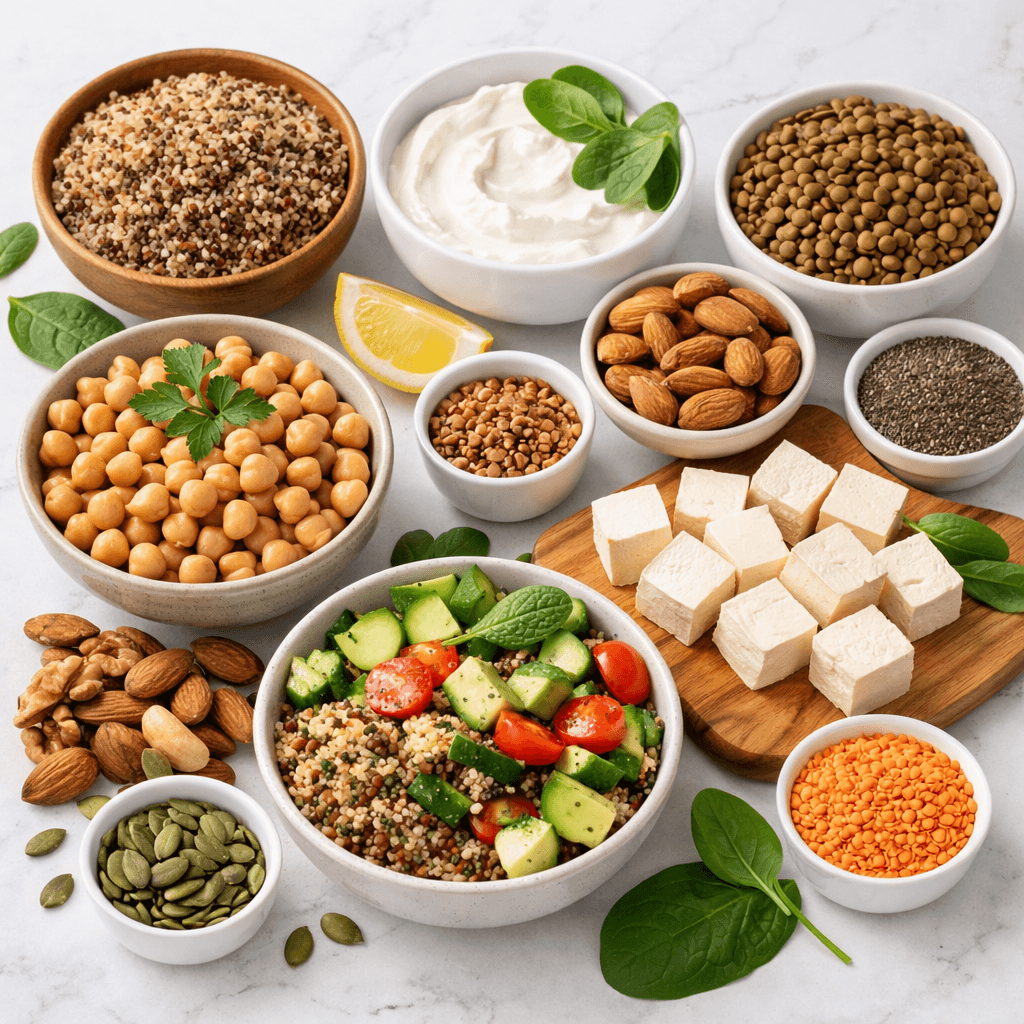
Building muscle on a vegetarian diet isn’t just possible—it’s delicious and sustainable. While many still believe you need steak or chicken to gain lean mass, research shows that plant‑based and dairy proteins can provide all the essential amino acids your muscles need for repair and growth. The key is choosing protein‑rich vegetarian foods for muscle gain and combining them intelligently across meals. Below you’ll find eight of the best sources, plus practical tips on how to incorporate them into your training plan.
Quick reference: Protein‑rich vegetarian foods for muscle gain
Below is a snapshot of the top protein‑rich foods covered in this article. Notice how many of them are complete proteins (containing all nine essential amino acids) and how pairing legumes with grains yields complementary amino‑acid profiles.
| Food | Protein per serving | Key benefits & notes |
|---|---|---|
| Greek yogurt | ~20 g protein per 7‑oz container | Complete protein, rich in calcium and probiotics; thicker texture boosts satiety |
| Cottage cheese | 11 g protein per 100 g (½ cup) | Casein‑rich complete protein, slowly digested for sustained amino acid release |
| Lentils | 18 g protein per cooked cup | High fiber; rich in folate, iron and other micronutrients |
| Chickpeas | ~15 g protein per cooked cup | Complex carbs + protein; good source of iron and minerals |
| Quinoa | 8–9 g protein per cooked cup | Complete protein; rich in magnesium, manganese and fiber |
| Tofu, tempeh & edamame | Firm tofu ~10 g per ½ cup; edamame 8.5 g per ½ cup; tempeh 15 g per ½ cup | Soy products are complete proteins; contain calcium and iron |
| Seitan (wheat meat) | 25 g protein per 100 g | Wheat‑gluten protein; versatile and high in protein but incomplete unless paired with lysine‑rich foods |
| Seeds & nuts | Hemp seeds: 7 g per 2 tbsp; chia seeds: 5 g per 2 tbsp; peanuts: 9 g per ¼ cup | Provide healthy fats, fiber and minerals; some seeds (hemp, chia) are complete proteins |
1. Greek Yogurt for Muscle Gain: Protein‑Rich Dairy Powerhouse
Greek yogurt is much more than a tangy breakfast. During the straining process, liquid whey is removed, leaving a denser, protein‑packed product. According to dietitian Kelly Jones, Greek yogurt contains roughly 2.5 g of protein per ounce, compared with about 1.5 g per ounce in regular yogurt. A seven‑ounce container of plain, low‑fat Greek yogurt delivers about 20 g of protein—an amount comparable to a small chicken breast.
Why This Protein‑Rich Food Supports Muscle Gain
- Complete protein: Greek yogurt supplies all essential amino acids, supporting muscle repair and growth.
- Calcium and probiotics: A single container provides about 230 mg of calcium, helping with muscle contractions and bone health, and its probiotics support gut health and digestion.
- Satiety: The thick texture concentrates protein and fat, promoting fullness and regulating appetite.
How to Use This Protein‑Rich Food in Your Muscle Gain Diet
- Post‑workout snack: Combine Greek yogurt with berries and a drizzle of honey for a balanced recovery.
- Savory dips and dressings: Use it in place of mayonnaise for a protein‑boosted dip or salad dressing.
- Breakfast base: Layer yogurt with granola and fruit for a convenient morning meal.
2. Cottage Cheese for Muscle Gain: Slow‑Digesting Casein
Cottage cheese’s resurgence isn’t just a trend—it’s a practical tool for athletes. Just under a half‑cup (100 g) of low‑fat cottage cheese contains 11 g of protein, making it one of the most protein‑dense dairy products. Most of this protein is casein, which digests slowly.
Why This Protein‑Rich Food Supports Muscle Gain
- Casein‑rich: Casein digests more slowly than whey or plant proteins, providing a steady stream of amino acids during overnight recovery.
- Low in calories: With only ~84 calories per serving, cottage cheese delivers protein without excessive calories.
- Supports bone and metabolic health: It supplies calcium, phosphorus, potassium and vitamin B12; research suggests high‑protein diets promote satiety and healthy weight management.
How to Use This Protein‑Rich Food in Your Muscle Gain Diet
- Before bed: A bowl of cottage cheese with sliced fruit makes a perfect nighttime snack because its slow release of amino acids supports overnight muscle repair.
- Smoothies and batter: Blend cottage cheese into smoothies or pancake batter for added creaminess and protein.
- Savory bowls: Top whole‑grain toast with cottage cheese, avocado and tomatoes for a balanced breakfast.
3. Lentils for Muscle Gain: Fiber‑Rich Plant Protein
Lentils (brown, green or red) are a vegetarian’s secret weapon. One cooked cup (198 g) provides about 18 g of protein and over half of your daily fiber. They also supply folate, manganese, iron and antioxidants.
Why These Protein‑Rich Foods Support Muscle Gain
- Protein and complex carbs: The protein in lentils helps repair muscle tissue, while their slow‑digesting carbohydrates fuel workouts and replenish glycogen.
- Gut‑friendly fiber: The soluble fiber in lentils feeds beneficial gut bacteria, supporting nutrient absorption and immune health.
- Micronutrient powerhouse: Lentils deliver folate, iron and manganese, which support red blood cell production and energy metabolism.
How to Use These Protein‑Rich Foods in Your Muscle Gain Diet
- Soups and stews: Add lentils to curries or chilies for extra thickness and protein.
- Salads and wraps: Toss cooked lentils with fresh vegetables, herbs and lemon for a hearty salad.
- Protein pairing: Because lentils are incomplete proteins (lacking certain amino acids), pair them with whole grains like rice or quinoa to create a complete amino‑acid profile.
4. Chickpeas for Muscle Gain: Protein‑Rich Legumes
Chickpeas (garbanzo beans) deliver roughly 15 g of protein per cooked cup and are packed with fiber, complex carbohydrates and minerals such as iron, phosphorus and manganese. Their combination of protein and carbohydrates makes them ideal for pre‑ or post‑workout meals.
Why These Protein‑Rich Foods Support Muscle Gain
- Balanced macros: Chickpeas provide sustained energy and support glycogen replenishment while delivering muscle‑building amino acids.
- Mineral‑rich: They supply iron and folate, which aid red blood cell production, and magnesium for muscle function.
- Blood sugar control: Beans’ soluble fiber helps regulate blood sugar, avoiding energy crashes.
How to Use These Protein‑Rich Foods in Your Muscle Gain Diet
- Roasted snacks: Toss chickpeas with olive oil and spices and roast until crunchy.
- Hummus spreads: Blend chickpeas with tahini, lemon and garlic for a protein‑rich dip.
- Curries and bowls: Replace meat in curries with chickpeas or use them in grain bowls alongside veggies.
5. Quinoa for Muscle Gain: Complete Protein from a Pseudo‑Cereal
Unlike most grains, quinoa is a complete protein. A cooked cup provides 8–9 g of protein and offers complex carbohydrates, fiber, iron, magnesium and manganese. Its amino‑acid profile makes it a valuable staple for vegetarians.
Why This Protein‑Rich Food Supports Muscle Gain
- Complete and gluten‑free: Quinoa contains all nine essential amino acids and is suitable for those avoiding gluten.
- Micronutrient density: It provides iron, magnesium and phosphorus, supporting energy metabolism, bone health and muscle contractions.
- Versatile base: Quinoa’s mild, nutty flavor works with sweet or savory dishes.
How to Use This Protein‑Rich Food in Your Muscle Gain Diet
- Grain alternative: Substitute quinoa for rice in stir‑fries or burrito bowls.
- Breakfast porridge: Cook quinoa in almond milk and top with fruit, nuts and cinnamon for a hearty breakfast.
- Salad filler: Toss quinoa with roasted vegetables and chickpeas to create a balanced meal.
6. Soy Trio for Muscle Gain: Tofu, Tempeh & Edamame
Soy foods are among the richest plant proteins. A ½‑cup serving of firm tofu contains about 10 g of protein; edamame (young soybeans) supplies 8.5 g; and tempeh offers around 15 g. They also provide calcium and iron. Tofu and tempeh are made by coagulating or fermenting soybeans, while edamame are harvested young.
Why These Protein‑Rich Foods Support Muscle Gain
- Complete proteins: Soy products contain all essential amino acids and are comparable in quality to animal proteins.
- Muscle repair: The amino acids in soy help repair tissues and build muscle.
- Nutrient density: Soy foods offer calcium, manganese and iron, supporting bone health and oxygen transport.
How to Use These Protein‑Rich Foods in Your Muscle Gain Diet
- Stir‑fry tofu: Press and cube tofu, then stir‑fry with vegetables and soy sauce.
- Bake or steam tempeh: Marinate sliced tempeh and bake until crisp.
- Snack on edamame: Steam shelled edamame and sprinkle with sea salt or chili flakes.
7. Seitan for Muscle Gain: Wheat‑Based “Meat”
Seitan, often called “wheat meat,” is made from gluten—the main protein in wheat. A 3.5‑oz (100 g) serving delivers about 25 g of protein, rivaling lean meat. Its chewy texture makes it a favorite meat substitute.
Why This Protein‑Rich Food Supports Muscle Gain
- High protein density: With 25 g of protein per 100 g, seitan packs more protein per calorie than many plant foods.
- Versatility: It can be grilled, sautéed, stir‑fried or air‑fried, and its neutral flavor takes on marinades easily.
- Completeness when paired: On its own, seitan lacks lysine, making it an incomplete protein; preparing it with soy sauce or pairing it with beans makes it complete.
How to Use This Protein‑Rich Food in Your Muscle Gain Diet
- Stir‑fries and fajitas: Slice seitan and cook with peppers and onions for a vegetarian fajita filling.
- Sandwiches and wraps: Use seitan strips in place of deli meat in sandwiches or wraps.
- Curries and stews: Simmer cubed seitan in curry sauce for a hearty meal.
8. Seeds and Nuts for Muscle Gain: Compact High‑Protein Nutrition
Seeds and nuts provide protein along with healthy fats, fiber and micronutrients. Hemp seeds supply about 7 g of protein per 2 tbsp and chia seeds around 5 g, while peanuts offer 9 g per ¼ cup and almonds 8 g.
Why These Protein‑Rich Foods Support Muscle Gain
- Complete plant proteins: Hemp and chia seeds are complete proteins, containing all essential amino acids.
- Healthy fats: Seeds and nuts are rich in omega‑3 and omega‑6 fatty acids, supporting hormone production and reducing inflammation.
- Snack versatility: Their portability makes them an easy way to boost protein intake between meals.
How to Use These Protein‑Rich Foods in Your Muscle Gain Diet
- Smoothie boosters: Add hemp or chia seeds to smoothies or oatmeal.
- Trail mix: Combine nuts and seeds with dried fruit for a nutrient‑dense snack.
- Nut butters: Spread almond or peanut butter on whole‑grain bread or blend into post‑workout shakes.
Building Your Protein‑Rich Vegetarian Muscle Gain Plan
Calculate Your Protein Needs for Vegetarian Muscle Gain
The U.S. Academy of Nutrition and Dietetics suggests that active adults aiming for muscle gain consume roughly 0.6–1.0 g of protein per pound of body weight per day. Spread intake evenly across meals to maximize muscle protein synthesis. Pair these protein‑rich vegetarian foods for muscle gain with strength training to stimulate muscle growth.
Meal Composition Tips for Protein‑Rich Vegetarian Muscle Gain
- Mix complete and complementary proteins: Combine legumes (lentils, chickpeas) with grains (quinoa, brown rice) to create complete amino‑acid profiles.
- Include protein in every meal: Incorporate Greek yogurt or cottage cheese at breakfast; soy foods at lunch; legumes and grains at dinner.
- Use snacks strategically: Snack on nuts, seeds or edamame between meals to maintain positive nitrogen balance.
Hydration and Recovery for Vegetarian Muscle Gain
Protein alone doesn’t build muscle—you also need adequate calories, carbohydrates and sleep. Drink plenty of water, consume complex carbohydrates for energy, and allow for recovery days. Vegetarians may want to consider vitamin B12 and iron supplementation after consulting a healthcare provider.
Conclusion: Embrace Protein‑Rich Vegetarian Foods for Muscle Gain
Gaining muscle on a vegetarian diet is not only possible but can be enjoyable and diverse. By focusing on protein‑rich vegetarian foods for muscle gain—like Greek yogurt, cottage cheese, lentils, chickpeas, quinoa, soy products, seitan, seeds and nuts—you supply your body with high‑quality amino acids, vitamins and minerals. Whether you’re an athlete or simply looking to increase lean mass, combining these foods with regular resistance training and balanced meals will help you achieve your muscle‑building goals.
Frequently Asked Questions (FAQ)
Can you build muscle without eating meat?
Yes. Plant‑based and dairy proteins can provide all essential amino acids. By eating a variety of protein sources—like lentils, soy foods, quinoa and nuts—and pairing incomplete proteins (e.g., beans with rice), you can meet your muscle‑building requirements.
How much protein do vegetarians need for muscle gain?
Active individuals aiming for hypertrophy often target 0.6–1.0 g of protein per pound of body weight per day. Spread protein intake across 4–5 meals to optimize muscle protein synthesis.
What about vegans who avoid dairy?
Vegan athletes can focus on soy products (tofu, tempeh, edamame), seitan prepared with soy sauce, legumes, quinoa, nuts and seeds. Using a vegan protein powder can also help meet protein needs.
When should I eat protein for best results?
Consume protein throughout the day. Many athletes aim for 20–40 g of protein within two hours after a workout and include a slow‑digesting protein like cottage cheese before bed to support overnight recovery.
Are protein supplements necessary?
Whole foods should form the foundation of your diet. However, supplements like protein powders can be convenient if you struggle to meet your daily goal. Choose products with minimal additives and a complete amino‑acid profile.