Best Diet to Control PCOS (Polycystic Ovary Syndrome) in India
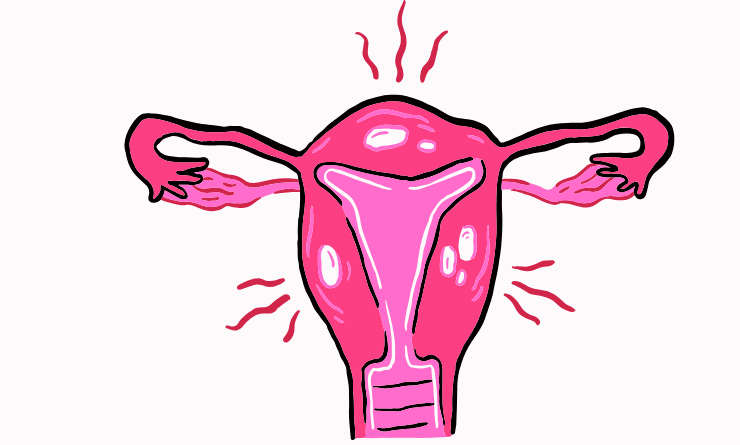
PCOS — Polycystic Ovary Syndrome — has become a concerning problem for many Indian women today. Irregular periods, excessive hair growth, skin problems, and weight gain are some of the common symptoms. The good news is that with the right diet and lifestyle changes, the effects of PCOS can be controlled to a great extent. In this article, we are sharing simple, practical, and Indian-context diet options, a 7-day diet plan, and useful tips — so that you can start making changes in your daily routine. For Indian women, following the right PCOS Diet Plan in India can bring better long-term results.
Importance of PCOS Diet Plan — Why Changing Your Diet is Essential?
In PCOS, insulin resistance and hormonal imbalance are often observed. That is why:
- The right food helps control blood sugar.
- Helps reduce belly fat and overall weight.
- Reduces inflammation, allowing hormones to function better.
- Improves fertility and hormonal cycle.
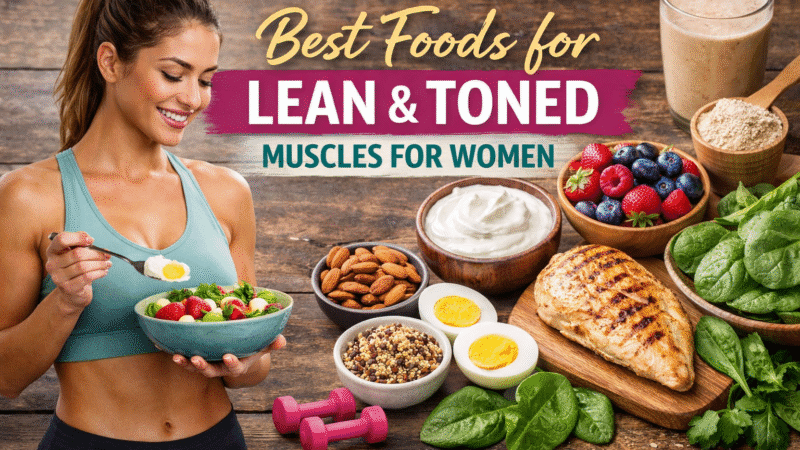
So it’s not about “eating less” but about “eating smart”: focus on fiber, protein, and healthy fats, while avoiding refined carbs and processed foods.
Best Food Groups for PCOS Diet Chart (Indian Context)
1) Whole Grains and Low-Glycemic Carbs for PCOS Diet
Brown rice, jowar, bajra, oats, and ragi — these are slow-digesting carbs that prevent sudden spikes in blood sugar.
Why: Lower glycemic index, higher fiber.
2) High-Fiber Fruits and Vegetables — Natural PCOS Diet Remedies
Spinach, fenugreek leaves, broccoli, bitter gourd, ridge gourd, carrot, tomato.
Fruits: guava, apple, jamun, strawberries (low-sugar fruits).
Why: Fiber slows down blood sugar rise and keeps you full for longer.
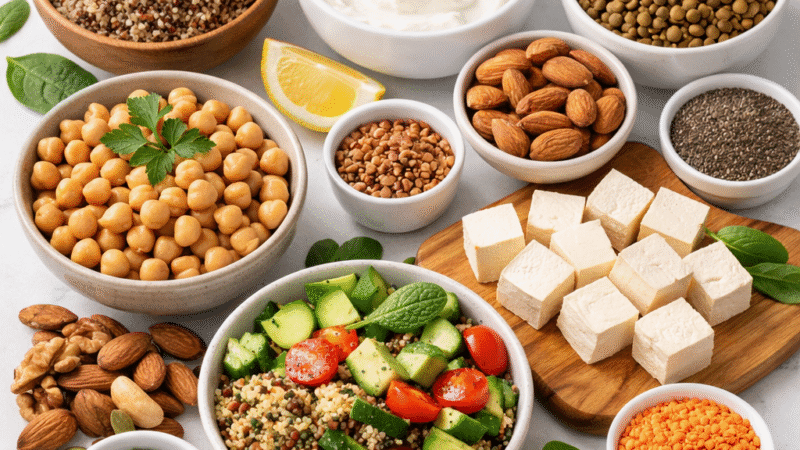
3) Protein-Rich Foods — Essential in PCOS Weight Loss Diet Plan
Lentils, chickpeas, kidney beans, moong, paneer, yogurt, soy chunks, eggs (if non-vegetarian).
Why: Protein controls hunger and is necessary for muscles — boosting metabolism.
4) Healthy Fats and Omega-3 — PCOS Hormonal Balance Diet
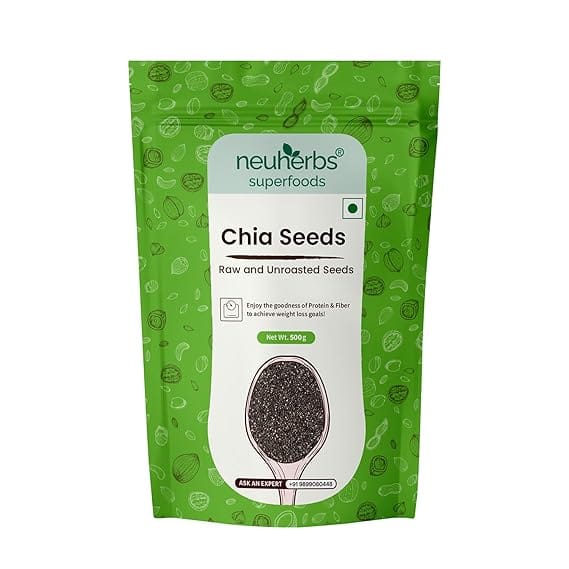
Walnuts, flax seeds, chia seeds, fatty fish, olive oil, avocado (if available).
Why: Reduces inflammation and supports hormonal balance.
5) Probiotics and Fermented Foods — PCOS Friendly Diet in India
Yogurt, buttermilk, kimchi (if preferred), low-fat curd items.
Why: A healthy gut microbiome improves hormonal health.
6) Indian Spices and Herbs — Home Remedies for PCOS
Turmeric, cinnamon, cumin, coriander, fenugreek seeds — have anti-inflammatory and blood sugar balancing properties.
What Not to Eat in PCOS? (Foods to Avoid in PCOS Diet Plan)
- Refined flour (maida), white bread, packaged snacks — increase glycemic load and inflammation.
- Sweets, sugary drinks (colas, packaged juices) — cause sugar spikes and raise insulin.
- Trans fats and excessive fried foods — worsen hormonal imbalance.
- Too much red meat or processed meat — if consumed, should be in moderation.
7-Day PCOS Diet Plan for Indian Women (Indian PCOS Diet Chart)
This 7-day PCOS Diet Plan in India is designed as per Indian eating habits so that you can easily follow it in your daily life.
Day 1 – Simple PCOS Weight Loss Diet Plan (in Hindi context)
- Morning: Warm water + 5 soaked almonds
- Breakfast: Oats poha + 1 cup green tea
- Mid-morning: 1 guava
- Lunch: 2 jowar/bajra rotis + plain dal + green salad
- Evening: Roasted chana or makhana
- Dinner: Veg soup + 1 multigrain chapati
- Before bed: Light curd or turmeric milk (sulphur-free, if preferred)
Days 2–7 – Indian PCOS Diet Plan for Hormonal Balance
- Breakfast variations: Oats upma, sprouted moong salad, broken wheat porridge
- Lunch: Brown rice/quinoa (if available) + dal + sabzi + salad
- Dinner: Paneer/soy chunks curry + rotis or light khichdi
- Snacks: Fruits, nuts, buttermilk, green tea
- Daily routine: At least 30 minutes brisk walking or moderate exercise, and 7–8 hours of sleep
PCOS Weight Loss Diet Tips (PCOS Weight Loss Diet Tips in Hindi)
- Walk at least 30 minutes daily (preferably brisk).
- Do strength training twice a week — it improves metabolism and builds muscle.
- Focus on good sleep — poor sleep worsens hormonal imbalance.
- Manage stress: meditation, pranayama, and yoga help reduce cortisol levels.
Amazon Recommended PCOS Diet Friendly Products (Affiliate Links)
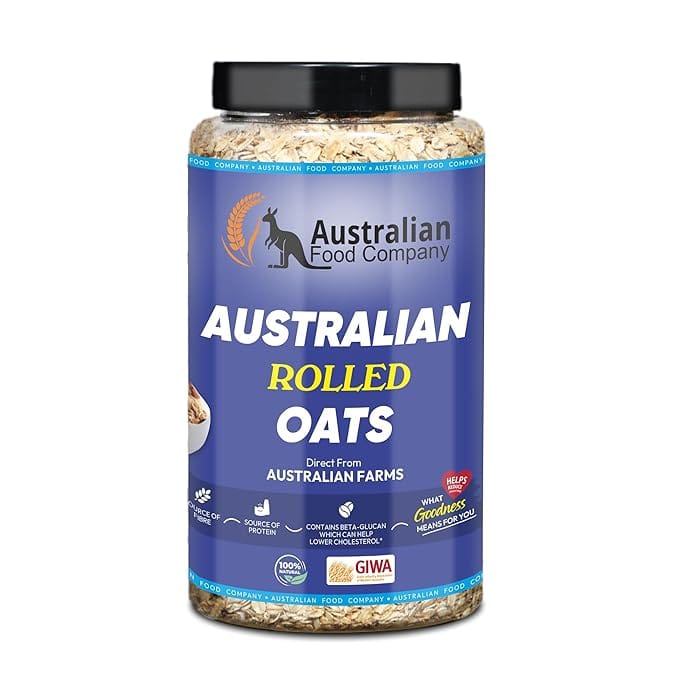
Ideal for PCOS breakfasts

For adding to smoothies/curd
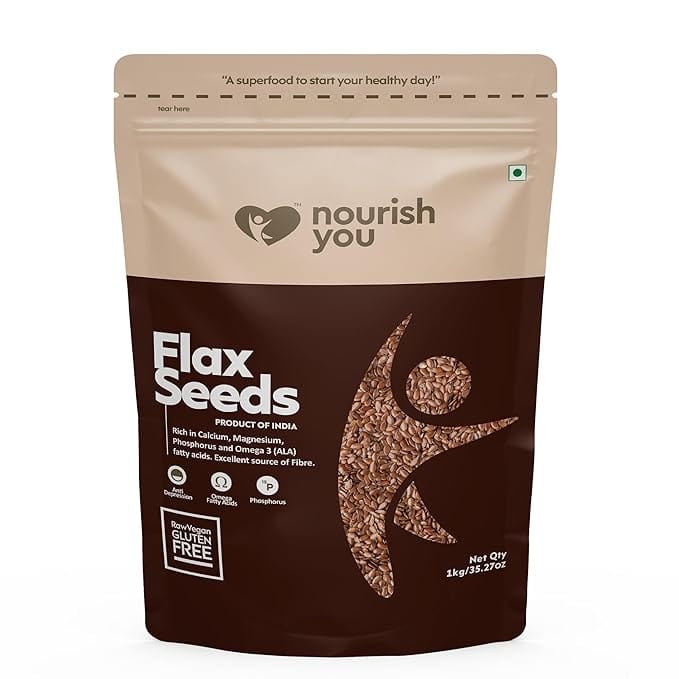

High in Omega-3 & fiber

Frequently Asked Questions (FAQ)
1. Should carbs be completely avoided in PCOS?
No — carbs are essential. But choose smart carbs: whole grains and fiber-rich sources. Avoid refined sugar and maida.
2. Can yoga or exercise cure PCOS?
Yoga and exercise help, especially in improving insulin sensitivity and reducing stress. But they are not a cure; diet and medical advice are also needed.
3. Are dairy products harmful in PCOS?
Low-fat, sugar-free yogurt is beneficial. However, for some women, dairy can increase inflammation — so reduce if you feel discomfort.
4. Do home remedies (like fenugreek seeds) help PCOS?
Fenugreek seeds, cinnamon, and turmeric may help as supportive remedies — but they are not a cure. Consult a doctor for serious symptoms.
5. Should supplements be taken without a doctor’s advice?
No. Supplements like Vitamin D, B12, and Omega-3 can help but should only be taken after consulting a doctor or dietician.
Conclusion — How to Get Better Results from PCOS Diet Plan in India?
For Indian women dealing with PCOS, the biggest strength is a balanced, nutritious, and locally available diet. Small lifestyle changes — such as reducing refined carbs, adding whole grains, increasing protein, and including light exercise daily — can make a big difference in the long run. Remember: every body is different, so always consult your doctor or a certified dietician before making major dietary changes or starting supplements.