Paneer vs Eggs: Which is the Healthier Breakfast Choice?
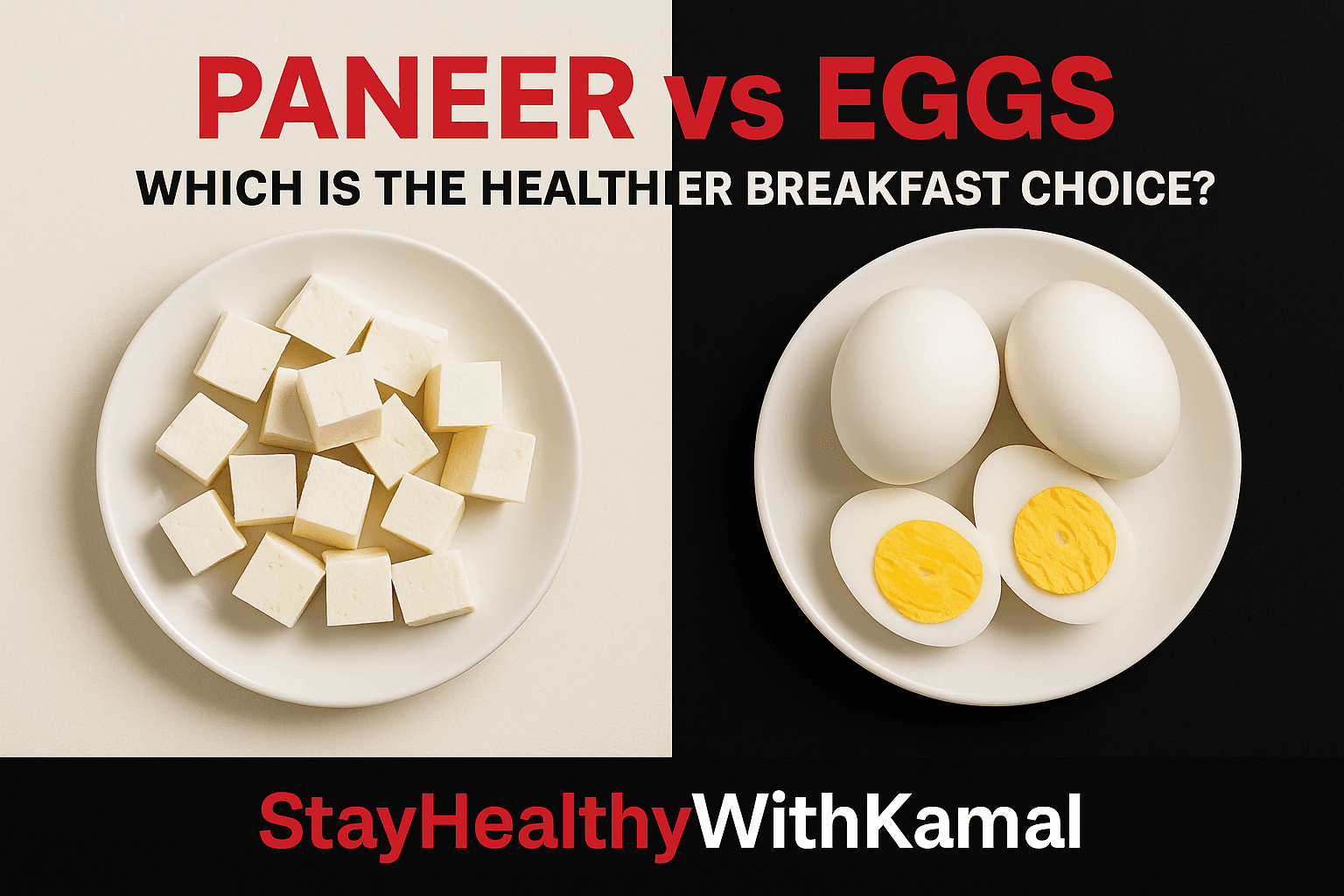
Breakfast sets the stage for your day. A nourishing morning meal stabilises blood sugar and curbs cravings. Two popular protein options are paneer, a fresh Indian cheese, and eggs, the versatile staple found across cuisines. Both supply important nutrients but differ in calories, fat and micronutrients. If you are confused about what to eat, this Paneer vs Eggs Breakfast comparison will help you choose the healthier option.
Understanding the Paneer vs Eggs Breakfast Basics
Paneer Nutrition in a Paneer vs Eggs Breakfast
Paneer is made by curdling heated milk with an acid such as lemon juice or vinegar. It retains much of milk’s fat and protein, so it is rich and satisfying. A scientific review notes that fresh paneer usually contains 22–25% fat and 16–18% protein, with very little lactose. When cow milk with about 3.5% fat is used, 100 g of paneer supplies around 20.93 g protein and 18.98 g fat, plus roughly 2 g of lactose. Paneer also delivers calcium, phosphorus and fat-soluble vitamins A and D. Because it is not aged, paneer has a soft texture and mild flavour that easily absorbs spices.
Why Eggs Are Special in a Paneer vs Eggs Breakfast
Chicken eggs are known for their impressive nutrient density. A large hard-boiled egg contains about 77.5 kcal, 6.3 g protein, 5.3 g total fat and 186 mg cholesterol. Eggs provide vitamins A, B2 and B12 as well as minerals like phosphorus and selenium. Although eggs are high in dietary cholesterol, most studies show this has little effect on blood cholesterol for healthy people. The Mayo Clinic reports that eating up to seven eggs per week is considered safe. The egg white is mostly water and protein, while the yolk houses fats, cholesterol, choline and other fat-soluble nutrients.
Paneer vs Eggs Breakfast Nutrition Comparison
To put these foods side by side, the table compares the approximate nutritional content of 100 g paneer and two large hard-boiled eggs (about 100 g). Values vary depending on preparation.
Paneer packs more calories, protein and saturated fat, while eggs provide complete protein at fewer calories and offer distinct micronutrients like choline and antioxidants. For many people, choosing between the two often comes down to their Paneer vs Eggs Breakfast goals—whether they want more protein or fewer calories.
| Nutrient (approx. per 100 g) | Paneer (cow milk) | Two large eggs |
|---|---|---|
| Calories | 265–323 kcal | ~155 kcal |
| Protein | ~20.9 g | ~12.6 g |
| Total fat | ~18.9 g | ~10.6 g |
| Saturated fat | Relatively high | ~3.3 g |
| Carbohydrates (lactose) | ~2 g | ~1 g |
| Cholesterol | ~76 mg (from milk fat) | ~372 mg |
| Key micronutrients | Calcium, phosphorus, vitamins A and D | Vitamin A, B2, B12, choline, lutein & zeaxanthin |
Paneer packs more calories, protein and saturated fat, while eggs provide complete protein at fewer calories and offer distinct micronutrients like choline and antioxidants.
Health Benefits of Paneer in a Breakfast Meal
Muscle Growth Benefits (Paneer vs Eggs Breakfast Choice)
Protein is the structural building block of the body. Paneer delivers roughly 20 g of protein per 100 g, with all nine essential amino acids. NDTV emphasises that paneer is a good source of protein for vegetarians, as it contains every essential amino acid. This makes paneer valuable for muscle repair and growth, especially for people who avoid meat but still need complete protein.
Bone Health Benefits of Paneer
Paneer is a significant source of calcium and phosphorus, essential for bone and dental health. Its vitamin B12 and zinc levels help immune function and brain health. Paneer’s nutrient-rich profile often makes it a strong candidate in a Paneer vs Eggs Breakfast for people needing more calcium.
Health Benefits of Eggs for Breakfast
Why Eggs Support Weight Loss in a Paneer vs Eggs Breakfast
Eggs are a compact source of high-quality protein with all essential amino acids. They also deliver lutein, zeaxanthin, choline, vitamin D, vitamin B12 and selenium. These nutrients support eye health, brain development, bone strength and metabolism. Eggs are low in calories yet filling, making them ideal for weight control. For people comparing a Paneer vs Eggs Breakfast, eggs offer more nutrients at fewer calories.
Although eggs contain cholesterol, studies show minimal impact on blood cholesterol for most people, and some research suggests eggs may raise HDL (“good”) cholesterol.
Micronutrient Advantages of Eggs
Eggs are a compact source of high‑quality protein. A single large egg supplies 6.3 g of proteinfor around 70–77 calories, delivering all the essential amino acids needed to build and repair tissues. Because eggs contain both water‑soluble and fat‑soluble vitamins as well as minerals like selenium and iron they are sometimes described as nature’s multivitamin. <!– Consolidated eggs micronutrient benefits –>
Beyond protein, eggs deliver nutrients like lutein, zeaxanthin, choline, vitamin D, vitamin B12 and selenium Lutein and zeaxanthin support eye health, while choline aids brain development and cognitive function. Vitamin D and B12 promote bone health and energy metabolism, and selenium acts as an antioxidant. The combination of protein and healthy fats in eggs enhances satiety—eating eggs at breakfast may help reduce hunger and assist weight management. Although eggs contain cholesterol, studies show this has little impact on blood cholesterol for most people and may even raise HDL (“good”) cholesterol; consuming up to seven eggs weekly is considered safe.
Drawbacks to Consider Before Choosing Paneer or Eggs
No food is perfect. Understanding possible downsides helps you enjoy these breakfast staples responsibly.
Limitations of Paneer for Breakfast
- Lactose intolerance and digestion: Even though most lactose is removed during paneer preparation, it is still a dairy product. Times of India reports that eating too much paneer can cause bloating, gas and indigestion, especially in people with lactose intolerance. Cooking paneer with digestive spices like ginger and turmeric may ease discomfort.
- High calorie, saturated fat and cholesterol: Paneer’s fat gives it rich flavour but also makes it calorie dense and high in saturated fat. Overconsumption without balancing physical activity can lead to weight gain and may raise LDL (“bad”) cholesterol levels. Commercial paneer may also contain added salt, which can contribute to high blood pressure.
- Allergies and quality concerns: People with cow’s milk allergy must avoid paneer to prevent allergic reactions like rashes or swelling. Poor‑quality paneer adulterated with fillers or hydrogenated fats can cause digestive distress. Making paneer at home or buying from trusted sources helps ensure quality.
Limitations of Eggs for Breakfast
- Cholesterol for sensitive individuals: Each egg contains about 186 mg of cholesterol, so those with inherited hypercholesterolemia or certain medical conditions may need to limit intake. People with diabetes should discuss egg consumption with their healthcare provider.
- Food safety: Raw or undercooked eggs can harbour Salmonella bacteria. Cook eggs until the yolks and whites are firm, and store them properly in the refrigerator to reduce risk. Pasteurised eggs are available for recipes that require raw eggs.
- Allergies: Egg allergies are common in children and can cause hives, digestive upset or, rarely, anaphylaxis. Many children outgrow these allergies by adolescence, but adults with known allergies should avoid eggs.
How to Choose the Healthier Paneer vs Eggs Breakfast
Deciding between paneer and eggs depends on personal preferences, dietary restrictions and health goals. Your Paneer vs Eggs Breakfast choice should reflect what your body needs.
Dietary preferences and lifestyle
- Vegetarian or lacto‑vegetarian diets: Paneer suits vegetarians who consume dairy but avoid meat, providing a convenient complete protein. Vegans, however, will need plant‑based proteins such as tofu or legumes.
- Omnivorous diets: Eggs offer complete protein at fewer calories and deliver nutrients like choline, lutein and vitamin D, making them a good choice for omnivores.
Fitness and protein needs
- Muscle building: Paneer provides more protein per 100 g than eggs (about 20 g vs 12 g), which can benefit those looking to maximise protein intake.
- Calorie control: Eggs are lower in calories and fat, making them ideal for those aiming to lose weight or reduce daily calorie intake.
Health conditions
- Lactose intolerance or milk allergy: People with lactose intolerance may tolerate small portions of paneer, but those with milk allergies should avoid it. Eggs contain no lactose and are generally easier to digest.
- Cholesterol and heart health: Moderate egg consumption is safe for most people. Paneer’s saturated fat may be more concerning; if you need to lower cholesterol, opt for low‑fat paneer and keep portions modest.
- Diabetes: Paneer’s low carbohydrate content and high protein can help manage blood sugar levels. Eggs can also be part of a diabetic diet, but some studies suggest people with diabetes should limit high egg consumption.
Culinary versatility
Paneer readily takes on spices in Indian dishes like bhurji (scrambled paneer), tikka, parathas and curries. It can also be crumbled into salads or stuffed into wraps. Eggs are incredibly adaptable—boil, scramble, poach or make an omelette. Rotating between the two can keep breakfasts exciting and nutritionally varied.
Making Your Paneer vs Eggs Breakfast Healthier
Whether you choose paneer or eggs, a few simple practices can help maximise health benefits:
- Control portions and pair wisely: Stick to small servings—about 40–50 g of paneer or two large eggs—and fill the rest of your plate with vegetables and whole grains for added fibre and sustained energy.
- Cook with less fat: Grill or sauté paneer and prepare eggs by boiling, poaching or dry‑scrambling with minimal oil to keep saturated fat in check.
- Choose quality ingredients: Make paneer at home or buy from reputable sources to avoid additives, and select fresh, clean eggs from trustworthy brands; store them properly and cook them thoroughly.
Conclusion
There is no single “winner” when weighing paneer vs eggs. Paneer offers more protein and calcium, making it a good choice for vegetarians and those seeking a richer, calorie‑dense start, while eggs are lower in calories and saturated fat and provide unique nutrients like choline and lutein. Your choice should reflect your dietary preferences, health goals and any medical conditions. Alternating between paneer and eggs or combining them with other proteins such as tofu or legumes ensures variety and balanced nutrition.
Frequently Asked Questions (FAQ)
1. Is paneer good for weight loss?
Paneer can support weight loss because it is high in protein and low in carbohydrates, which helps keep you full for longer. However, it is also calorie‑dense and high in saturated fat. To include paneer in a weight‑loss diet, watch portion sizes and choose reduced‑fat paneer.
2. Can I eat eggs every day?
Most healthy people can safely eat up to seven eggs per week without increasing their risk of heart disease. Eggs are nutrient‑dense and provide high‑quality protein. People with diabetes or high cholesterol should consult their healthcare provider about appropriate intake.
3. Which has more protein—paneer or eggs?
Per 100 g, paneer contains about 20 g of protein, whereas two large eggs (about 100 g) provide around 12 g of protein. Paneer offers more protein but also comes with more calories and fat.
4. Are there vegetarian alternatives to eggs?
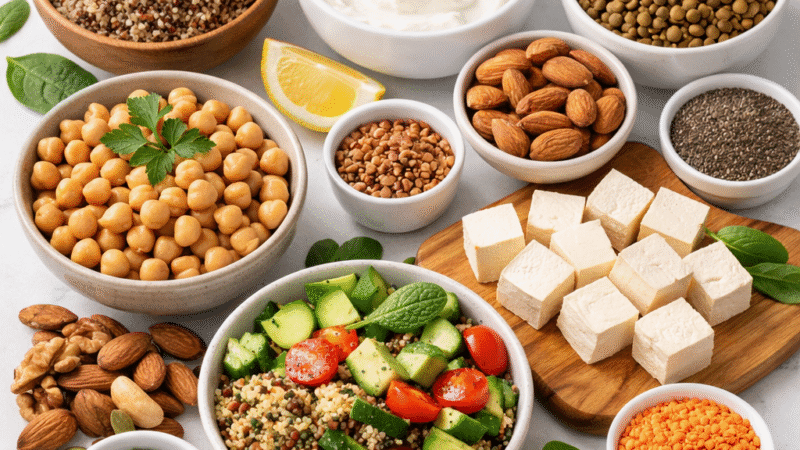
Yes. Apart from paneer, vegetarian alternatives include tofu, tempeh, lentils, chickpeas, and nuts or seeds. Tofu has a similar texture to paneer and supplies plant‑based protein without cholesterol or lactose.
5. How can I include paneer or eggs in a balanced breakfast?
For paneer: sauté cubes with peppers, onions and spinach for a quick bhurji; add paneer to whole‑grain wraps or salads; or incorporate it into vegetable stir‑fries. For eggs: enjoy boiled eggs with a side salad, scramble eggs with tomatoes and leafy greens, or make an omelette stuffed with vegetables and herbs. Always pair your protein with fibre‑rich foods like whole grains and vegetables to improve satiety and support digestive health.