Moringa Soup for Winter Health Benefits: Why People Keep Coming Back to It
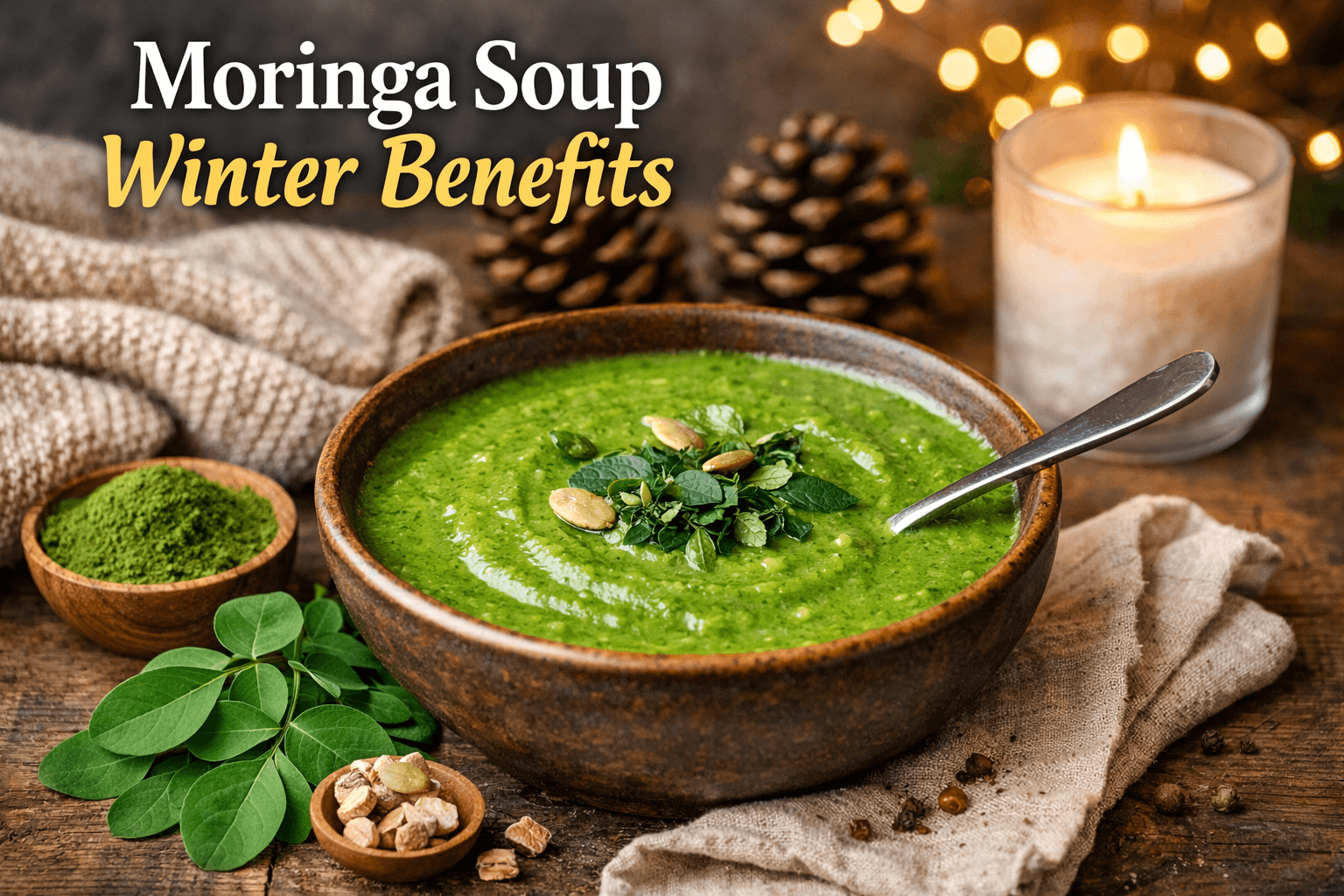
When the temperature drops and daylight hours shorten, few things are as comforting as a bowl of hot soup. Winter meals often become heavier and vegetables quietly disappear from our plates. Moringa soup changes that narrative. Moringa Soup Winter Benefits is a simple yet powerful dish that provides warmth, nourishment and flavour in one bowl. Known as the drumstick tree or miracle tree, Moringa oleifera is native to India and has been used for centuries in traditional medicine and cooking. In recent years, it has been celebrated worldwide as a superfood. This article explores why moringa soup deserves a place at your winter table by examining its nutritional benefits, its specific advantages during cold weather, how to prepare it, and practical tips for integrating it into your diet.
What Is Moringa and Why It’s a Winter Superfood: Exploring Moringa Soup Winter Benefits
Introduction to Moringa
Moringa oleifera is a fast‑growing tree native to the Indian subcontinent. Locals know it as the drumstick tree (because of its long seed pods) or sahjan. Every part of the plant – leaves, flowers, seeds and pods – can be eaten, but the leaves are especially prized. In traditional Ayurveda, moringa is valued for supporting digestion, immunity, and overall vitality. Its rise in popularity as a modern superfood stems from scientific studies confirming its nutrient density and potential therapeutic properties.
Unlike trendy health foods that come and go, moringa soup feels like it has always been around. Its flavour is mild and earthy, and the leaves soften quickly when cooked, making the soup easy to digest – perfect during winter when our metabolism can slow down and heavy foods are common. A Times of India article notes that moringa soup provides vital vitamins and minerals often missing from winter diets and that its mild flavour makes it ideal for colder monthstimesofindia.indiatimes.com.
Taken together, these factors illustrate why Moringa Soup Winter Benefits make it a winter superfood.
Nutritional Profile & Evidence: Moringa Soup Winter Benefits
What sets moringa apart from other leafy greens is its remarkable nutrient profile. According to a review published on PubMed, the small leaves of moringa pack a full punch of nutrients that in some cases exceed those of common foodspmc.ncbi.nlm.nih.gov. Studies report that moringa leaves contain more calcium than milk, more potassium than bananas and more iron than spinachpmc.ncbi.nlm.nih.gov. This makes them especially useful in regions or seasons where fresh produce is scarce.
The leaves are also rich in protein, fibre, iron, magnesium and several vitamins. Healthline lists the nutritional content of one cup (about 21 g) of fresh chopped moringa leaves: 13 calories, 2 g protein, 19 % of the recommended daily allowance (RDA) of vitamin B6, 12 % of the RDA of vitamin C, 11 % of the RDA of iron, 11 % of the RDA of riboflavin (B2), 9 % of the RDA of vitamin A (from beta‑carotene) and 8 % of the RDA of magnesiumhealthline.com. Moringa pods are lower in most vitamins and minerals than the leaves but are exceptionally rich in vitamin C, with one cup providing 157 % of the daily requirementhealthline.com.
The nutrient density of moringa makes it ideal for winter. Fresh vegetables can be limited or expensive during cold months. A small amount of moringa leaves or powder adds significant nutrition without relying on seasonal producetimesofindia.indiatimes.com. When cooked gently, the nutrients move into the soup, making them easier for the body to absorbtimesofindia.indiatimes.com.
All these nutrients contribute to Moringa Soup Winter Benefits, ensuring each bowl offers comprehensive nourishment during cold months.
Antioxidants are another highlight. Moringa leaves contain a variety of antioxidant compounds, including flavonoids, phenolic acids and carotenoidshealthline.com. These substances help neutralise free radicals and reduce oxidative stress, which is linked to chronic diseases. Researchers note that moringa’s antioxidant compounds may be particularly beneficial against oxidative stress and may even help manage blood pressurehealthline.com.
Why Moringa Soup Works in Winter: Key Winter Benefits
Winter brings its own set of challenges. The cold weather often leads to slower mornings, heavier dinners, less physical activity and a greater risk of infections. Moringa soup answers these needs quietly and effectively. It warms the stomach while delivering nutrition without heavinesstimesofindia.indiatimes.com. Here’s how moringa soup supports wellbeing during winter.
Understanding these Moringa Soup Winter Benefits helps you appreciate why this humble soup is ideal when temperatures drop.
Immunity Boost & Antioxidants: Winter Benefits of Moringa Soup
Cold and flu season can test our immune system. Moringa leaves have been studied for their antibacterial and anti‑inflammatory propertiestimesofindia.indiatimes.com. They contain antioxidants such as flavonoids, phenolics and carotenoidshealthline.com, which help protect cells from damage caused by free radicals. The warmth of the soup also provides comfort, soothing the throat and chest during seasonal illnesstimesofindia.indiatimes.com.
Vitamin C is vital for immune function, and moringa delivers. A cup of moringa leaves provides 12 % of the daily requirement, and a cup of pods supplies an impressive 157 %healthline.com. Vitamin C helps white blood cells function properly and supports the body’s ability to fight infections. This makes moringa soup an easy way to sneak immune‑boosting nutrients into your winter meals.
Energy & Seasonal Tiredness: Sustaining Winter Benefits
Many people experience winter fatigue due to shorter days, less sunlight and routine illnesses. The Times of India article points out that moringa leaves contain compounds supporting energy metabolism and reducing oxidative stresstimesofindia.indiatimes.com. Unlike stimulants that offer a quick burst of energy followed by a crash, moringa soup offers a subtle, consistent lift. Its high iron content helps prevent anaemia, which is common during cold months and can cause weakness. Magnesium and vitamin B6 also contribute to energy production and mood regulation. When taken regularly, moringa soup helps the body feel less strained and better equipped to handle winter fatiguetimesofindia.indiatimes.com.
Digestive Support & Lightness: Moringa Soup Winter Benefits
Heavy, oily foods are often part of winter diets, leading to sluggish digestion and bloating. Moringa soup counteracts this pattern by being light yet filling. It contains fibre that supports gut movementtimesofindia.indiatimes.com. Warm liquid helps reduce bloating and discomfort. The leaves are easier to tolerate than raw greens because cooking softens themtimesofindia.indiatimes.com. Many people find that moringa soup serves as a gentle, soothing evening meal, especially after a day of dense foodtimesofindia.indiatimes.com. The hydration it provides also aids digestion, which is often neglected during winter.
Blood Sugar & Heart Health: Metabolic Winter Benefits
Refined carbohydrates and sugary treats are common winter cravings. For people watching their blood sugar levels, moringa soup can be a smart choice. The Times of India notes that moringa leaves are known for compounds that help slow glucose absorptiontimesofindia.indiatimes.com. When consumed as soup, the fibre and plant compounds work together without putting stress on the digestive systemtimesofindia.indiatimes.com. This makes moringa soup suitable as a side dish or light meal in controlled diets. Some studies suggest that moringa may have antihyperlipidemic properties; it could lower cholesterol and triglycerides and increase HDL (good) cholesterolhealthline.com. Although more human research is needed, the combination of fibre, antioxidants and plant compounds gives moringa a potential role in heart health, which is particularly important when winter inactivity can raise cardiovascular risk.
How to Make Moringa Soup
Preparing moringa soup is straightforward and requires few ingredients. Use either fresh leaves or powdered moringa, which is often sold in health food stores. The Times of India provides a simple recipe that you can adapt to your tastetimesofindia.indiatimes.com. Below is a detailed version with a few suggested variations.
Ingredients
- Fresh moringa leaves: About one handful, stems removed, or 2 tablespoons moringa powder.
- Onion: 1 medium, finely chopped.
- Garlic: 3–4 cloves, minced.
- Ginger: ½ inch piece, grated.
- Green chilli: 1–2 (optional, for heat).
- Turmeric powder: ½ teaspoon.
- Black pepper: ½ teaspoon, freshly ground.
- Ghee or olive oil: 1 tablespoon.
- Vegetable stock or water: 3 cups.
- Salt: To taste.
- Optional additions: Chopped carrot, tomato, sweet corn, or moong dal for extra nutrients.
Method
- Prepare the leaves: Wash fresh moringa leaves thoroughly. Remove any tough stems. If you’re using powder, measure it and set aside.
- Sauté aromatics: Heat ghee or oil in a saucepan over medium heat. Add the minced garlic, chopped onion, grated ginger and optional green chilli. Sauté for 2–3 minutes until the onions become translucent and aromatictimesofindia.indiatimes.com.
- Add moringa: Add the fresh leaves and sauté for another 2–3 minutestimesofindia.indiatimes.com. If using powder, add it later to prevent burning.
- Spice & simmer: Stir in turmeric and black pepper. Pour in vegetable stock or water. Add salt to taste. If you want a thicker soup, add chopped vegetables or moong dal now. Bring to a gentle simmer and cook for 10–12 minutestimesofindia.indiatimes.com.
- Blend (optional): For a creamy texture, allow the soup to cool slightly, then blend until smooth. Return to the pot and reheat gently. If using powdered moringa, stir it in at this stage.
- Serve: Ladle the soup into bowls and serve hot. A squeeze of lemon juice, a pinch of cumin powder or freshly chopped herbs can brighten the flavour.
This basic recipe is adaptable. You can add coconut milk for creaminess, tofu for protein, or barley for extra fibre. If you prefer a more complex flavour, sauté cumin seeds, curry leaves or bay leaves with the aromatics. Experiment until you find your favourite variation.
Tips for Including Moringa in Your Winter Diet: Harnessing Moringa Soup Winter Benefits
Incorporating moringa into your meals doesn’t have to stop at soup. Consider the following tips:
These suggestions will maximise Moringa Soup Winter Benefits while keeping your meals varied and enjoyable.
- Start gradually: If you’re new to moringa, begin with small amounts. Its earthy flavour can be strong if used excessively.
- Balance with fats: Some of moringa’s vitamins, such as A and E, are fat‑soluble. Cooking moringa with healthy fats like ghee, coconut oil or olive oil enhances nutrient absorption.
- Mix with other superfoods: Pair moringa with carrots, beetroot, spinach, fenugreek or lentils for a nutrient‑rich dish. In smoothies, combine moringa powder with banana, yogurt and honey for an energy‑boosting drink.
- Opt for quality: Store fresh leaves in the refrigerator wrapped in a damp paper towel. Keep powder in an airtight container away from heat and light.
- Stay hydrated: Fibre in moringa can aid digestion, but adequate water intake is essential for it to move smoothly through the digestive tract.
Moringa Soup & Cultural Connections: Winter Benefits and Traditions
Moringa soup isn’t just a modern health trend; it has deep cultural roots in many parts of India and around the world.
Traditional Roots in India: Moringa Soup Winter Benefits
Across southern India, cooks regularly add moringa leaves and pods to curries, stews and sambar. Along the coast, families often incorporate the pods into fish curries. Rural families and grandmothers recommend moringa soup for postpartum recovery and to nourish children and elders. These traditional practices align with scientific findings: the soup is easy to digest, nutrient‑dense, and supportive of recoverytimesofindia.indiatimes.com.
Functional Food & Global Adoption: Global Winter Benefits
Beyond India, moringa soup is part of the wider movement towards functional foods. As interest grows in dishes that offer more than basic sustenance, this soup fits the bill: it provides warmth and comfort while delivering nutrients that support immunity, digestion and metabolism. This quiet resilience is why moringa soup continues to be a winter staple; it doesn’t shout about its benefits, but those who include it in their diet notice the difference. Communities across Africa, Asia and the Caribbean dry moringa leaves into powder to fortify soups, sauces and porridges, helping families meet their nutritional needs when fresh vegetables are scarce.
Comparing Moringa Soup Winter Benefits with Other Winter Soups
There are countless winter soups, from tomato bisque and minestrone to chicken noodle and mushroom cream. Each has its merits, but moringa soup stands out in several ways:
- Nutrient density: Tomato and carrot soups are excellent sources of vitamin A, but moringa soup offers vitamin A plus calcium, iron and complete amino acidspmc.ncbi.nlm.nih.govhealthline.com. Chicken soup is rich in protein yet lacks the broad array of vitamins and minerals found in moringa.
- Calorie content: Many creamy winter soups rely on milk, cream or butter, which increase calories and may not suit people with dairy intolerances. Moringa soup can be made with water or light vegetable stock, keeping it low in calories while still satisfying.
- Vegetarian & vegan friendly: Moringa soup provides plant‑based protein and essential nutrients, making it an excellent option for vegetarians and vegans looking for a balanced winter meal.
- Digestibility: Some soups, like heavy chowders, can sit heavily in the stomach. Moringa soup is light yet filling, offering fibre and warmth that support digestiontimesofindia.indiatimes.com.
- Flavor versatility: Its mild taste pairs well with spices such as turmeric, ginger, cumin and coriander, allowing you to tailor the soup to your palate. You can keep it simple for a soothing meal or spice it up for a bolder dish.
FAQs about Moringa Soup
Is it safe to drink moringa soup every day?
Yes, moringa soup made from fresh leaves or culinary powder is generally safe to consume daily in moderate amounts. It’s a natural food that has been eaten for generations. However, the Healthline article cautions that moringa supplements may interact with medications for diabetes, blood pressure and thyroid disorders, and they might not be safe during pregnancyhealthline.com. If you have medical conditions or take medication, consult your healthcare provider before making moringa a daily habit.
Which is better: fresh leaves or moringa powder?
Both provide benefits. Fresh leaves have a mild flavour and retain their water content, while powder is made from dried leaves and is more concentrated. If you find the powder bitter, opt for fresh leaves. Powder is convenient for smoothies, sauces and when fresh leaves aren’t available. Whichever you choose, avoid overcooking to preserve nutrients.
Can moringa soup help with weight management?
Moringa leaves are low in calories and high in fibre. The fibre helps you feel full and slows digestion, which can reduce overeatingtimesofindia.indiatimes.com. Combined with an active lifestyle and balanced diet, regular moringa soup can support healthy weight management. It’s not a magic solution on its own but a helpful tool.
Is moringa soup suitable for children?
Yes, children can enjoy moringa soup. The vitamins and minerals support growth and immunity. For kids, make a milder version by reducing the spices and blending the soup until smooth. Always introduce new foods gradually and watch for allergies.
How should I store moringa soup?
Freshly cooked moringa soup will keep in the refrigerator for two to three days. Reheat gently and avoid repeated boiling, which can destroy heat‑sensitive nutrients. You can also prepare a batch of soup base and freeze it in portions for up to one month. When reheating from frozen, thaw overnight in the refrigerator and warm slowly.
Is moringa soup beneficial for people with diabetes?
Moringa contains plant compounds such as quercetin and chlorogenic acid that may help lower blood sugar levelshealthline.com. The Times of India notes that moringa leaves help slow glucose absorptiontimesofindia.indiatimes.com. While these properties are promising, they do not replace medical treatment. Diabetics should monitor their blood sugar and consult their doctor before adding moringa to their diet.
How long does it take to make moringa soup?
From preparation to serving, moringa soup takes about 20–25 minutes. If you have pre‑chopped ingredients or are using powder, the process can be even quicker. It’s an ideal recipe for busy evenings when you need something warm and nourishing without much effort.
Conclusion
Moringa soup may not be flashy, but it offers a wealth of benefits that make it a winter essential. Packed with protein, vitamins and mineralshealthline.compmc.ncbi.nlm.nih.gov, it supports immunity and digestiontimesofindia.indiatimes.com, provides subtle energytimesofindia.indiatimes.com and may help regulate blood sugar and cholesterolhealthline.comtimesofindia.indiatimes.com. Its mild flavour and easy preparation mean you can enjoy it regularly without getting bored. In a season when comfort food often compromises nutrition, moringa soup stands out for its ability to nourish and comfort at the same time. Whether you use fresh leaves or powder, experiment with spices or keep it simple, Moringa Soup Winter Benefits will keep you warm, energised and well-nourished all season long.