How to Lose Belly Fat Naturally (Science‑Based Guide)

Belly fat is more than a cosmetic concern – it reflects deep metabolic changes in your body. Visceral fat, the kind that wraps around your organs, has been linked to higher risks of heart disease, type 2 diabetes and inflammation. Losing visceral fat can improve vascular function and even sleep quality, yet many people struggle to reduce it. The good news is that you can lose belly fat naturally through evidence‑based lifestyle changes. This guide synthesizes the latest research up to early 2026 and explains what belly fat is, why it matters and how you can reduce it safely and sustainably.
What Is Belly Fat?
Belly fat comes in two varieties: subcutaneous fat and visceral fat. Subcutaneous fat sits just beneath your skin and is the soft tissue you can pinch around your belly or thighs. It acts as insulation and energy storage and cushions your muscles and bones. Visceral fat, on the other hand, lies deep inside your abdomen, wrapping around organs like your liver, intestines and stomach. Visceral fat is metabolically active and far more dangerous – it raises inflammation, disrupts hormones and insulin sensitivity, and increases the risk of heart disease, stroke and type 2 diabetes. Even people with a normal weight can harbor high levels of visceral fat, making waist size a better marker of health than the bathroom scale.
How to Measure Belly Fat
While a DEXA scan or MRI provides the most accurate estimate of visceral fat, you can track progress at home by measuring your waist or waist‑to‑hip ratio. A healthy waist circumference is generally below 35 inches (89 cm) for women and 40 inches (102 cm) for men. For men, a waist‑to‑hip ratio of less than 0.9 is considered ideal, and values above 1.0 signal increased risk. Monitor these measurements periodically rather than obsessing over daily weigh‑ins.
Why Is Belly Fat Dangerous?
Visceral fat behaves like an active endocrine organ. It releases inflammatory molecules and hormones that interfere with insulin signalling, raise blood pressure and alter cholesterol levels. This inflammatory cascade contributes to metabolic syndrome, cognitive decline and even some cancers. Research from Johns Hopkins notes that large waistlines are linked to higher risks of heart disease, diabetes and cancer, and that losing abdominal fat improves blood‑vessel function and sleep quality. That is why reducing visceral fat is not just about looking better – it is central to long‑term health.
How to Lose Belly Fat Naturally – Science‑Backed Strategies
Reducing belly fat naturally requires a multifaceted approach. No single trick will melt fat overnight, but combining several proven methods yields sustainable results.
1. Focus on Whole Foods and Carbohydrate Quality
Researchers at Johns Hopkins found that a low‑carbohydrate diet led to a greater loss of body weight and a higher proportion of fat loss compared with a low‑fat diet. Cutting back on refined carbohydrates (white bread, pastries, sugary drinks) and emphasizing high‑fiber or protein‑rich choices such as vegetables, beans and lean meats helps manage appetite and blood sugar. High‑fiber diets – especially those rich in soluble fiber – slow digestion, increase satiety and are associated with reduced belly‑fat gain. For every 10 grams of soluble fiber eaten per day, long‑term studies show a 3.7 % decrease in belly‑fat gain. Excellent sources include fruits, vegetables, legumes, oats and barley.
2. Avoid Trans Fats and Added Sugars
Trans fats, created by hydrogenating unsaturated oils, have been linked to inflammation, heart disease, insulin resistance and abdominal fat gain. Although many manufacturers have removed trans fats, always check labels for partially hydrogenated oils and avoid processed foods high in trans fats or saturated fats. Similarly, limit foods and drinks loaded with added sugars. Excess fructose from sugary beverages or desserts is associated with heart disease, type 2 diabetes and increased visceral fat. Even natural sweeteners like honey should be used sparingly. Choose water, sparkling water with lemon or unsweetened tea instead of soda and juice, and enjoy whole fruits to satisfy sweet cravings.
3. Eat Enough Protein
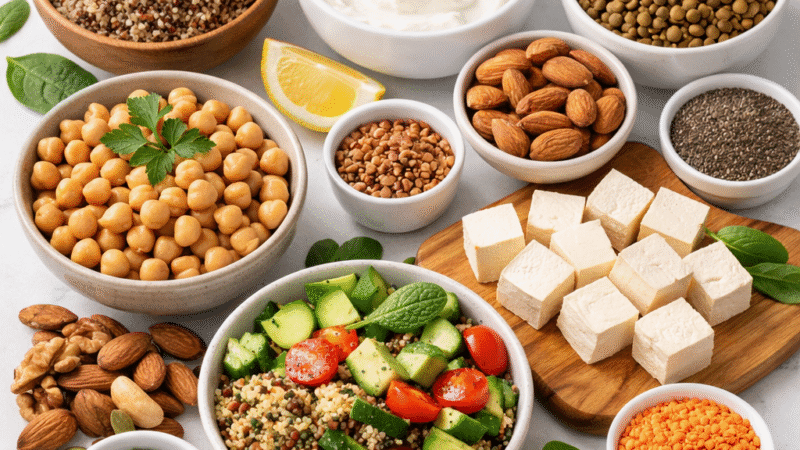
Protein plays a pivotal role in belly‑fat loss. It increases the release of the satiety hormone peptide YY and raises your metabolic rate, helping you maintain lean muscle mass during weight loss. People who eat higher‑protein diets tend to have less abdominal fat than those who consume less protein. Harvard experts recommend about 0.8 g of protein per kilogram of body weight (0.36 g per pound) as a baseline, and note that older adults or those seeking to build muscle may benefit from up to twice this amount. Aim to include 30 grams of protein at each meal and snack. Choose sources such as fish, poultry, beans, yogurt, nuts and high‑quality protein powders.
4. Limit Alcohol
Drinking too much alcohol can contribute to belly fat. Research links heavy drinking to increased fat around the waist, whereas moderate drinkers who average less than one drink per day tend to carry less visceral fat. Current guidelines recommend limiting alcohol to two drinks per day for men and one drink per day for women. Cutting back not only reduces empty calories but also improves liver function, making it easier to lose belly fat naturally.
5. Manage Stress and Cortisol
Chronic stress raises cortisol, the “fight‑or‑flight” hormone that encourages fat storage around the abdomen. Studies show that women with larger waistlines produce more cortisol in response to stress, creating a vicious cycle of anxiety and fat accumulation. Incorporate stress‑relief techniques like yoga, meditation, deep breathing, nature walks or journaling into your routine to reduce cortisol and support fat loss. Connecting with friends and family can also help – research shows that spending time with health‑focused friends increases the likelihood that you will eat well and exercise regularly.
6. Prioritize Sleep
Sleep is the unsung hero of fat loss. Studies have linked sleeping fewer than five hours per night to weight gain and increased belly fat. Poor sleep can also exacerbate insulin resistance and boost hunger hormones. Aim for 7–8 hours of quality sleep. If you snore, wake up tired or suspect sleep apnea, consult a healthcare provider – sleep disorders can promote visceral fat and undermine your efforts.
7. Do Aerobic Exercise (Cardio)
Cardio exercise burns calories and helps reduce visceral fat. Moderate‑intensity aerobic exercise performed 30–60 minutes most days improves muscle metabolism and taps into stored visceral fat. The activity type can vary – running, brisk walking, swimming, cycling or dancing all count. Johns Hopkins notes that exercise lowers insulin levels and encourages the liver to burn fatty acids, particularly those near visceral fat stores. A 2015 study on postmenopausal women found that doing 300 minutes of aerobic exercise per week led to greater fat loss than 150 minutes, although both durations improved health. The key is consistency and gradually increasing intensity as your fitness improves.
8. Strength‑Train to Build Muscle
Resistance training (lifting weights, using resistance bands or body‑weight exercises) builds lean muscle, which in turn boosts your resting metabolic rate. Harvard physicians emphasize that building muscle triggers the conversion of white fat to metabolically active brown fat and helps shrink visceral fat. They recommend combining resistance training with aerobic exercise for maximum impact. A 2014 study involving teens with overweight found that combining strength training and cardio yielded the greatest decrease in visceral fat. Start with two or three sessions per week, targeting all major muscle groups, and gradually increase the weight or resistance as you get stronger. Always consult a fitness professional if you’re new to strength training.
9. Incorporate High‑Intensity Interval Training (HIIT)
Visceral fat responds well to high‑intensity interval training, which alternates short bursts of intense effort with periods of recovery. While HIIT sessions are more challenging, they may provide similar benefits to longer moderate‑intensity workouts in less time. According to data summarized by Amax Healthcare, methods like HIIT and brisk walking are effective at reducing visceral fat when combined with resistance training and dietary changes. However, HIIT isn’t suitable for everyone; beginners should build a base of steady‑state cardio first and check with a healthcare provider before starting high‑intensity routines.
10. Choose Healthy Fats and Fatty Fish
Not all fats are harmful. Omega‑3 fatty acids found in fatty fish may help reduce visceral fat and protect against chronic disease. Studies in adults and children with fatty liver disease show that omega‑3 supplements can significantly reduce liver and abdominal fat. Aim for two to three servings of fatty fish (such as salmon, herring, sardines or mackerel) per week. Plant‑based omega‑3 supplements derived from algae are available for vegans or those who dislike fish.
11. Add Probiotics and Fermented Foods
Your gut microbiome influences weight regulation. Some research suggests that members of the Lactobacillus family, including Lactobacillus fermentum, amylovorus and gasseri, may help reduce belly fat. Probiotic foods like yogurt, kefir, sauerkraut and kimchi supply beneficial bacteria and support digestion. Probiotic supplements can be helpful, but quality varies; speak to a healthcare professional before starting any supplement.
12. Try Intermittent Fasting (If Appropriate)
Intermittent fasting cycles between periods of eating and fasting. A 2023 study found that combining intermittent fasting with protein pacing – evenly spaced high‑protein meals – resulted in greater reductions in body weight, total fat and visceral fat than calorie restriction alone. Popular schedules include fasting for 16 hours daily or 24‑hour fasts once or twice per week. Not everyone responds well to fasting; some older research suggests that women may experience blood‑sugar fluctuations. If you try intermittent fasting, listen to your body, stop if you feel unwell and discuss the plan with a healthcare provider.
13. Drink Green Tea for lose belly fat naturally
Green tea contains caffeine and catechins such as epigallocatechin gallate (EGCG), which may boost metabolism and support fat loss. Reviews have found that regular consumption of green tea can aid weight loss and reduce waist circumference, especially when paired with exercise. Aim for two to three cups per day or consider a green‑tea extract supplement, but avoid adding sugar and monitor your caffeine tolerance.
14. Track Your Food Intake and Activity
Creating a calorie deficit is essential for losing fat. Keeping a food diary or using an online tracker helps monitor your intake of calories, protein, carbohydrates and fiber. People who log their meals tend to lose more weight because tracking increases awareness and accountability. Many apps also let you record workouts, steps and other activities. Remember that dramatic calorie restriction can lead to muscle loss; instead, aim for a moderate deficit and pair it with resistance training to preserve muscle.
15. Make Sustainable Lifestyle Changes lose belly fat naturally
Research shows that combining different strategies yields the best results. Doing one or two items on this list in isolation may not make a big difference, but changing your lifestyle – eating balanced meals, staying active, sleeping well and managing stress – leads to natural fat loss over time. It’s impossible to “spot reduce” belly fat, but by reducing overall body fat you will shrink your waistline and improve your health. Focus on gradual, sustainable changes rather than quick fixes.
Exercise Plan: Moving Toward a Leaner Waist
An effective belly‑fat reduction program combines aerobic activity, strength training and functional movement.
- Aerobic exercise: Aim for at least 150 minutes of moderate‑intensity cardio each week – brisk walking, cycling, swimming or dancing – and progress toward 300 minutes for greater benefits. Aerobic exercise lowers insulin levels and encourages the liver to burn fatty acids. If you’re short on time, add short bursts of higher intensity or incorporate HIIT once or twice per week.
- Strength training: Incorporate resistance exercises two to three times weekly to build muscle and increase metabolic rate. Use free weights, machines, resistance bands or body‑weight exercises. Focus on compound movements like squats, lunges, presses and rows. Building muscle promotes “browning” of white fat cells and shrinks visceral fat.
- Active living: Beyond formal workouts, stay active throughout the day. Walk after meals, use the stairs, garden or play sports. Reducing sedentary time improves insulin sensitivity and calorie expenditure.
How Long Does It Take to Lose Belly Fat?
Many people ask, “Can I reduce my tummy in seven days?” Health experts caution that losing belly fat quickly is neither realistic nor healthy. The rate of fat loss depends on your starting point, age, genetics and adherence to lifestyle changes. As a general rule, losing 1 to 2 pounds (0.45–0.9 kg) per week is considered safe. Expect noticeable reductions in waist circumference over several weeks to months with consistent effort. Remember that muscle weighs more than fat; focus on how your clothes fit and how you feel rather than solely on the scale.
Conclusion
Losing belly fat isn’t about a single magic diet or exercise. It’s the result of adopting a balanced lifestyle that includes nourishing foods, regular physical activity, adequate sleep and stress management. By understanding the difference between subcutaneous and visceral fat and following science‑backed strategies, you can lose belly fat naturally while improving your overall health. Start by making small changes – swap sugary drinks for water, add a serving of vegetables to every meal, walk daily and lift weights twice a week. Over time these habits will shrink visceral fat, boost your metabolism and give you more energy. Always consult a healthcare professional before starting any weight‑loss plan, especially if you have underlying health conditions.
Frequently Asked Questions (FAQ)
What burns the most belly fat?
There’s no single “belly‑fat burner.” Studies suggest that combining intermittent fasting with evenly spaced, high‑protein meals leads to greater reductions in body weight and visceral fat than calorie restriction alone. However, the most effective approach combines a healthy diet, regular exercise (cardio and strength training), adequate sleep and stress management.
Can I lose belly fat without exercise?
Diet plays a crucial role, but exercise accelerates fat loss and preserves muscle. Aerobic activity lowers insulin levels and helps burn fatty acids, while resistance training builds muscle and triggers fat‑browning mechanisms. If you can’t exercise initially due to health issues, focus on diet and gradually add movement as you’re able. Always consult your doctor before starting a new exercise program.
Are there foods that help burn belly fat?
Foods rich in soluble fiber (fruits, vegetables, legumes and whole grains), protein (meat, fish, eggs, dairy and beans), and omega‑3 fats (fatty fish like salmon and sardines) may help reduce visceral fat. Green tea and fermented foods containing probiotics also show promise. Remember that no single food will melt fat – these foods are most effective when combined with an overall healthy diet.
How can I keep belly fat off permanently?
Long‑term success comes from sustainable habits. Choose whole, unprocessed foods; get at least seven hours of sleep; manage stress; limit alcohol; and stay active. Avoid crash diets that cut calories drastically – they can lead to muscle loss and metabolic slowdown. Re‑evaluate your habits periodically and adjust as needed to maintain a healthy lifestyle.
Is visceral fat loss different for women and men?
While the underlying principles are similar, hormonal differences can influence fat distribution. Women may be more sensitive to stress hormones, and research suggests intermittent fasting may affect blood sugar control in women differently than in men. Additionally, menopause and hormonal shifts can promote visceral fat accumulation. Women should pay special attention to strength training, sleep and stress reduction, and consult healthcare providers for individualized guidance.