High-Fiber Indian Diet for Better Digestion
Improving digestion with a high-fiber Indian diet is one of the simplest and most effective ways to reduce constipation, gas, bloating, and even blood sugar issues. When digestion stays healthy, the whole body feels better.
In this post, you’ll find easy food suggestions for every age group, a 7-day sample meal plan, everyday home remedies, and frequently asked questions. Let’s begin!
What is Fiber and How Does It Work?
Fiber is the part of food that is not completely digested in our body, but it provides several benefits once it reaches the intestines. There are two main types of fiber:
Soluble Fiber
It dissolves in water and forms a gel-like substance, helping to slow down blood sugar and cholesterol.
Examples: Oats, flax seeds, apples.
- Quaker Oats
- Happilo Flax Seeds
Insoluble Fiber
This does not dissolve in water. It adds bulk to stool and speeds up bowel movement.
Examples: Whole grains, carrots, broccoli.
Benefits in short: Reduces constipation, decreases bloating, supports weight control, promotes healthy gut bacteria, and helps prevent diabetes and heart problems.
How Much Fiber Should You Consume Daily?
- Children: 10–15 g/day
- Teen girls & women: 21–25 g/day
- Teen boys & men: 30–38 g/day
- Middle-aged & elderly adults: 20–35 g/day (depending on health condition)
Note: Increase fiber gradually and drink enough water so that it works properly.
Fiber-Rich Foods | High-Fiber Indian Diet
“These foods are an essential part of a high-fiber Indian diet and help strengthen digestion.”
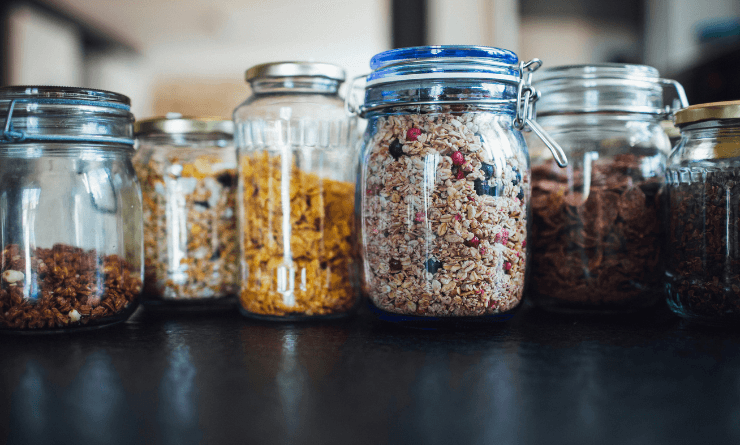
- Whole grains: Bajra, jowar, brown rice, barley
- Oats & ragi: Great breakfast options
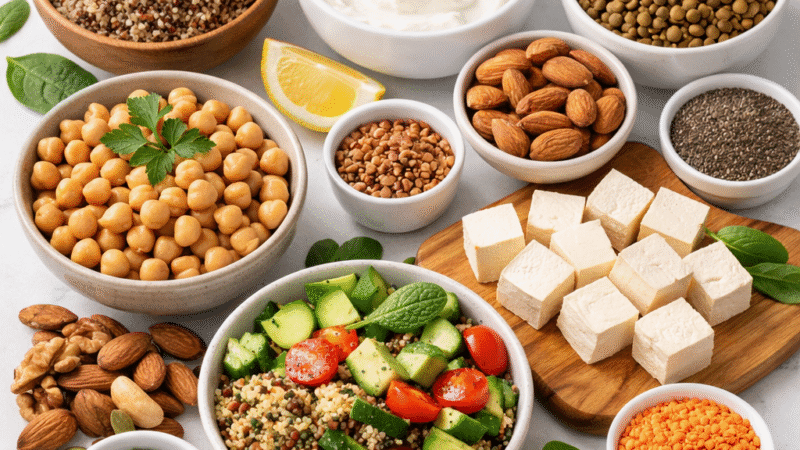
- Legumes & pulses: Rajma, chickpeas, moong, masoor
- Fruits (with skin): Apple, pear, guava, banana
- Vegetables: Carrot, broccoli, spinach, beans, bottle gourd
- Seeds & nuts: Flax seeds, chia seeds, almonds, walnuts
- Nutri Organics Flax Seeds
- Nature Prime Chia Seeds
- Raghbat California Almonds
- Sprouts: Moong, chickpeas (salad, chilla, or raita)
- Sprout Maker
7-Day High-Fiber Indian Diet Chart for Digestion
(This plan is based on simple home ingredients; adjust as per your needs.)
Day 1
- Breakfast: Oats upma + 1 apple (with skin)
- Mid-morning: Roasted chickpeas (1 handful)
- Lunch: Brown rice + rajma + green salad
- Evening: Sprouts salad
- Dinner: Bajra roti + broccoli-carrot sabzi
Day 2
- Breakfast: Ragi paratha + curd (1 tsp flax seeds)
- Mid-morning: Banana
- Lunch: Quinoa/brown rice salad + moong dal
- Evening: Roasted chickpeas
- Dinner: Wheat roti + bottle gourd sabzi
(Days 3–7 can include oats, sprouts, pulses, millets, and seasonal fruits.)
Age-Wise Meal Plans | High-Fiber Indian Diet
Children (4–12 years)
Target: 10–15 g fiber/day
- Breakfast: Oats pancakes + apple slices
- Mid-morning: Roasted chickpeas/fruit pieces
- Lunch: Bajra roti + moong dal + light sabzi
- Evening: Sprouts chaat (mild spices)
- Dinner: Brown rice khichdi + curd
Tips: Serve in small colorful portions with dips or chutneys.
Teenagers (13–18 years)
Target: 20–25 g/day
- Breakfast: Oats smoothie (oats + banana + curd + flax seeds) + 5 almonds
- Mid-morning: Seasonal fruit
- Lunch: Brown rice + rajma/chickpeas + sabzi
- Evening: Moong dal chilla + coriander chutney
- Dinner: Wheat roti + dal + sabzi
Young Adults (19–35 years)
Target: Women 21–25 g, Men 30–38 g
- Breakfast: Oats upma + fresh fruits
- Mid-morning: Dry fruits or fruit salad
- Lunch: Brown rice/quinoa bowl + sprouts + sabzi
- Evening: Hummus + whole wheat toast or roasted chickpeas
- Dinner: Millet/jowar roti + dal + leafy sabzi
Middle Age (36–50 years)
Focus: Metabolism & heart health
- Breakfast: Steel-cut oats + curd + 1 tsp flax seeds
- Mid-morning: Apple + seeds
- Lunch: Brown rice + mixed dal + salad + soup
- Evening: Roasted vegetables or sprouts salad
- Dinner: Jowar/bajra roti + sabzi + grilled paneer/fish
Elderly Adults (50+ years)
Focus: Soft & easy-to-digest meals
- Breakfast: Dalia (oats/ragi) + mashed fruit puree
- Mid-morning: Curd + 1 tsp ground flax seeds
- Lunch: Khichdi (brown rice + moong dal) + boiled vegetables
- Evening: Light soup + soft multigrain toast
- Dinner: Light dal + boiled veggies + small roti
Pregnant & Lactating Women (Bonus)
- Breakfast: Oats + ripe fruit + milk/curd
- Mid-morning: Dry fruits + seasonal fruit
- Lunch: Brown rice + spinach + dal + curd
- Evening: Sprouts salad + hummus
- Dinner: Bajra/jowar roti + sabzi + paneer/dal
⚠️ Caution: Always consult a doctor before taking supplements.
Easy Recipes | High-Fiber Indian Diet
- Flax Seed Curd Smoothie: Blend curd + 1 tsp ground flax seeds + 1 banana + honey.
- Sprouts Chilla: Moong sprouts + gram flour + green chili + coriander, cooked on a flat pan. (Check Sprout Maker on Amazon)
- Oats Vegetable Upma: Roast oats, add onion, carrot, peas, and cook.
- Fruit Chaat: Mixed fruits + lemon juice + chaat masala, without added sugar.
Simple Tips for Better Digestion
- Chew food slowly and properly.
- Drink enough water throughout the day.
- Include vegetables or fruits in every meal.
- Walk 20–30 minutes daily.
- Take probiotic foods (curd, buttermilk) regularly.
- Increase fiber gradually—sudden increase may cause gas.
Precautions
- For IBS, IBD, or other gut issues, consult a doctor before making changes.
- Drink more water if taking fiber supplements.
- Adjust food texture and portion size for children and elderly.
Conclusion | High-Fiber Indian Diet for Digestion
Following a high-fiber Indian diet is an easy and effective way to improve digestion. Including whole grains, pulses, fruits, vegetables, seeds, and nuts daily can help achieve long-term digestive health, weight control, and overall wellness. Make gradual changes, stay hydrated, and consult a doctor if any unusual symptoms occur.
Frequently Asked Questions (FAQs)
Q1: Why does gas form when fiber intake increases suddenly?
A: Gut bacteria break down new fiber and release gas. That’s why it’s better to increase intake slowly with more water.
Q2: Does fruit juice provide fiber?
A: Most fiber is lost in juice. Whole fruits with skin are better.
Q3: Why is water important with fiber?
A: Fiber works properly only with enough water; otherwise constipation may worsen.
Q4: Should you take fiber supplements?
A: Natural food sources are best. If needed, consult a doctor first and increase water intake.
Q5: What about children and elderly?
A: Children need small, fun portions, while elderly should eat soft, boiled foods. In both cases, include curd and enough water.