How to Build the Perfect High-Protein Veg Plate for Gym-Goers
Are you a gym enthusiast who follows a vegetarian lifestyle? Do you worry about meeting your protein needs without relying on meat? You’re not alone. Many fitness lovers question whether a plant-based diet can support muscle gain and recovery. The good news is that with thoughtful planning and a mix of the right foods, you can create a high-protein veg plate that delivers all the protein your body needs.
This guide will show you exactly how to build a high-protein veg plate that fuels your workouts, helps repair muscles and keeps your taste buds satisfied. We’ll discuss how much protein you actually need, the difference between complete and incomplete proteins, where to find plant-based protein and how to combine foods for optimal nutrition. You’ll also find sample plates, common mistakes to avoid and answers to frequently asked questions.
Why a High-Protein Veg Plate Matters for Gym-Goers
Protein is the building block for muscles, hormones and enzymes. When you lift weights or do intense cardio, your muscles undergo microscopic damage. Consuming enough protein provides the amino acids needed to repair and grow those muscle fibers. Without adequate protein, your body may struggle to recover, and you might feel sore and fatigued for longer.
For a vegetarian, a well-planned high-protein veg plate becomes even more important. It ensures you’re not just eating enough calories, but also getting the right quality and quantity of protein to support strength, endurance and performance.
How Much Protein Do You Need for a High-Protein Veg Plate?
Protein needs vary based on body weight, activity level and goals. For sedentary adults, the recommended dietary allowance (RDA) is around 0.8 grams per kilogram of body weight. However, gym-goers and athletes require more:
- Physically active individuals: Registered dietitians note that active people need about 1 g to 1.6 g of protein per kilogram daily. The lower end covers moderate activity; the higher end is suitable for intense training. A well-built high-protein veg plate at each meal helps you reach this range comfortably.
- Weight training or endurance athletes: Mayo Clinic recommends 1.2 – 1.7 g per kilogram for those who regularly lift weights or train for running and cycling events.
- Too much protein: Exceeding 2 g per kilogram isn’t beneficial and may strain the kidneys.
It’s also important to spread protein evenly throughout the day. Mayo Clinic suggests consuming 15–30 g of protein per meal; intakes above 40 g in a single sitting don’t yield extra muscle-building benefits. By distributing your intake across breakfast, lunch, dinner and snacks — each built around a thoughtful high-protein veg plate or snack — your body gets a steady supply of amino acids for repair and growth.
Complete vs. Incomplete Proteins for a High-Protein Veg Plate
Essential Amino Acids in a Veg Protein Plate
Proteins are composed of 20 amino acids, nine of which are considered “essential” because our bodies cannot produce them. Foods containing all nine essential amino acids in adequate amounts are called complete proteins. Animal products such as meat, eggs and dairy are complete by default. However, only a few plant foods — like soy, quinoa and buckwheat — fall into this category.
Incomplete Proteins and Complementation
Most plant proteins lack one or more essential amino acids, making them incomplete. Grains tend to be low in lysine but high in methionine, while legumes are high in lysine but low in methionine. By combining different plant foods, you can achieve a complete amino acid profile. This practice is called protein complementation, and it’s a key principle behind designing a smart high-protein veg plate.
One classic example is rice and beans. According to Healthline, both brown and white rice are low in lysine, but beans are high in lysine. Combining the two ensures that all essential amino acids are supplied. A cup of rice and beans provides about 6 g of protein and 5 g of fiber. Other complementary pairs include pita and hummus (wheat + chickpeas) and peanut butter on whole-grain bread.
Are Complete Proteins Necessary at Every Meal?
It’s a common myth that each meal must contain complete protein. In reality, your body maintains a pool of amino acids. As long as you eat a variety of plant proteins throughout the day, your system can combine them to meet its needs. Still, incorporating some complete plant proteins like soy or quinoa simplifies planning.
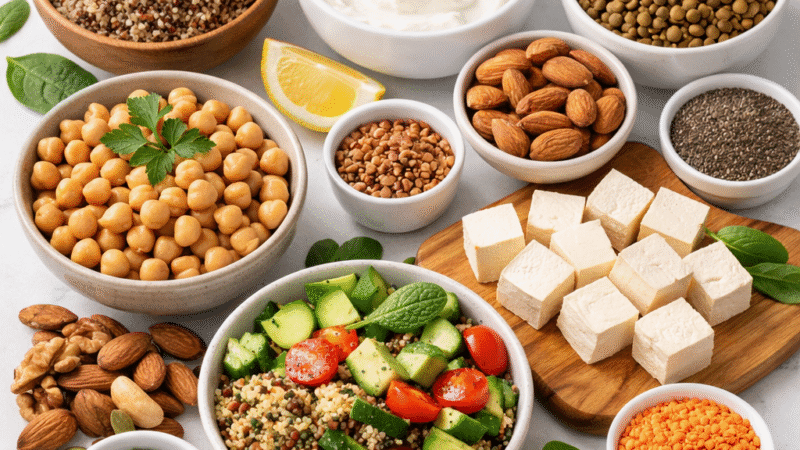
Top Plant-Based Protein Sources for Building a High-Protein Veg Plate
Creating a high‑protein veg plate starts with knowing where to find the protein. Plant proteins also come bundled with fiber, vitamins and minerals — nutrients that support overall health and gym performance.
Legumes and Pulses
Legumes (beans, lentils, peas) are affordable, versatile and high in protein. A 2024 MyFoodData analysis lists several top options:
| Food | Protein per cup | Protein per 100 g | Citation |
|---|---|---|---|
| Soybeans (boiled) | 31.3 g | 18.2 g | myfooddata.com |
| Lentils (boiled) | 17.9 g | 9 g | myfooddata.com |
| White beans | 17.4 g | 9.7 g | myfooddata.com |
| Cranberry/borlotti beans | 16.5 g | 9.3 g | myfooddata.com |
| Split peas | 16.3 g | 8.3 g | myfooddata.com |
| Chickpeas (garbanzo beans) | 14.5 g | – | myfooddata.com |
These numbers highlight why legumes should be a staple. Beans and lentils are also rich in iron, magnesium and folate, nutrients essential for red blood cell formation and energy metabolism.
Soy and Fermented Soy Products
Soybeans and their derivatives are complete proteins and offer some of the highest plant protein content:
- Firm tofu: One cup provides roughly 43.5 g of protein. Tofu’s neutral taste allows it to absorb flavors from sauces and marinades, making it excellent for stir‑fries, scrambles and curries.
- Tempeh: A fermented soy product with a nutty flavor; one cup delivers about 33.7 g of protein. Fermentation boosts digestibility and adds beneficial probiotics.
- Soymilk: A 16‑oz glass of unsweetened soymilk contains 14 g protein, making it a convenient base for smoothies or oatmeal.
Because soy products contain all essential amino acids, incorporating them ensures high protein quality without combining multiple ingredients.
Nuts and Seeds
Nuts and seeds are calorie‑dense but packed with protein, healthy fats and micronutrients. A couple of tablespoons of natural peanut butter provide 7.1 g of protein. An ounce (28 g) of dry roasted peanuts offers 6.9 g of protein. Almonds, walnuts, pumpkin seeds, sunflower seeds and hemp seeds also deliver protein along with magnesium, zinc and omega‑3 fatty acids.
For gym‑goers, nuts and seeds make excellent snacks or salad toppings. Their healthy fats support hormone production and aid vitamin absorption. Portion control is key because they are energy‑dense.
Whole Grains and Pseudograins
Whole grains aren’t just carbohydrates; many provide a notable amount of protein and fiber. GoodRx notes that high‑protein grains such as quinoa, barley, bulgur and wheat berries can help meet your protein needs while offering complex carbohydrates. Quinoa is particularly interesting because it’s a complete protein.
Other options include oats, brown rice, millet and amaranth. Pairing grains with legumes not only increases total protein but also improves amino acid balance, as discussed earlier.
Dairy and Eggs (For Lacto‑Ovo Vegetarians)
If you include eggs and dairy in your diet, you unlock additional complete protein sources:
- Eggs: Each large egg contains about 6 g of protein along with vitamins A, D, E, B12 and choline.
- Greek yogurt: Typically provides 10–12 g protein per 100 g serving, plus calcium and probiotics.
- Cottage cheese (paneer): About 14 g protein per 100 g, rich in casein which digests slowly and may promote overnight muscle repair.
Combining dairy or eggs with plant foods enhances nutrition by adding vitamin B12, calcium and vitamin D, which may be limited in strict vegan diets.
Vegetables and Other Plant Foods
While vegetables aren’t high in protein on their own, certain veggies contribute meaningful amounts and add valuable micronutrients. The American Heart Association’s plant‑based protein list highlights broccoli, spinach, peas, edamame, nut butter, oats, chickpeas, lentils, quinoa, tempeh, tofu and veggie patties as versatile, nutrient‑dense options.
Leafy greens (spinach, kale), cruciferous veggies (broccoli, Brussels sprouts) and colored vegetables (bell peppers, carrots) provide vitamins A, C, K and antioxidants that support immune health and recovery.
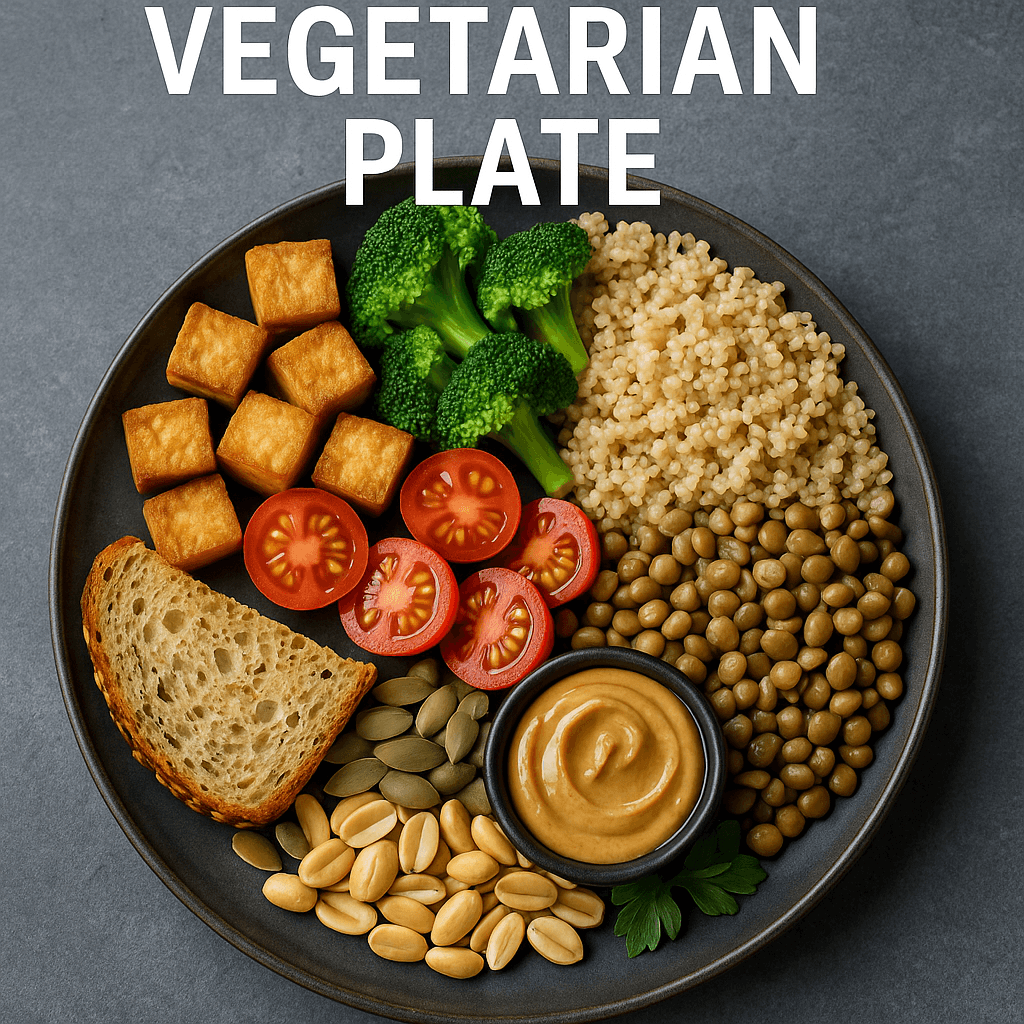
How to Build a Balanced High-Protein Veg Plate
A high‑protein plate doesn’t just focus on protein. For sustained energy, optimal recovery and overall well‑being, your meal should balance macronutrients and include plenty of micronutrient‑rich plants. Here’s a framework you can follow for each meal:
- Choose a primary protein source (about one‑third of the plate). Select from legumes, soy products, nuts/seeds, dairy or eggs. Aim for 15–30 g of protein per meal.
- Add complex carbohydrates (about one‑third of the plate). Whole grains like brown rice, quinoa, oats or whole‑grain bread provide sustained energy and fiber.
- Include healthy fats (about one‑sixth of the plate). Nuts, seeds, olive oil, avocado or coconut enhance flavor and aid nutrient absorption.
- Load up on vegetables (about one‑third of the plate). Incorporate a rainbow of veggies for vitamins, minerals and antioxidants.
- Don’t forget herbs and spices. Garlic, ginger, turmeric, cumin and coriander add taste and offer anti‑inflammatory benefits.
- Hydrate well. Water, herbal teas or lightly flavored drinks support digestion and muscle recovery.
This structure ensures you’re not only meeting your protein requirement but also getting the carbohydrates, fats and micronutrients needed for peak performance.
Sample High-Protein Veg Plate Meal Ideas
Need inspiration? Here are some high‑protein vegetarian meal ideas that combine the components above and offer balanced nutrition. Adjust portions based on your calorie and macro requirements.
1. Lentil & Brown Rice Nourish Bowl
What’s inside: 1 cup cooked lentils, 1 cup brown rice, steamed spinach and broccoli, a drizzle of olive oil and a handful of toasted nuts.
Why it works: Lentils supply about 17.9 g protein per cup. Brown rice adds complex carbs, while spinach and broccoli provide iron and vitamin C. The olive oil and nuts contribute healthy fats. Together, this bowl delivers around 25 g of protein and plenty of fiber.
2. Tofu Stir‑Fry with Quinoa
What’s inside: 150 g firm tofu (approx. 30 g protein) sautéed with mixed vegetables (bell peppers, snap peas, mushrooms) in a ginger‑garlic sauce, served over 1 cup cooked quinoa.
Why it works: Tofu is a complete protein, and quinoa also contains all nine essential amino acids. The vegetables add color, vitamins and antioxidants, while the ginger‑garlic sauce supports immunity and digestion.
3. Chickpea & Paneer Salad
What’s inside: 1/2 cup boiled chickpeas (≈7 g protein), 100 g paneer cubes (≈14 g protein), mixed salad greens, cucumber, cherry tomatoes and a lemon‑olive oil dressing.
Why it works: Combining legumes with dairy offers variety in amino acid profiles. The salad base provides fiber and hydration. Sunflower or pumpkin seeds can be added for extra crunch and healthy fats.
4. Moong‑Urad Dosa with Vegetable Sambar
What’s inside: Fermented batter made from split green gram (moong dal) and black gram (urad dal), cooked into thin crepes. Serve with a vegetable sambar made from lentils, tomatoes, carrots and drumsticks, plus coconut chutney.
Why it works: The combination of two different dals increases protein content. Fermentation improves digestibility, and sambar adds more legumes and vegetables. Coconut chutney contributes healthy fats.
5. Peanut Butter Oatmeal Bowl
What’s inside: Cooked rolled oats made with unsweetened soymilk (14 g protein per 16 oz), topped with 2 tbsp natural peanut butter (7.1 g protein), sliced banana and chia seeds.
Why it works: This breakfast option combines protein from soymilk, peanut butter and chia seeds with complex carbohydrates from oats. It’s simple to prepare and provides lasting energy for morning workouts.
6. Tempeh & Broccoli Stir‑Fry
What’s inside: 1 cup cubed tempeh (≈33.7 g protein)sautéed with broccoli, bell peppers and cashews in a soy‑ginger sauce. Serve with brown rice or quinoa.
Why it works: Fermented tempeh offers high‑quality protein and probiotics. Broccoli provides calcium and vitamin C, while cashews add healthy fats and crunch. Serve over whole grains to round out the meal.
Common Mistakes When Planning a High-Protein Veg Plate
While it’s easy to get excited about protein numbers, certain pitfalls can derail your progress:
- Uneven protein distribution: Packing most protein into one meal isn’t efficient. Your body can only utilize a limited amount of amino acids at once, so spread intake across the day.
- Overusing processed meats substitutes: Many meat analogues are high in sodium and additives. Use them sparingly and focus on whole foods like beans, lentils, nuts, seeds and soy.
- Neglecting micronutrients: Protein isn’t everything. Vitamins, minerals and phytonutrients from fruits and vegetables support recovery, immunity and hormone balance.
- Ignoring healthy fats: Fear of fat can lead to meals that aren’t satisfying and hinder nutrient absorption. Include sources like nuts, seeds, olives and avocados.
- Relying solely on supplements: Protein powders can be convenient, but they shouldn’t replace whole foods. According to Mayo Clinic, most people — even athletes — can meet protein needs through food.
Conclusion
Building a high‑protein vegetarian plate for gym‑goers is entirely achievable with the right planning. Aim for 1–1.6 g of protein per kilogram of body weight depending on your activity level, and spread that intake across the day with 15–30 g per meal. Understand the difference between complete and incomplete proteins, and use food combinations like rice and beans or peanut butter on whole‑grain bread to achieve a full amino acid profile. Focus on a variety of plant‑based protein sources including legumes, soy products, nuts, seeds and whole grains, supplemented by dairy or eggs if you consume them. Balance your plate with complex carbs, healthy fats and plenty of vegetables for fiber, vitamins and minerals. By following these principles, your vegetarian diet can support muscle growth, recovery and overall health.
Frequently Asked Questions (FAQ)
Q1: Can vegetarians build muscle without meat?
Absolutely. As long as you consume enough calories and protein (1–1.6 g/kg), your body can build muscle with plant‑based foods. Combining different plant proteins ensures all essential amino acids.
Q2: Do I need a protein supplement?
Not necessarily. Most people can meet their protein needs through food. Protein shakes are convenient but should supplement, not replace, whole foods. Use them when you’re short on time or need to increase total intake.
Q3: Are soy products safe?
Moderate consumption of soy foods like tofu and tempeh is considered safe for most people. They are complete proteins and offer numerous health benefits. If you have specific medical conditions (e.g., thyroid issues) or allergies, consult a healthcare professional.
Q4: How can I ensure I get enough iron and B12 on a vegetarian diet?
Iron: Eat legumes (lentils, chickpeas, soybeans), spinach, seeds and whole grains. Enhance absorption by pairing iron‑rich foods with vitamin‑C‑rich fruits and veggies.
B12: This vitamin is mostly found in animal products, so vegetarians may need fortified foods (plant milks, nutritional yeast) or supplements.
Q5: Is it okay to eat the same protein source every day?
Variety is crucial. Rotating between beans, lentils, soy, nuts, seeds and grains provides a broader spectrum of amino acids, vitamins and minerals. Eating the same thing daily can lead to nutrient gaps and boredom.
With this comprehensive guide, you now have the knowledge to craft a high‑protein vegetarian plate that supports your gym goals. Enjoy experimenting with flavors and combinations, listen to your body’s needs and relish the journey to a stronger, healthier you!