Heart Attacks in Young Adults: Causes, Signs & Prevention for a Heart‑Healthy Future
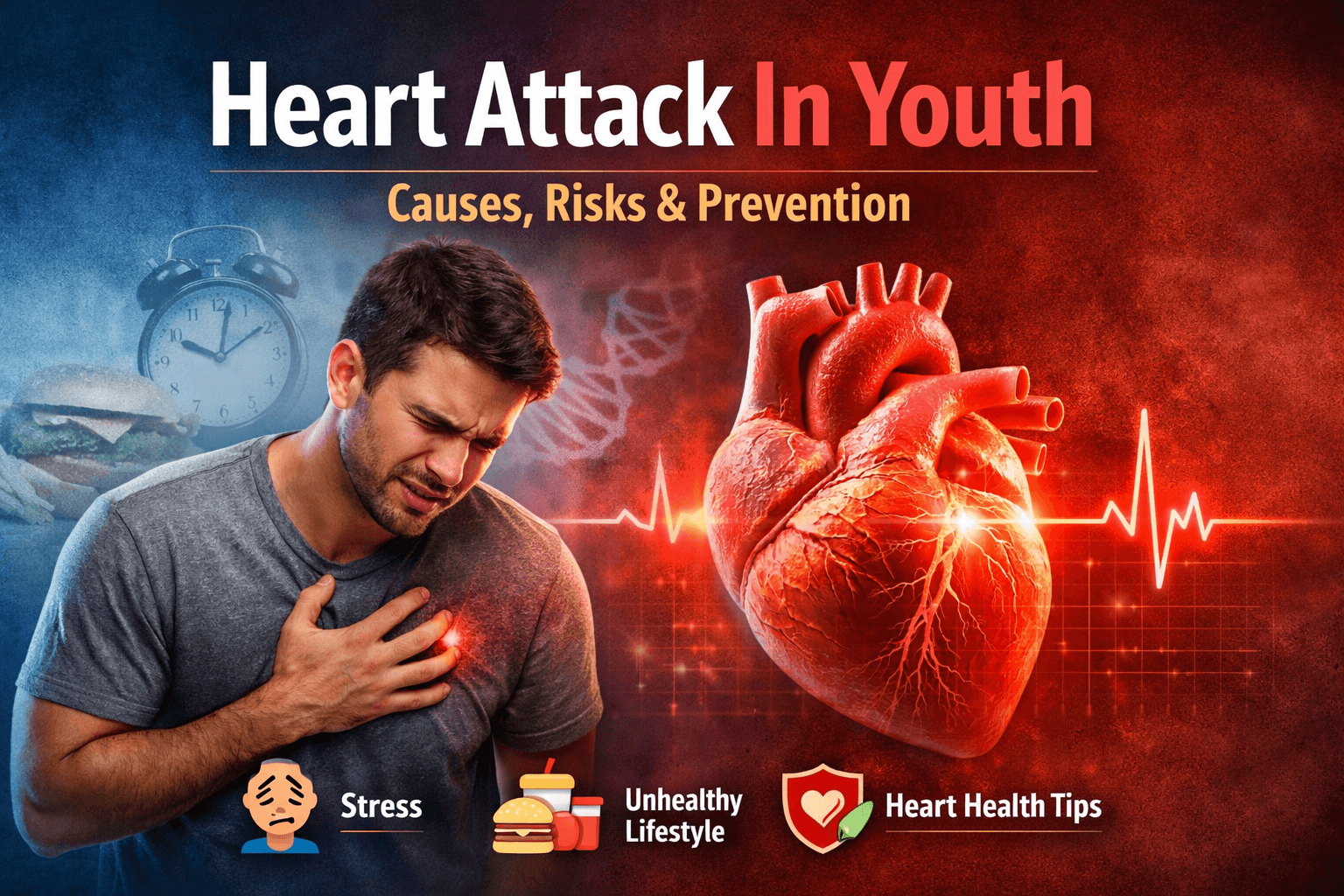
People often think heart attacks only affect middle‑aged or older adults. But recent data show an alarming rise among young adults — sometimes described as Heart Attack In Youth — even those in their 20s and 30s. The American Heart Association warns that plaque buildup can start in childhood. Young people who ignore heart‑healthy behaviors often show early signs of clogged arteriesheart.org. Research in the Journal of the American College of Cardiology shows that even “low‑risk” young adults can develop subclinical atherosclerosis. When factors such as high LDL cholesterol, blood sugar and blood pressure accumulate over time they silently damage arteriesacc.org. More young people having heart attacks leads to lost productivity, emotional trauma and rising healthcare costs.
This blog explores why heart attacks in youth are rising. Throughout the article we use the key phrase Heart Attack In Youth to emphasize this growing health concern. Citations are included for key facts and recommendations.
Heart Attack In Youth: Why are Young Adults Experiencing Heart Attacks?
Early Atherosclerosis and Heart Attack In Youth: Subclinical Disease
Atherosclerosis is the gradual buildup of fatty plaque in arteries and usually takes decades to cause symptoms. Yet imaging studies show that arteries can thicken and stiffen in people as young as their 20s when risk factors are present, contributing to Heart Attack In Youth. A 2024 American Heart Association news report highlighted that young adults who scored well on Life’s Essential 8 had thinner and more flexible carotid arteriesheart.org. These eight factors include healthy weight, blood pressure, cholesterol, blood sugar, diet, physical activity, nicotine exposure and sleep. Participants aged 21‑27 with higher LE8 scores had thinner artery walls and less fat buildupheart.org. This finding suggests that early lifestyle choices strongly influence later cardiovascular health. Conversely, poor scores were associated with thicker arteries and signs of early plaque formation, increasing the risk of Heart Attack In Youth.
Cumulative Risk Factor Exposure
These effects occur even when numbers stay within the “normal” range. Over many years these silent injuries accumulate and lay the groundwork for Heart Attack In Youth. Current guidelines do not address risk factor management in people aged 20‑39. Ongoing studies such as PRECAD are investigating whether aggressively controlling LDL cholesterol (below 70 mg/dL) and tightly managing blood pressure and glucose in young adults can prevent plaque buildupacc.org and reduce the incidence of Heart Attack In Youth.
Rising Prevalence of Conventional Risk Factors
Large registry studies have found an increasing incidence of myocardial infarction among people under 40. In the Partners YOUNG‑MI Registry (2000–2016), 21 % of first‑time heart attack patients were 40 or younger. They also found that illicit drugs like cocaine or amphetamines and clotting disorders contribute to premature heart attackspmc.ncbi.nlm.nih.gov.
Substance Use, Stress and Genetic Predisposition in Heart Attack In Youth
In very young heart attack patients, substance use is disproportionately common. The YOUNG‑MI study observed that illicit drug use was more frequent in very young adults than in older cohorts. Drugs like cocaine or amphetamines therefore appear to be significant contributorspmc.ncbi.nlm.nih.gov and play a direct role in the incidence of Heart Attack In Youth. Researchers also noted genetic predisposition and spontaneous coronary artery dissection (SCAD) — a tear in a coronary artery — as important factors. SCAD was significantly more common in very young women and often caused heart attacks despite minimal coronary artery diseasepmc.ncbi.nlm.nih.gov, demonstrating that genetic and anatomical factors can cause Heart Attack In Youth even without classic plaque buildup.
Chronic stress elevates blood pressure and cortisol, driving inflammation and metabolic changes that damage arteries.
Non‑Traditional Causes of Heart Attack In Youth (SCAD, Embolism & Stress Triggers)
Not all heart attacks in young adults stem from clogged arteries. A 2025 Mayo Clinic study of 15 years of data found that more than half of heart attacks in women under 65 were due to non‑traditional causesnewsnetwork.mayoclinic.org. These included spontaneous coronary artery dissection, coronary embolism and stress‑related triggers, which together explain a substantial portion of Heart Attack In Youth cases. Atherosclerosis accounted for only 47 % of female heart attacks compared with 75 % in mennewsnetwork.mayoclinic.org. Conditions like SCAD are often misdiagnosed, yet recognising them is crucial because treatment differs from that for plaque‑related heart attacks. The same study found that heart attacks triggered by severe anemia or infection carried the highest five‑year mortality (33 %)newsnetwork.mayoclinic.org. These findings underscore the need for clinicians to consider alternative causes when young patients, especially women, present with chest pain and suspected Heart Attack In Youth.
Emerging Trends in Heart Attack In Youth: India and the Global South
Heart attacks among younger people are not limited to Western countries. An editorial in Current Cardiology Reviews highlighted a “heart‑attack epidemic” among Indian youth. Other factors include stress‑induced cardiomyopathy (Takotsubo), oral contraceptive use and physical inactivity. These problems have led to an alarming rise in Heart Attack In Youth across India and the Global South.
Common Causes and Risk Factors
Heart attacks result from a complex interplay of modifiable and non‑modifiable factors. Below is a summary of major causes and risk factors with supporting evidence, with emphasis on how they contribute to Heart Attack In Youth.
Traditional Modifiable Risk Factors
- Dyslipidemia (high cholesterol) – Elevated LDL cholesterol or low HDL cholesterol is common in young heart attack patients; dyslipidemia affected about 52 % of young patientspmc.ncbi.nlm.nih.gov. Familial hypercholesterolemia can lead to extremely high LDL levels and premature atherosclerosispmc.ncbi.nlm.nih.gov and is a major cause of Heart Attack In Youth.
- Hypertension – About half of young heart attack patients have high blood pressure, and rates are higher in Black individualspmc.ncbi.nlm.nih.gov. Elevated systolic pressure contributes to subclinical atherosclerosis even at levels considered normalacc.org and thus plays a key role in Heart Attack In Youth.
- Diabetes and insulin resistance – About 20 % of young myocardial infarction cases involved diabetes, which increased recurrence and mortalitypmc.ncbi.nlm.nih.gov. Insulin resistance and metabolic syndrome promote inflammation and endothelial dysfunction, elevating the risk of Heart Attack In Youth.
- Obesity and poor diet – Increased body weight and unhealthy diets high in saturated fats, refined carbohydrates and sodium strongly link to hypertension, diabetes and dyslipidemia. The Indian review emphasised obesity and metabolic syndrome as high‑priority causes of heart attacks in youthpmc.ncbi.nlm.nih.gov. Sedentary lifestyles and excess energy‑drink or alcohol consumption also add to riskpmc.ncbi.nlm.nih.gov. Maintaining a healthy weight and balanced diet is essential to preventing Heart Attack In Youth.
- Physical inactivity – The ACC analysis reported that only 24.2 % of adults aged 18 or older meet recommended levels of aerobic and muscle‑strengthening exerciseacc.org. Lack of exercise contributes to obesity, hypertension and impaired glucose tolerance, all of which heighten the likelihood of Heart Attack In Youth.
Non‑Traditional and Less Common Causes
- Spontaneous coronary artery dissection (SCAD) – SCAD is an uncommon condition where a tear forms in a coronary artery. SCAD often affects otherwise healthy women and may be triggered by hormonal changes, pregnancy or extreme stress.
- Recreational drug use – Cocaine, amphetamines, anabolic steroids and excessive alcohol or marijuana use can cause coronary spasms, increased heart rate and blood pressure, leading to heart attackspmc.ncbi.nlm.nih.gov. The YOUNG‑MI registry noted rising substance use among very young heart attack patientspmc.ncbi.nlm.nih.gov. Energy‑drink consumption is also linked to arrhythmias and sudden cardiac eventspmc.ncbi.nlm.nih.gov.
- Congenital or hereditary conditions – Structural heart diseases (hypertrophic cardiomyopathy, long‑QT syndrome, coronary artery anomalies) and genetic lipid disorders such as familial hypercholesterolemia or familial combined hyperlipidemia can cause heart attacks at a young agepmc.ncbi.nlm.nih.gov.
- Inflammatory diseases and infections – Kawasaki disease, myocarditis (often post‑viral), autoimmune conditions (e.g., lupus), and severe infections (e.g., sepsis) can inflame coronary arteries or induce clottingpmc.ncbi.nlm.nih.gov. The Mayo study noted that heart attacks triggered by infections or severe anemia had the highest mortalitynewsnetwork.mayoclinic.org.
- Hormonal factors and oral contraceptives – The Indian article mentioned oral contraceptive use as a contributorpmc.ncbi.nlm.nih.gov. Pregnancy and postpartum periods increase clotting tendencies and may predispose women to SCAD or thrombosis.
- Environmental triggers – Extreme cold, high pollution levels, high altitude or extreme physical exertion can precipitate heart attacks in susceptible individuals. Case reports from India described young people suffering heart attacks during treks, exams and festivalspmc.ncbi.nlm.nih.gov.
Non‑Modifiable Risk Factors
- Age and gender – Risk rises with age, and men generally face higher risk at younger ages while women catch up after menopause. Non‑atherosclerotic causes like SCAD disproportionately affect young womennewsnetwork.mayoclinic.org.
- Family history – If a first‑degree relative had a heart attack or stroke at an early age (men <55, women <65), your risk is higher. Family history often indicates inherited lipid disorders or genetic predispositionpmc.ncbi.nlm.nih.gov.
- Ethnicity and social determinants – Risk factor prevalence varies across racial and ethnic groups. In the United States, Black young adults have higher rates of hypertension and obesity, while White young adults have higher rates of smoking and dyslipidemiapmc.ncbi.nlm.nih.gov. Discrimination, poverty and lack of healthcare access compound riskheart.org.
Symptoms of Heart Attack in Youth
Classic and Atypical Symptoms of Heart Attack In Youth
Classic heart attack symptoms include chest pain or discomfort, pressure or tightness radiating to the arm, jaw, neck or back, shortness of breath, sweating, nausea and dizziness. However, symptoms can be subtler in young adults and particularly in women. Look for the following red flags:
- Shortness of breath and palpitations – Rapid heart rate, fluttering sensations or trouble breathing can be warning signs.
- Nausea, vomiting and stomach pain – These symptoms may be mistaken for gastrointestinal issues, causing delays in seeking help.
When to Seek Emergency Care
If you or someone around you experiences these symptoms — even if you think you are too young to have a heart attack — seek emergency medical care immediately. Early treatment improves survival and reduces heart damage.
Diagnosis and Treatment Options
Diagnosis in Young Adults
Diagnosing a heart attack in young adults requires careful evaluation because not all chest pain comes from a clogged artery.When symptoms or test results suggest SCAD or embolism, advanced imaging and specialised care help avoid inappropriate interventionsnewsnetwork.mayoclinic.org.
Treatment Strategies
Treatment depends on the underlying cause:
- SCAD – Conservative management (blood pressure control, beta blockers and close monitoring) is preferred. Stent placement or surgery is used only when necessary, because unnecessary interventions may worsen the tearnewsnetwork.mayoclinic.org.
- Coronary embolism or hyper‑coagulable states – Treatment focuses on anticoagulation, addressing underlying conditions and preventing future clotspmc.ncbi.nlm.nih.gov.
- Substance‑induced heart attacks – Managing withdrawal, treating arrhythmias and counselling on cessation are important. Substance abuse treatment programs are often recommended.
Prevention Tips for Young Adults
Adopting heart‑healthy habits not only protects your heart but also improves overall health and quality of life. Making small changes now can dramatically reduce the chances of experiencing a Heart Attack In Youth later.
Follow Life’s Essential 8 (LE8) to Prevent Heart Attack In Youth
The American Heart Association’s Life’s Essential 8 includes metrics that can be assessed and improved over timeheart.org:
- Eat a healthy diet – Emphasize fruits, vegetables, whole grains, legumes, lean proteins and fish. Limit saturated and trans fats, added sugars and sodium.
- Be physically active – Resistance training should be included twice weekly. Only 24.2 % of U.S. adults meet these recommendationsacc.org, so prioritizing movement is critical.
- Achieve and maintain a healthy weight – Excess body fat contributes to hypertension, diabetes and dyslipidemia. Combining a nutritious diet with regular exercise and adequate sleep helps regulate weight.
- Don’t smoke or vape – Avoid all tobacco and nicotine products. Quitting smoking is the single most effective way to reduce early heart attack riskpmc.ncbi.nlm.nih.gov. Seek counseling or pharmacotherapy if needed.
- Manage blood pressure – Check your blood pressure regularly. Keep systolic pressure below 120 mm Hg if possible, and work with your doctor to control hypertension.
- Regulate blood sugar – Maintain a healthy diet and weight to prevent insulin resistance. If you have diabetes or pre‑diabetes, control glucose levels through diet, medication and exercise.
- Prioritize sleep – Adults should aim for seven to nine hours of quality sleep each night. Adequate sleep improves metabolic health and blood pressurepmc.ncbi.nlm.nih.gov.
Additional Preventive Strategies to Avoid Heart Attack In Youth
- Manage stress and mental health – Chronic stress is linked to hypertension and inflammation. Mindfulness, meditation, yoga, deep breathing, counseling and time outdoors can lower stress hormonespmc.ncbi.nlm.nih.gov. Seek help for depression or anxiety.
- Limit alcohol and avoid recreational drugs – Moderate alcohol (up to one drink per day for women, two for men) may be safe, but heavy drinking, binge drinking and drug use drastically increase heart attack riskpmc.ncbi.nlm.nih.gov. Avoid energy drinks, which can elevate blood pressure and cause arrhythmiaspmc.ncbi.nlm.nih.gov.
- Stay current with health screenings – Have regular checkups to monitor blood pressure, cholesterol, blood sugar and weight. Early detection allows for timely interventionpmc.ncbi.nlm.nih.gov.
- Consider genetic testing – If you have a strong family history of early heart disease or known genetic disorders (e.g., familial hypercholesterolemia), consult with a genetic counselor or cardiologist.
- Address inflammatory and autoimmune conditions – Properly manage diseases like lupus, rheumatoid arthritis or inflammatory bowel disease, which increase cardiovascular risk.
- Avoid performance‑enhancing substances – Anabolic steroids and unregulated supplements may raise blood pressure and cholesterol and should be avoided.
Living with Heart Disease After a Heart Attack
A heart attack at a young age can be shocking, but many people live full and active lives afterward. Cardiac rehabilitation programs provide supervised exercise, nutrition counseling and psychosocial support to aid recovery. Research from the YOUNG‑MI registry suggests that very young heart attack survivors (≤40 years) had mortality rates similar to those 41–50 years old over an 11‑year follow‑up, highlighting the need for aggressive secondary prevention and adherence to medical therapypmc.ncbi.nlm.nih.gov. Consistent follow‑up, taking medications as prescribed, making lifestyle changes, and addressing mental health are key components of recovery.
Conclusion
Heart Attack In Youth is no longer rare. Unhealthy diets, sedentary habits, chronic stress and substance use — combined with genetic vulnerabilities — accelerate the development of heart disease and contribute to rising cases of Heart Attack In Youth. Plaque formation can start in youthheart.org. Even “normal” levels of cholesterol, blood pressure and blood sugar can accumulate and drive subclinical atherosclerosisacc.org. Data from the YOUNG‑MI Registry show rising rates of heart attacks among people under 40pmc.ncbi.nlm.nih.gov. The Mayo Clinic found that more than half of heart attacks in women under 65 were due to non‑traditional causes like SCADnewsnetwork.mayoclinic.org. Meanwhile, India is witnessing a surge in heart‑attack deaths among young peoplepmc.ncbi.nlm.nih.gov.
The good news is that most risk factors are modifiable. Adopting the American Heart Association’s Life’s Essential 8 drastically reduces the risk of a heart attackheart.org. These steps include eating a healthy diet, exercising regularly, maintaining a healthy weight, avoiding smoking, controlling blood pressure, cholesterol and blood sugar, and getting adequate sleep. Add stress management, regular health screenings, avoiding drugs and excessive alcohol, and addressing genetic or autoimmune conditions to build a strong defense against premature heart disease. If you or someone you know experiences signs of a heart attack, seek immediate medical attention. Your heart health is largely in your hands; by addressing risk factors early you can prevent Heart Attack In Youth and start protecting it today.
Frequently Asked Questions (FAQs)
1. Can young people really have heart attacks?
Yes. Studies show rising rates of heart attacks among individuals under 40pmc.ncbi.nlm.nih.gov. Factors like smoking, high cholesterol, high blood pressure, diabetes, obesity, stress, substance use, genetic conditions and congenital heart anomalies can trigger a heart attack in young peoplepmc.ncbi.nlm.nih.govpmc.ncbi.nlm.nih.gov.
2. What are the early warning signs of a heart attack in youth?
Classic symptoms include chest pain or pressure, shortness of breath, sweating, nausea and dizziness. Young adults, especially women, may have atypical symptoms like jaw pain, upper back pain, indigestion, fatigue or palpitationspmc.ncbi.nlm.nih.gov. Any unexplained chest discomfort or severe fatigue warrants prompt medical evaluation.
3. Is stress enough to cause a heart attack?
Severe stress can precipitate a heart attack by increasing blood pressure, heart rate and inflammation. Stress‑induced cardiomyopathy (Takotsubo syndrome) and stress‑related triggers like anemia or infection were significant causes in young adultsnewsnetwork.mayoclinic.org. Chronic stress also contributes to hypertension, poor sleep and unhealthy behaviors.
4. Are heart attacks hereditary?
A family history of early heart attacks (men <55, women <65) increases risk due to shared genes and lifestyles. Inherited disorders like familial hypercholesterolemia significantly raise LDL cholesterol and cause premature atherosclerosispmc.ncbi.nlm.nih.gov. Genetic testing and early lifestyle interventions can mitigate this risk.
5. Does COVID‑19 contribute to heart attacks in young people?
COVID‑19 infection can inflame blood vessels and increase clotting, and there have been rare reports of heart attacks after infection or vaccinationpmc.ncbi.nlm.nih.gov. The overall risk remains low compared with the benefits of vaccination. Maintain heart‑healthy habits, control risk factors and seek medical care if you have chest pain after COVID‑19.
6. How can I reduce my risk of a heart attack?
Follow Life’s Essential 8: eat a heart‑healthy diet, exercise regularly, maintain a healthy weight, avoid smoking and vaping, control blood pressure and cholesterol, manage blood sugar and prioritise sleepheart.org. Limit alcohol, avoid drugs and energy drinks, manage stress and schedule regular health screeningspmc.ncbi.nlm.nih.gov. If you have a family history or conditions like hypertension or diabetes, work closely with your healthcare provider.
7. Are heart attack symptoms different in women?
Women often have atypical symptoms like jaw, back or stomach pain, shortness of breath and extreme fatigue, and are more likely to have heart attacks from non‑traditional causes like SCADnewsnetwork.mayoclinic.org. Because of these differences, heart attacks in women are sometimes misdiagnosed. Awareness and prompt medical attention are essential.
8. After a heart attack, can I live a normal life?
Yes.