Healthy Skin Science Fruits – 6 Fruits to Eat for Healthier, Better Skin (Backed by Science)
Healthy, glowing skin is more than skin‑deep. What you eat shows up on your skin, and a diet rich in vitamins, antioxidants and water can keep your complexion vibrant. While topical products help, science shows that nutrients from food are absorbed by the skin more effectively than many lotions or serumsscitechdaily.com. This article explores six science‑backed fruits for healthy skin, explaining how each fruit works at a cellular level to improve skin texture, hydration and resilience. Our focus keyphrase, healthy skin science fruits, appears naturally throughout this guide.
Why Fruits Matter for Skin Health
Your skin is the largest organ of your body and acts as a barrier against environmental stress. Collagen, elastin and lipids maintain skin firmness and elasticity. Oxidative stress, inflammation and dehydration can damage these structures, leading to wrinkles, dullness and acne. Fruits contain vitamins (like vitamin C and A), minerals, polyphenols and healthy fats that fight oxidative damage, support collagen synthesis and maintain the skin’s moisture barrier. For example, let’s look at what science says about some of the most beneficial fruits.
1. Citrus & Kiwi: Healthy Skin Science Fruits for Vitamin C & Collagen
Vitamin C is essential for collagen synthesis. Human skin cannot make vitamin C, so it must come from the diet. A University of Otago study found that eating two SunGold kiwifruits every day increased vitamin C levels in plasma and skin, leading to thicker, more resilient skin and promoting regeneration in the outer layersscitechdaily.com. The researchers concluded that dietary vitamin C is more effectively absorbed by the skin than topical application and recommended eating high‑vitamin C fruits dailyscitechdaily.com.
Additionally, citrus fruits like oranges, grapefruits and lemons deliver vitamin C along with flavonoids. Furthermore, a pilot trial on 24 women found that drinking 100 % orange juice for ten weeks significantly reduced forearm wrinkles and trended toward lower skin roughness, though hydration and elasticity remained unchangedpmc.ncbi.nlm.nih.gov. Oranges also contain carotenoids such as lycopene and beta cryptoxanthin, which may help protect against sun‑induced damagehealthline.com.
How to Use These Fruits for Healthy Skin
- Eat two kiwifruits or an orange daily. Squeeze citrus juice over salads or into smoothies.
- For a vitamin‑rich snack, top a bowl of yogurt with kiwi slices and berries.
2. Papaya: Healthy Skin Science Fruit for Natural Exfoliation and Renewal
Papaya is beloved for its sweet flavor and papain, a proteolytic enzyme extracted from the latex of unripe papaya. Papain acts as a gentle exfoliant, removing dead skin cells and reducing freckles and brown spots caused by sun exposurephcogrev.com. It has antibacterial and wound‑healing properties, making it popular in cosmetic products and wound carephcogrev.com.
In addition, papaya provides vitamin C, vitamin A, folate and fiber when eaten. Moreover, vitamin A (in the form of beta‑carotene) supports new cell growth and helps smooth rough skin. Additionally, the fiber aids digestion and contributes to healthy gut bacteria, which indirectly influence the skin’s clarity and immune response.
How to Use These Fruits for Healthy Skin
- Enjoy papaya as breakfast with a squeeze of lime. Its digestive enzymes help break down protein at meals.
- Mash ripe papaya and apply it as a face mask (test for allergies first). Leave for 10 minutes to gently exfoliate.
3. Berries: Healthy Skin Science Fruits & Antioxidant Shields Against Aging
Berries (strawberries, blueberries, cranberries, raspberries and blackberries) are packed with polyphenols—anthocyanins, procyanidins, quercetin—and vitamins A, C and E. These compounds provide powerful antioxidant and anti‑inflammatory effects, protecting skin cells from environmental stress.
Blueberries & Oxidative Stress: A Science-backed Fruit for Skin Health
Blueberries contain vitamins A, C and E, plus anthocyanins that give them their blue hue. Topical blueberry extracts protect skin against ozone and UV radiation by reducing inflammation and oxidative stressnews-medical.net. Moreover, dietary supplementation with blueberries improved skin barrier proteins in animal studies and increased skin hydration, elasticity and collagen synthesisnews-medical.net. In addition, fermented black rice combined with blueberries increased beneficial gut bacteria and reduced oxidative damagenews-medical.net.
Cranberries & UV Protection: A Science-backed Fruit for Skin
A randomized, double‑blind trial involving a polyphenol‑rich cranberry beverage found that six weeks of consumption reduced UVB‑induced redness and improved skin elasticity and smoothness, especially in women over 40pmc.ncbi.nlm.nih.gov. Cranberries are rich in procyanidins, anthocyanins and flavonolspmc.ncbi.nlm.nih.gov, which help neutralize free radicals. Previous studies have shown that pomegranate juice and other polyphenol‑rich extracts can increase the UV dose needed to cause sunburnpmc.ncbi.nlm.nih.gov.
How to Use These Fruits for Healthy Skin
- Add a handful of blueberries or cranberries to oatmeal, smoothies or salads. Their natural sweetness reduces the need for added sugar.
- Make a homemade berry compote by simmering berries with a splash of water and a touch of honey.
4. Watermelon: Healthy Skin Science Fruit for Hydration & Lycopene
Hydration is vital for plump, healthy skin. Watermelon is more than 90 % water and contains vitamins A and C, potassium, magnesium and antioxidants like lycopene and beta carotenehealthline.com. As a result, staying hydrated supports every cellular process, including circulation and nutrient deliveryhealthline.com.
Moreover, lycopene—the pigment that gives watermelon its red color—is a potent antioxidant that helps neutralize free radicals and may reduce inflammation. Watermelon also provides citrulline, an amino acid that may enhance blood flow and deliver nutrients and oxygen to skin cells.
How to Use These Fruits for Healthy Skin
- Eat cubes of chilled watermelon in summer for instant hydration. Blend into a refreshing juice or freeze into popsicles.
- Pair watermelon with feta cheese and mint for a savory‑sweet salad.
5. Apples: Healthy Skin Science Fruit Connecting Gut and Skin
Apples are rich in fiber (including pectin) and polyphenols. In particular, the pectin acts as a prebiotic, feeding beneficial gut bacteria and inhibiting harmful bacteriahealthline.com. Consequently, a healthy gut microbiome reduces systemic inflammation and can help prevent acne and eczema.
Furthermore, apple polyphenols, including condensed tannins, have been shown to reduce symptoms of atopic dermatitis and lower inflammatory markers in peripheral bloodmdpi.com. Thus, by modulating immune responses and reducing oxidative stress, apples support clear skin.
How to Use These Fruits for Healthy Skin
- Eat whole apples with the skin to get the most fiber and polyphenols. Pair with nut butter for a balanced snack.
- Add sliced apples to salads or oatmeal for crunch and sweetness.
6. Avocado & Pomegranate: Healthy Skin Science Fruits with Fats & Polyphenol Boosts
Avocado: Healthy Fats & Vitamins for Science-backed Skin
For instance, avocado is rich in monounsaturated fats, fiber, vitamin E and vitamin C. Moreover, a pilot study found that eating one avocado daily for eight weeks enhanced facial skin elasticity and firmnesshealthline.com. Additionally, the healthy fats in avocado help maintain the skin’s lipid barrier, preventing dryness and irritation, while vitamin E is a powerful antioxidant that protects cell membranes.
Pomegranate: Polyphenol‑Rich Protector for Healthy Skin
Likewise, pomegranate seeds and juice are loaded with ellagic acid, punicalagins and other polyphenols. In fact, a 60‑day randomized, placebo‑controlled trial of a proprietary pomegranate extract found that participants had significant reductions in crow’s feet wrinkles, tactile roughness and fine lines. Skin radiance, moisture, elasticity and firmness improved, and melanin production decreasedpmc.ncbi.nlm.nih.gov. Therefore, polyphenols from pomegranate may increase the skin’s resistance to UV damage and support collagen synthesis.
How to Use These Fruits for Healthy Skin
- Spread mashed avocado on toast and top with tomatoes and herbs. Add avocado to smoothies for a creamy texture.
- Eat the jewel‑like arils of pomegranate as a snack or sprinkle them on salads and yogurt bowls. Drink unsweetened pomegranate juice in moderation.
7. Grapes & Resveratrol: Science-backed Anti-Aging Elixir for Healthy Skin
Red and purple grapes contain resveratrol, a polyphenol concentrated in the skin of the fruit. This compound is known for its anti‑aging, antioxidant and anti‑inflammatory properties. Notably, a review on polyphenols in skin disorders reported that resveratrol from grapes and berries has anticancer and anti‑inflammatory activitiesmdpi.com. Although most research on resveratrol comes from animal and cell studies, it is believed to help neutralize free radicals and support healthy aging.
How to Use These Fruits for Healthy Skin
- Snack on a handful of red or black grapes, including the skin, to get resveratrol. Freeze grapes for a refreshing treat.
- Enjoy moderate amounts of red wine (if you drink alcohol) as part of a Mediterranean‑style diet; red wine contains resveratrol but should be consumed responsibly.
Building Your Healthy Skin Science Fruit Routine
Incorporating these healthy skin science fruits into your daily diet is simple and enjoyable. Here are tips to maximize benefits:
- Variety Is Key – Eat a mix of different fruits to get a broad spectrum of vitamins, minerals and polyphenols. Each fruit offers unique compounds that work synergistically.
- Pair with Healthy Fats – Some antioxidants are fat‑soluble, meaning they need fats to be absorbed. Pair fruits with nuts, seeds or yogurt to boost absorption.
- Focus on Whole Fruits – Whole fruits contain fiber and complex nutrients that juices often lack. Limit sugary juices and opt for whole fruit or smoothies.
- Stay Consistent – It takes time for dietary changes to reflect in your skin. Aim for at least four to six weeks of regular fruit intake to notice improvements, as seen in clinical studiespmc.ncbi.nlm.nih.govhealthline.com.
Conclusion: Science Supports Eating Your Way to Radiant Skin
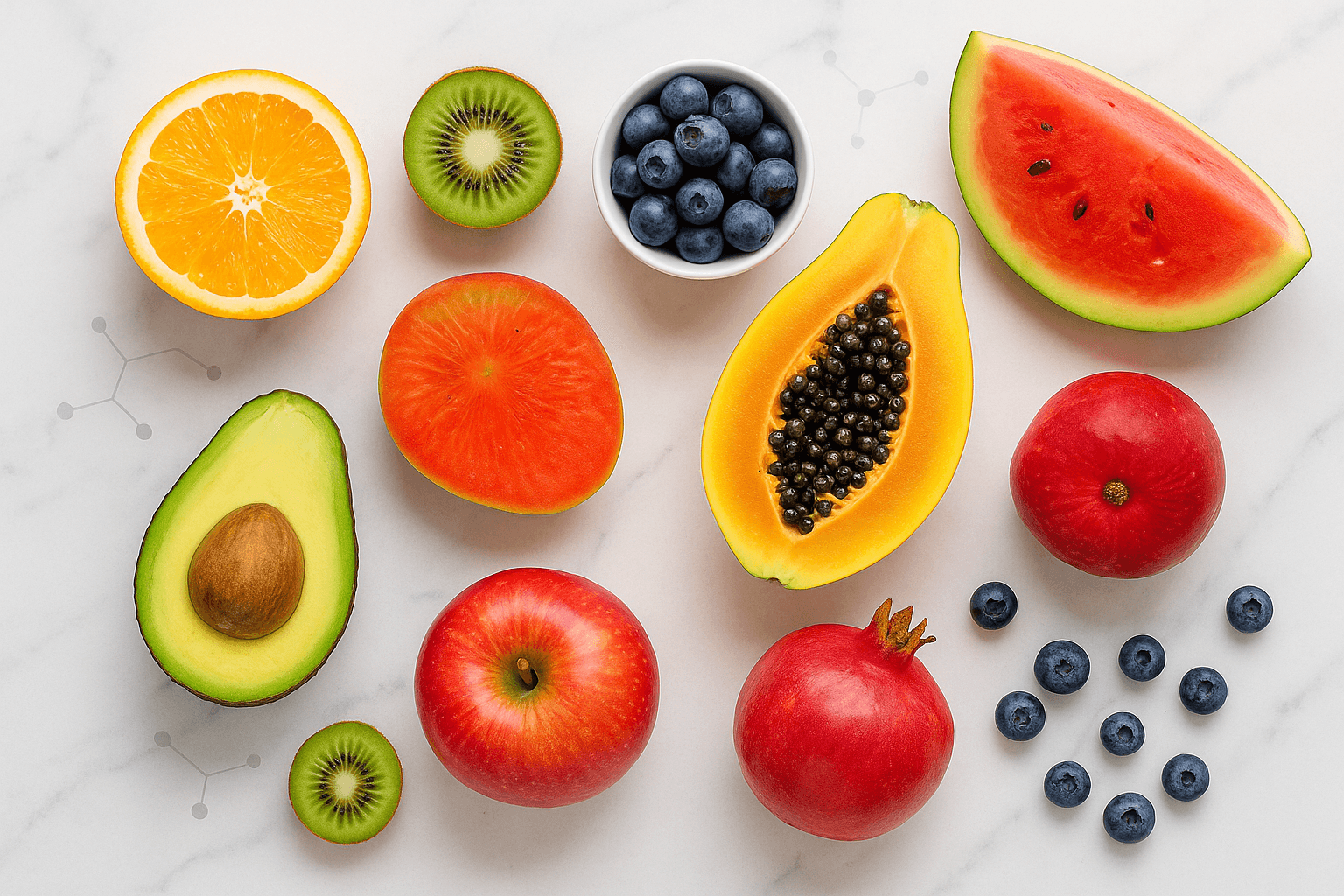
Overall, research shows that nutrition plays a vital role in skin health. Fruits provide vitamins, antioxidants, enzymes, fiber and healthy fats that support collagen synthesis, protect against oxidative damage and maintain hydration. Citrus and kiwi supply vitamin C for collagen; papaya offers natural exfoliation via papainphcogrev.com; berries shield against UV damage and promote elasticitypmc.ncbi.nlm.nih.gov; watermelon hydrates and provides lycopenehealthline.com; apples support gut health and reduce inflammationhealthline.com; avocado and pomegranate offer healthy fats and polyphenols for elasticity and protectionhealthline.compmc.ncbi.nlm.nih.gov; and grapes deliver resveratrol, an anti‑aging compoundmdpi.com. By incorporating these healthy skin science fruits into your daily routine, you nourish your skin from the inside out, leading to a natural, glowing complexion.
Frequently Asked Questions (FAQ)
Q1. Can eating fruits really improve my skin more than topical creams?
Yes. Clinical studies show that consuming vitamin‑rich fruits increases skin vitamin C levels, collagen production and thickness more effectively than topical applicationscitechdaily.com. Topical products may provide temporary benefits, but dietary nutrients support skin from within.
Q2. How long does it take to see results from eating healthy skin science fruits?
Most clinical trials report improvements after 4–10 weeks of consistent intakepmc.ncbi.nlm.nih.govhealthline.com. Be patient, and combine fruit consumption with overall healthy habits (sleep, hydration, stress management).
Q3. Are supplements as effective as whole fruits?
Whole fruits offer a complex matrix of vitamins, minerals, fiber and phytochemicals that work synergistically. Supplements may isolate one nutrient but miss the synergistic benefits. Always prioritize whole fruits and consult your healthcare provider before taking supplements.
Q4. Can people with diabetes consume these fruits?
Many of these fruits have low to moderate glycemic indexes, especially berries and apples. However, individuals with diabetes should monitor portion sizes and consult a healthcare professional. Opt for whole fruits over juices to benefit from fiber.
Q5. Is it possible to eat too much fruit?
While fruits are nutritious, moderation matters. Excessive fruit intake may contribute to excess sugar consumption. Aim for two to four servings of fruit per day and include a variety of vegetables, whole grains, proteins and healthy fats for a balanced diet.
Q6. What if I’m allergic to one of these fruits?
If you have a fruit allergy (e.g., kiwi, papaya or citrus), avoid that fruit and focus on other options. Always consult an allergist if you suspect a food allergy.