Best Foods for Hair Growth: Feed Your Locks From the Inside Out
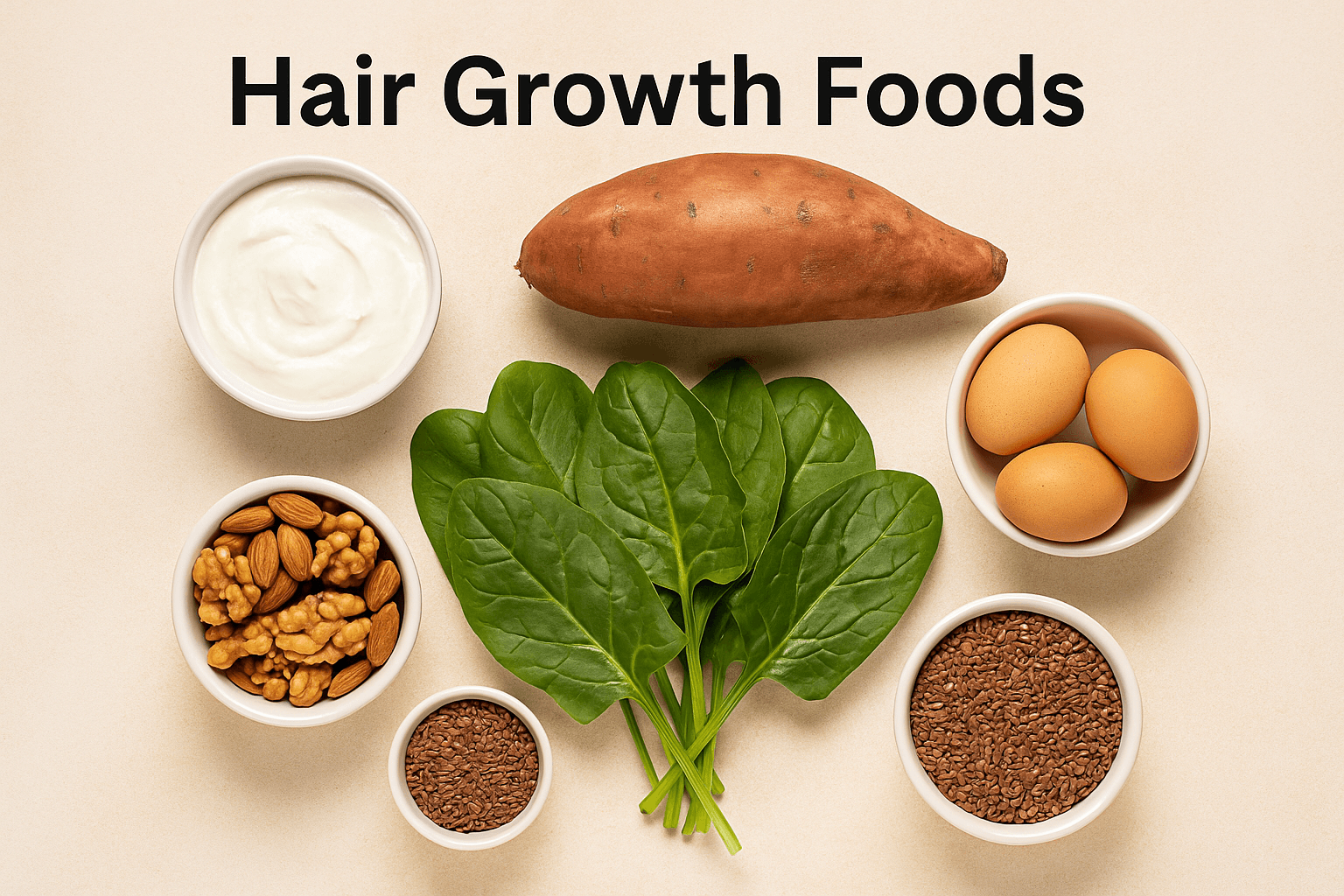
Shiny, resilient hair isn’t just a matter of genetics or the products you put on your scalp — it’s also deeply tied to what you eat. Hair follicles are among the most rapidly dividing cells in your body, meaning they require a constant supply of nutrients to stay strong and produce new strands. A poor diet or deficiencies in key vitamins and minerals often show up as brittle hair, increased shedding or slowed growthhealth.clevelandclinic.org. By contrast, a well‑balanced plate can provide the building blocks to encourage healthy growth and protect your strands from damage. This guide dives into hair growth foods — nutrient‑dense ingredients that support keratin production, improve scalp circulation and minimize follicle stress. You’ll find out why nutrition matters, the best foods to add to your diet and tips for long‑term hair health.
Why Nutrition Matters for Hair Growth
Hair is primarily made of keratin, a structural protein. Protein intake therefore plays a key role in growing and maintaining healthy strandstimesofindia.indiatimes.com. When you don’t consume enough protein or essential micronutrients, hair follicles can enter a resting phase, leading to increased shedding. Registered dietitians note that good nutrition is a powerful tool for minimizing hair loss, and foods promoted by plant‑forward diets like the Mediterranean diet — rich in lean proteins, whole grains, fruits, vegetables and healthy fats — offer an ideal balance for hair healthhealth.clevelandclinic.org. Essential vitamins and minerals such as iron, zinc, selenium, vitamin D, B vitamins (including biotin and folate) and antioxidant vitamins C and E all play specific roles in the hair growth cycletimesofindia.indiatimes.com. A deficiency in any one of these can stall the growth process or weaken the hair shafttimesofindia.indiatimes.com. The following sections explore the top foods that supply these nutrients in abundance.
Top Hair Growth Foods – Best Foods for Stronger, Thicker Hair
The best diet for your hair includes a variety of whole foods rather than relying on supplements. Not only do whole foods deliver nutrients in forms your body can readily absorb, but they also provide complementary compounds (fiber, phytonutrients and antioxidants) that work together to support overall health. Here are some of the most powerful hair growth foods and why they deserve a spot on your plate.
Eggs – Protein & Biotin for Hair Growth and Stronger Hair
Eggs deliver high‑quality protein — the raw material for keratin — along with a spectrum of vitamins and minerals. Health researchers note that eggs contain both protein and biotin, two essentials for healthy hair growthhealthline.com. Protein supplies the amino acids that form keratin, and biotin acts as a cofactor for enzymes involved in keratin productionhealthline.com. In fact, people with biotin deficiency often experience thinning or brittle hair, and supplementation can reverse hair loss in those caseshealthline.com. Egg yolks are also rich in zinc, selenium and choline, nutrients that improve scalp circulation and protect follicleshealthline.com. Aim for one or two eggs a day in your breakfast or incorporate them into salads and bowls. Cooking methods such as boiling or poaching preserve the delicate nutrients without excess added fat. If you’re concerned about cholesterol, balance eggs with other protein sources like legumes and fish.
Spinach and Dark Leafy Greens – Iron, Folate and Vitamins A & C for Stronger Hair Growth
Dark leafy greens like spinach, kale and arugula supply folate, iron and vitamins A and C, all of which are important for hair growthhealthline.com. Vitamin A regulates sebum production, folate aids new cell formation and iron delivers oxygen to the rootshealthline.com. One cup of raw spinach meets about 20 % of your daily vitamin A needshealthline.com; enjoy it in salads, smoothies or sautés and pair it with vitamin C to improve iron absorption.
Fatty Fish – Omega‑3s and Vitamin D for Thicker Hair Growth
Fatty fish like salmon, mackerel and herring supply omega‑3 fatty acids, protein, selenium and vitamin D, nutrients that collectively support healthy hairhealthline.com. Omega‑3s reduce inflammation around follicles and vitamin D helps regulate the hair cyclehealthline.com. Aim for two servings per week; vegetarians can use plant sources such as flaxseeds and chia seeds, although their omega‑3s are less bioavailablehealthline.com.
Nuts and Seeds – Vitamin E, Zinc and Healthy Fats for Healthier Hair Growth
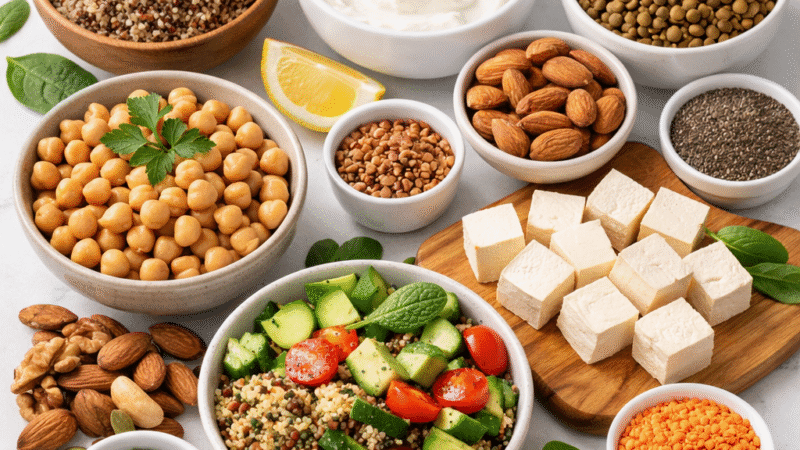
Nuts and seeds pack an impressive array of nutrients in a small package. Almonds, walnuts, flaxseeds and sunflower seeds offer vitamin E, B vitamins, zinc and seleniumhealthline.com. Vitamin E acts as an antioxidant to protect hair follicle cells from oxidative damage. In one study, individuals with hair loss experienced about 34 % more hair growth after taking a vitamin E supplement for eight monthshealthline.com. Zinc helps regulate the hair growth and repair cycle, and selenium supports thyroid function, which indirectly influences hair health. Seeds like flax, chia and hemp also provide omega‑3 fatty acids; two tablespoons of ground flaxseed contain roughly 4.7 grams of omega‑3shealthline.com. A small handful (about 1 ounce) of mixed nuts or seeds makes an excellent daily snack. You can also sprinkle them over yogurt, salads or oatmeal for added crunch and nutrition.
Sweet Potatoes – Beta‑Carotene for Healthy Scalp and Thicker Hair
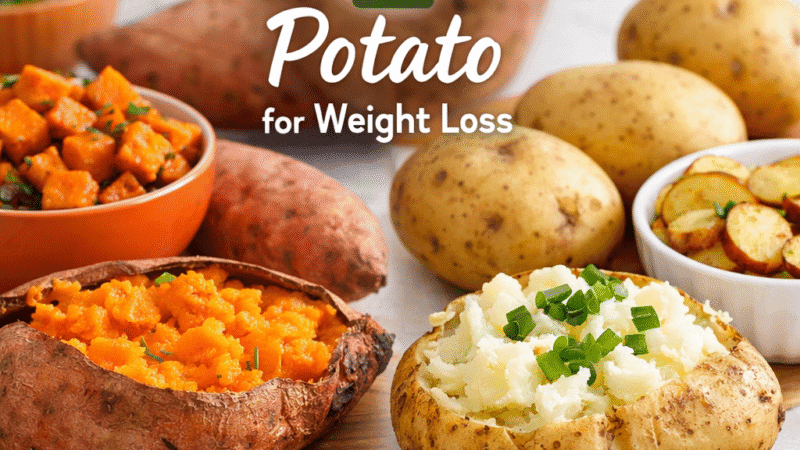
Sweet potatoes are rich in beta‑carotene, a carotenoid pigment your body converts to vitamin A. A medium sweet potato (about 114 grams) provides up to 160 % of your daily vitamin A needshealthline.com. Vitamin A plays a significant role in regulating sebum production and supporting the growth of tissues, including hair. Research suggests that adequate vitamin A helps keep scalp skin and hair follicles healthy, but too much vitamin A (often from supplements) can paradoxically contribute to hair losshealthline.com. Including sweet potatoes in your diet can support a well‑moisturized scalp and prevent the flakiness that often leads to breakage. Roast them as wedges, mash them into a creamy side dish or add them to stews and curries for natural sweetness.
Berries – Antioxidants and Collagen Support for Strong Hair Growth
Berries — including strawberries, blueberries, raspberries and blackberries — deliver a potent dose of antioxidants and vitamin C. Vitamin C helps synthesize collagen, a structural protein that strengthens hair and prevents breakagehealthline.com. A cup of strawberries provides 85 milligrams of vitamin C, meeting more than 100 % of your daily requirementhealthline.com. Antioxidants in berries help neutralize free radicals, unstable molecules that damage cells and contribute to premature graying and hair losshealthline.com. Enjoy berries fresh or frozen in smoothies, yogurt bowls or salads. Their natural sweetness can also curb cravings for processed sugars, which may trigger inflammation that negatively affects hair growth.
Avocados – Vitamin E and Healthy Fats for Hair Growth and Thickness
Avocados are delicious, versatile fruits loaded with healthy monounsaturated fats and vitamin E. One medium avocado (around 200 grams) provides about 28 % of the daily recommended intake of vitamin Ehealthline.com. Vitamin E is an antioxidant that helps protect the scalp from oxidative stress and may encourage hair growth; a study cited by Healthline reported a 34.5 % increase in hair growth among participants taking vitamin E supplementshealthline.com. Avocados also supply folate and other B vitamins, which support cell turnover in hair follicles. Spread avocado on whole‑grain toast, blend it into smoothies for creaminess or use it as the base for a nourishing hair mask.
Greek Yogurt – Protein, Probiotics and B Vitamins for Strong, Thick Hair
Greek yogurt delivers high‑quality protein and B vitamins such as pantothenic acid that support scalp circulationverywellhealth.com. Its probiotics also promote gut health, aiding nutrient absorption. Add a serving to breakfast or snacks for protein, calcium and vitamin D; dairy‑free versions with added protein and cultures are suitable for vegans.
Beans and Lentils – Plant Protein, Iron and Zinc for Hair Growth
Beans, lentils and chickpeas provide plant protein, iron, zinc and folate — nutrients essential for hair growthhealthline.com. A 100‑gram serving of black beans supplies about 14 % of daily zinc needs for womenhealthline.com. Enjoy legumes in soups, stews or salads and pair them with vitamin C–rich foods to improve iron absorption. <!– Oysters and shellfish section removed to streamline the article and focus on other key foods. –> <!– Whole grains and buckwheat section removed for brevity. –> <!– The fruits and vegetables high in vitamin C and beta‑carotene section was removed to reduce length and avoid repetition. –> <!– Other beneficial foods section has been removed for conciseness. –>
Dietary Tips and Lifestyle Habits for Stronger, Thicker Hair Growth
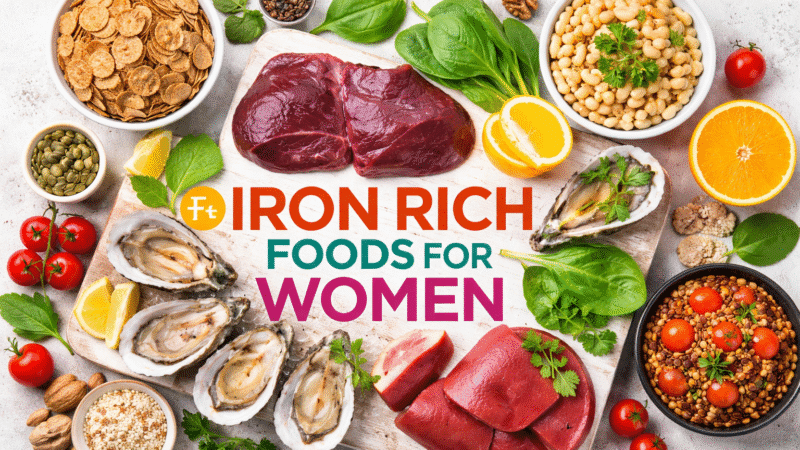
Support hair health by eating balanced, nutrient‑dense meals and avoiding crash diets that trigger sheddingtimesofindia.indiatimes.com. Drink plenty of water to keep the scalp hydratedhealth.clevelandclinic.org. Pair iron‑rich foods with vitamin C to improve absorptionhealthline.com and choose healthy fats like avocado, nuts and olive oil instead of processed oilstimesofindia.indiatimes.com. Emphasize whole foods over supplements; excess vitamin A or zinc may trigger hair losshealth.clevelandclinic.orghealthline.com. Manage stress and treat your hair gently — regular exercise, adequate sleep and avoiding tight styles or excessive heat create an environment where it can thrive.
Frequently Asked Questions (FAQ)
Do hair growth foods really work?
These foods deliver the vitamins, minerals and proteins hair follicles need to produce keratin and sustain growth. They won’t override genetics, but a nutrient‑rich diet can minimize deficiency‑related hair loss and improve strength and shine when eaten consistently over several monthshealth.clevelandclinic.org.
How long does it take to see results from dietary changes?
Hair grows roughly half an inch each month. It often takes 2–3 months for dietary improvements to show because existing strands must complete their cycle before new growth appears.
Can vegetarian or vegan diets support hair growth?
Yes. Plant proteins, nuts, seeds, legumes and fortified foods provide the protein, iron, zinc and omega‑3s needed for healthy hair; just pair plant‑based iron sources with vitamin C for better absorptionhealthline.com.
Are biotin supplements necessary?
Usually not. Biotin deficiency is uncommon, and most people get enough by eating eggs, nuts and sweet potatoes; large doses of supplements can interfere with lab tests and should be avoided unless a doctor advises otherwisehealthline.com.
What other lifestyle factors affect hair growth?
Stress, hormones, medications and scalp health all play roles. Managing stress, sleeping well, exercising regularly and using gentle hair care complement a nutrient‑rich diet for optimal growth.
Conclusion
Healthy hair begins on your plate. Eating a varied diet rich in hair growth foods — such as eggs, leafy greens, fatty fish, nuts, seeds, sweet potatoes, berries, avocados, beans and yogurt — provides the amino acids, vitamins, minerals and healthy fats your follicles need to thrive. While no single food is a miracle cure, the combined effect of these nutrients can make a noticeable difference in hair strength, shine and growth rate over time. Focus on whole foods rather than supplements, stay hydrated, pair iron with vitamin C for better absorption and manage lifestyle factors like stress and styling. By nurturing your body from the inside out, you’ll cultivate a healthier scalp and a more confident crown.