How to Heal Your Gut with Food
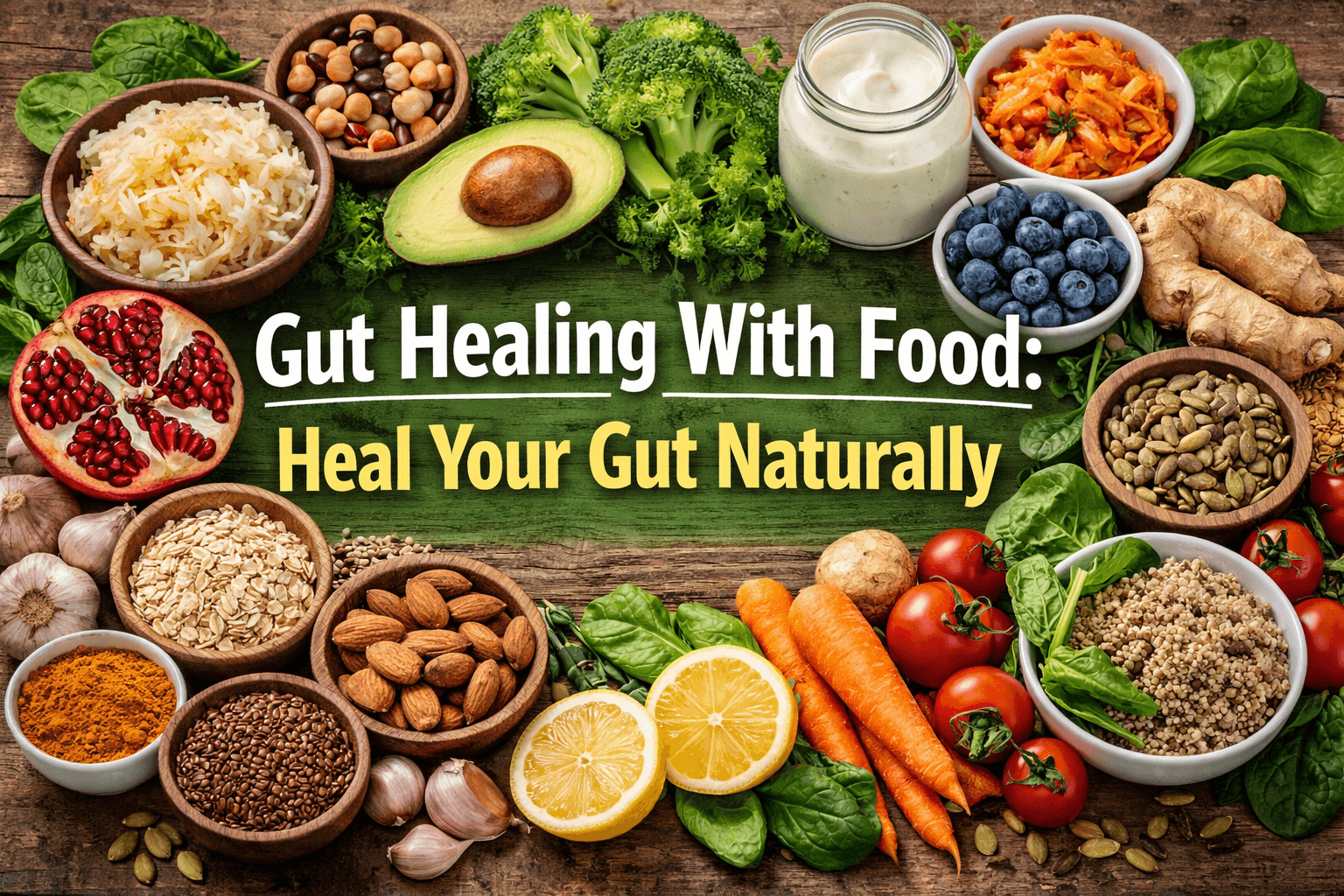
Trillions of microbes live along the digestive tract – bacteria, fungi and other tiny organisms collectively called the gut microbiota. These communities help you digest food, absorb nutrients, produce vitamins and metabolites, regulate appetite and support your immune system. This is why Gut Healing With Food plays a critical role in keeping your microbiome healthy. Moreover, a balanced microbiota also keeps harmful bacteria in check. However, when this balance is disrupted by poor diet, stress, medications or environmental toxins, harmful bacteria can dominate, leading to inflammation, bloating, gas, abdominal pain and even systemic problems.
To begin with, healing your gut starts with what you put on your plate. Diets high in processed foods, saturated fat, simple sugars and alcohol promote the growth of bad bacteria. In contrast, fiber‑rich plant foods and fermented foods feed beneficial microbes and encourage diversity. Gut Healing With Food is about choosing foods that nourish your microbiota, repair the intestinal lining and reduce inflammation while limiting foods that fuel dysbiosis.
Signs your gut may need healing naturally with food
- Persistent bloating, gas or constipation/diarrhea
- Food sensitivities or unexplained skin issues (e.g., eczema)
- Frequent colds or low immunity
- Mental fog, mood swings or anxiety – the gut–brain axis means gut inflammation can affect neurotransmitters
- Autoimmune conditions (e.g., rheumatoid arthritis, IBD) or chronic fatigue
If you experience severe pain, blood in your stool, unintended weight loss or persistent changes in bowel habits, consult a healthcare professional. Otherwise, dietary and lifestyle strategies can help restore balance.
The science behind Gut Healing With Food and the microbiome
Emerging research highlights diet as the most powerful tool for rebuilding a depleted microbiome. In an experiment described by the Simons Foundation, mice given a nutrient‑balanced diet recovered their microbiome within a week after antibiotics, whereas mice fed a Western diet high in simple sugars experienced an almost complete loss of microbial diversity and one bacterial species dominated for weeks. The study also showed that a fecal microbiota transplant worked only when coupled with a healthy diet; on a Western diet the transplant “didn’t stick”. These findings underscore that no supplement or transplant can replace a diet rich in whole foods.
Core principles of gut healing with food
First, prioritize fiber and plant diversity. Fiber feeds your beneficial bacteria, yet up to 95 % of Americans don’t consume enough. Aim for at least 25–35 g of fiber per day by eating a rainbow of fruits, vegetables, whole grains, beans, legumes, nuts and seeds.
Second, include both prebiotics and probiotics. Prebiotics are indigestible fibers that fuel good bacteria; probiotics are live beneficial microorganisms in fermented foods. Consuming both supports a diverse microbiome.
Third, use anti‑inflammatory, nutrient‑dense foods. Certain foods like bone broth, omega‑3‑rich fish, ginger and raspberries contain compounds that repair the intestinal lining and reduce inflammation.
Fourth, limit foods that harm the microbiome. Processed foods high in added sugars, artificial sweeteners, salt and unhealthy fats lack the fiber and polyphenols your microbiota need. They can encourage opportunistic bacteria and impair recovery after antibiotics.
Finally, adopt supportive lifestyle habits. Regular exercise, stress management, adequate hydration and sleep influence gut health by regulating motility and immune responses.
Below is a guide to specific foods and habits to help you heal your gut naturally.
Gut health diet: Fill your plate with fiber‑rich plants
To start, high‑fiber foods are the cornerstone of a gut‑healing diet. Fiber acts as a prebiotic, feeding beneficial bacteria and enabling them to produce short‑chain fatty acids that strengthen the intestinal barrier.
Fruits and vegetables for gut healing
For example, fresh fruits and vegetables supply soluble and insoluble fiber along with vitamins and polyphenols. According to Harvard Health, common prebiotic vegetables include asparagus, artichokes, leeks, garlic, onions, sweet potatoes, corn and pumpkin, while fruits like bananas, apples and berries also provide prebiotic fibers. The University of Utah adds that fresh fruits and vegetables, whole grains, beans and legumes, and nuts and seeds are excellent fiber sources. Raspberries deserve special mention: one cup provides 8 g of fiber and is rich in polyphenols that act as prebiotics. Studies suggest that eating raspberries can improve insulin sensitivity and increase beneficial bacteria.
Whole grains and legumes for gut health
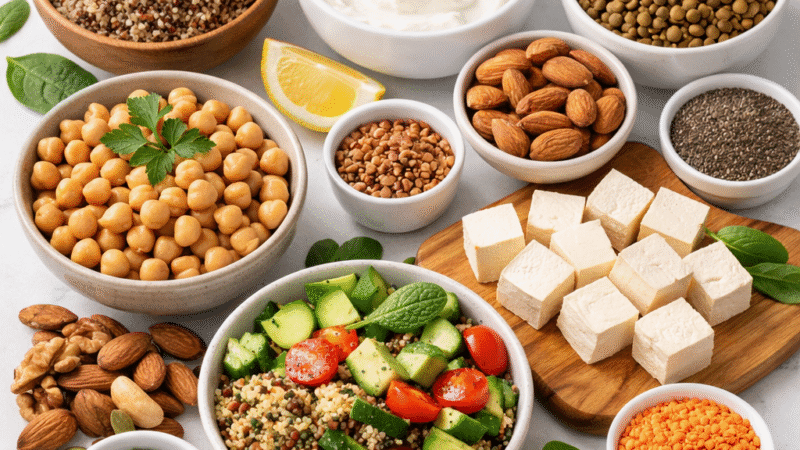
Similarly, whole grains like oats, barley and whole‑wheat products and legumes such as beans, lentils and peas are prebiotic powerhouses. Beans and legumes ferment in the colon, feeding bacteria and producing beneficial gases, so don’t let occasional flatulence deter you. Mix black beans into tacos, make lentil soup, and snack on roasted chickpeas for a satisfying fiber boost. Diversity is key—rotate different grains and legumes throughout the week.
Nuts and seeds for gut health
Additionally, nuts and seeds offer fiber, healthy fats and minerals. Almonds, pistachios, chia seeds and flaxseeds are particularly high in prebiotic fiber and polyphenols. Sprinkle them on oatmeal, yogurt or salads, or make a chia pudding with plant milk for a gut‑friendly breakfast. Chia and flax seeds also provide omega‑3 fats, which have anti‑inflammatory effects.
Embrace prebiotic foods for Gut Healing With Food
Specifically, these are fibers that nourish gut microbes. They include inulin, fructooligosaccharides (FOS) and galactooligosaccharides. Instead of memorizing scientific names, focus on whole foods rich in these fibers.
- Jerusalem artichokes (sunchokes): For instance, over 80 % of their carbohydrates are inulin, making them one of the richest prebiotic foods. Roast them with olive oil or slice raw into salads.
- Leeks: Similarly, one cup provides 1.6 g of fiber and is high in fructans. Use leeks in soups or sautéed dishes.
- Onions and garlic: Likewise, these kitchen staples contain inulin, FOS and other prebiotics. Garlic’s inulin and FOS are linked to benefits for cancer, cardiovascular and metabolic health. Add chopped onions and garlic to sautés, roasted vegetables and soups.
- Asparagus: In particular, asparagus is loaded with fructans and antioxidants; roasting or shaving raw asparagus into salads adds a prebiotic punch.
- Pears, bananas and apples: Moreover, pears contain pectin and fiber; bananas provide resistant starch when slightly green, and apples offer soluble fiber and polyphenols.
Aim to include prebiotic foods daily to fuel beneficial bacteria. Variety ensures that different microbial species are fed and promotes resilience.
Add fermented foods and probiotics for gut healing
Moreover, probiotic‑rich fermented foods introduce live beneficial microbes into your gut and provide enzymes, vitamins and compounds that aid digestion. Harvard Health notes that fermented foods such as yogurt, kefir, kimchi, kombucha, miso and tempeh are common sources of probiotics.
Fermented vegetables for gut health
- Sauerkraut: For example, sauerkraut made from cabbage and salt delivers a healthy dose of probiotics and fiber. Salt‑fermented vegetables like sauerkraut exhibit greater microbial diversity than other fermented foods. Choose refrigerated, unpasteurized varieties because heat and canning destroy beneficial bacteria.
- Kimchi: Likewise, this spicy Korean dish of fermented cabbage and vegetables contains probiotics and may support weight loss, reduce eczema and does not increase hypertension risk, according to a 2024 review. Add kimchi to rice bowls, burgers or tacos for a flavorful probiotic boost.
dairy and plant drinks for gut healing
- Kefir: In addition, this fermented milk drink is rich in calcium and probiotics. A 2021 review suggests that kefir may benefit diabetes, cardiovascular and neurological disorders. Kefir is also easier to digest than milk because the bacteria break down lactose. Enjoy kefir plain or in smoothies.
- Kombucha: Similarly, this tangy, effervescent tea fermented with yeast and bacteria contains antioxidants in addition to probiotics. It sometimes contains small amounts of alcohol; pregnant women should avoid unpasteurized kombucha. Swap soda for kombucha to reduce intake of artificial sweeteners and added sugars.
Fermented soy products and miso for gut healing
- Miso: Additionally, this fermented paste made from soybeans, barley or rice adds umami flavor to soups and sauces. A 2020 study found an association between higher intakes of miso and a reduced risk of mortality. Use miso in broths, salad dressings and marinades.
- Tempeh: Moreover, this fermented cake of soybeans is a complete plant protein and provides probiotics. It has been linked to potential benefits for gut health, cancer, cognitive function, cardiovascular health and type 2 diabetes. Sauté tempeh for stir‑fries or add to salads and grain bowls.
Yogurt for gut health
Furthermore, yogurt is produced by fermenting milk with cultures such as Lactobacillus and Bifidobacterium. Products labeled “live & active cultures” guarantee at least 100 million probiotic cultures per gram. Yogurt consumption is associated with reduced risk of breast and colorectal cancers and type 2 diabetes and improved cardiovascular, bone and gut health. Choose plain, unsweetened yogurt to avoid added sugars; dairy‑free and vegan yogurts containing probiotics are also available. Use yogurt in smoothies, parfaits or as a base for dressings.
Nourish your gut with collagen‑rich and anti‑inflammatory foods
Beyond these staples, other nutrient‑dense foods help repair the intestinal lining and reduce inflammation.
Bone broth for gut healing
For instance, bone broth contains gelatin and collagen, which support the mucosal lining and aid digestion. It also provides amino acids like glycine and glutamine that help repair leaky gut. Additionally, glucosamine in bone broth supports a healthy inflammatory response and stimulates growth of new gut cells. Drink homemade bone broth or choose high‑quality ready‑made varieties to reap these benefits.
Coconut for gut health
Additionally, coconut oil, cream and yogurt are antimicrobial, antifungal and antiviral. They contain medium‑chain triglycerides (MCTs) that aid nutrient absorption and may help manage small intestinal bacterial overgrowth (SIBO) and Candida. Coconut yogurt provides probiotics along with healthy fats.
Peppermint for gut health
Similarly, peppermint has antispasmodic properties. Its menthol relaxes intestinal muscles, reducing gas, pain and constipation in irritable bowel syndrome (IBS) as effectively as prescription antispasmodics. Use peppermint tea or fresh mint in salads and smoothies to soothe digestive discomfort.
Raspberries, lemon and citrus for gut healing
Likewise, a cup of raspberries offers fiber and polyphenols, improving insulin sensitivity and increasing beneficial bacteria. In addition, lemons provide vitamin C, an antioxidant that suppresses inflammation and supports immune function. Moreover, lemons also contain pectin, a prebiotic fiber, and help stimulate bile production and digestion. Blend peeled whole lemons into water or smoothies to utilize both juice and fiber.
Salmon and omega‑3‑rich fish for gut health
Furthermore, wild fatty fish such as salmon deliver omega‑3 fatty acids and vitamin D. Omega‑3s reduce inflammation and increase healthy bacteria, potentially reversing metabolic disorders and colorectal cancer. Adequate vitamin D lowers inflammation and promotes friendly bacteria. Grill or bake wild‑caught salmon several times per week.
Ginger for gut healing
Moreover, ginger has long been used to ease nausea and digestive complaints. It can relieve stomach cramps, bloating and constipation associated with IBS and prevent heartburn. Ginger may also help with nutrient absorption and kill harmful bacteria. Use grated fresh ginger in stir‑fries, teas or smoothies.
Apple cider vinegar for gut healing
Finally, apple cider vinegar (ACV) is a natural antimicrobial that inhibits bacteria high in lipopolysaccharides, which increase intestinal permeability. ACV also helps your body produce hydrochloric acid (stomach acid), improving digestion. Add a tablespoon of ACV to water as a tonic or use it in salad dressings.
Lifestyle habits that complement a gut‑healing diet
Stay active for gut health
Importantly, regular physical activity promotes healthy bowel movements and a balanced microbiome. The Centers for Disease Control and Prevention recommend at least 150 minutes of moderate exercise per week plus two days of muscle‑strengthening. Exercise also reduces stress and inflammation.
Manage stress for gut health
Furthermore, emotional and psychological stress affects the gastrointestinal tract. Incorporate stress‑reduction practices such as mindfulness meditation, yoga, deep breathing or time in nature. Chronic stress disrupts gut motility and increases permeability.
Hydrate for gut health
Additionally, water shapes the gut microbiome; drinking adequate water is essential for digestion and microbial balance. Aim for at least 8 cups a day, more if active or in hot weather. Herbal teas also count.
Get enough sleep for gut healing
Moreover, sleep plays a critical role in gut and overall wellness. Poor sleep correlates with changes in the microbiome and increased inflammation. Try to get 7–9 hours of quality sleep per night.
Moderation matters for gut healing
Finally, adding many high‑fiber foods at once may cause gas and bloating. Introduce new foods gradually and listen to your body. Start with small servings of sauerkraut, kombucha or beans and increase weekly.
Foods and habits to limit or avoid for gut health
Conversely, some foods and behaviors can derail your gut‑healing progress, so it’s important to limit or avoid them.
- Highly processed foods: Processed and refined foods are low in fiber and rich in added sugars, salt, artificial sweeteners and preservatives. They lack the diversity and polyphenols that nourish your microbiota and often contain emulsifiers and additives that may disrupt the gut barrier.
- Western diet high in simple sugars: Diets rich in simple sugars promote dominance of a single bacterial species and impair microbiome recovery after antibiotics.
- Excess alcohol: Alcohol can negatively change the microbiome within 30 minutes and chronic drinking worsens dysbiosis. Limit to one drink per day for women or two for men.
- Artificial sweeteners: Some artificial sweeteners may negatively affect gut bacteria and metabolism. Choose natural sweeteners like honey or stevia in moderation.
- Red and processed meat: High intakes are associated with negative health outcomes; focus on lean proteins and plant‑based sources.
Conclusion
In conclusion, healing your gut isn’t about rigid rules or expensive supplements—it’s about gut healing with food. By focusing on fiber‑rich plants, prebiotics, fermented foods and anti‑inflammatory nutrients, you can feed your microbiota, repair your intestinal lining and reduce inflammation. Lifestyle habits like regular exercise, stress management, hydration and sleep further support a resilient microbiome. Avoiding processed foods, excess alcohol and added sugars removes obstacles to healing. With patience and consistency, your gut microbiome will rebalance, and you’ll likely experience improved digestion, immunity, energy and mood.
Frequently asked questions about Gut Healing With Food
What is the fastest way to heal your gut with food?
Generally, there is no overnight fix, but focusing on whole, fiber‑rich foods, fermented foods and hydration while avoiding processed foods can improve gut health within a few weeks. Research shows that mice on a healthy diet recovered their microbiomes in about one week after antibiotic treatment, highlighting the power of diet.
How often should I eat fermented foods?
Typically, there is no universal recommendation. Aim to include small servings of yogurt, kefir, sauerkraut, kimchi, kombucha or miso daily. Choose products with live cultures and minimal added sugar. Start with a few tablespoons and increase gradually to avoid bloating.
Can I heal my gut without probiotics?
Certainly, probiotic supplements are optional for most people. Eating fermented foods regularly provides a variety of beneficial microbes. Prebiotic fibers are equally important; without them, probiotics can’t thrive.
Are there any risks to adding too much fiber?
However, suddenly increasing fiber intake can cause gas or abdominal discomfort. Increase fiber slowly, drink plenty of water and chew food thoroughly. If you have a digestive disorder, work with a healthcare provider to tailor fiber sources.
Is alcohol always bad for gut health?
Additionally, small amounts of alcohol can fit into a balanced lifestyle, but excessive consumption harms the microbiome and increases intestinal permeability. Enjoy fermented beverages like kombucha instead of sugary cocktails and follow moderation guidelines.