Benefits of Eating Ghee and Jaggery After Meals: 4 Powerful Reasons to Add This Habit
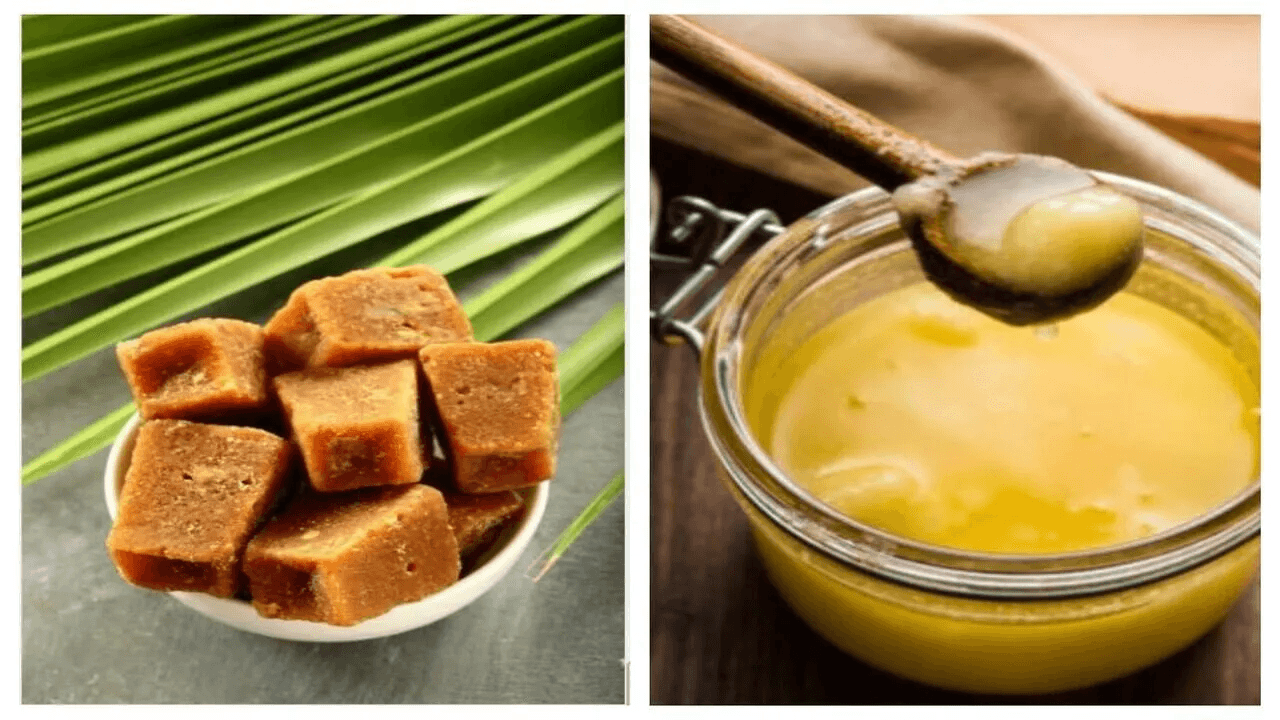
In many Indian households, a meal doesn’t truly end until a tiny morsel of ghee blended with jaggery has been consumed, a ritual long valued for its ghee and jaggery benefits.
Elders believe this ritual aids digestion and “completes” the meal, and mothers slip the sweet mix into their children’s hands in winter to ward off colds. Far from being a random sweet treat, this pairing reflects ancient Ayurvedic wisdom and continues to be loved for the many ghee and jaggery benefits supported by modern studies.
It also speaks to India’s culinary heritage. For centuries, ghee was the cooking fat of choice—used in temples, households and Ayurvedic formulations—and jaggery was prized not only for its sweetness but also its mineral content. Together they symbolize abundance and well‑being. This article breaks down the major ghee and jaggery benefits, explaining why they complement each other and how to incorporate them safely in the modern diet.
Understanding Ghee and Jaggery
Nutritional Highlights: Ghee Health Benefits
Ghee is clarified butter produced by simmering butter until the moisture evaporates and the milk solids separate. What remains is a golden fat rich in fat‑soluble vitamins A, D, E and K and healthy fatty acids. The Times of India notes that ghee contains butyrate, a short‑chain fatty acid that promotes beneficial gut bacteria and acts as a lubricant for the intestinestimesofindia.indiatimes.com. A scientific review adds that butyric acid can strengthen immune function by helping produce killer T cells in the gutpmc.ncbi.nlm.nih.gov. Because ghee is nearly free of lactose and casein, it is often tolerated by those who are sensitive to dairy.
Ghee also contains conjugated linoleic acid (CLA) and omega‑3 and omega‑6 fatty acids. These compounds support energy metabolism, brain function and absorption of vitamins. However, ghee is high in saturated fat and cholesterolpmc.ncbi.nlm.nih.gov. Nutritionists recommend limiting daily intake to about one teaspoon, especially for individuals with heart disease or high cholesterol.
Nutritional Highlights: Jaggery Health Benefits
Jaggery is an unrefined sweetener made by boiling sugarcane juice or palm sap until it solidifies. Unlike white sugar, jaggery retains its natural molasses and minerals. It is high in iron, magnesium, potassium and calciumtwobrothersfood.com—minerals that help maintain healthy hemoglobin levels and reduce fatigue. Because jaggery contains complex carbohydrates, it releases glucose slowly, providing steady energy and preventing spikes and crashestwobrothersfood.com.
Jaggery is traditionally used to aid digestion. A health article notes that it stimulates digestive enzymes and eases indigestion and constipation when consumed after mealstwobrothersfood.com. Its antioxidants and anti‑inflammatory compounds support immune function and help ward off infectionstwobrothersfood.com. Nevertheless, jaggery is still sugar; people with diabetes or insulin resistance should consume it sparingly.
Why Ghee and Jaggery Work Well Together
Ayurveda teaches that ghee and jaggery balance the body’s three doshas—vata, pitta and kapha. From a modern perspective, the combination delivers a balanced nutrient profile: ghee provides fat‑soluble vitamins and healthy fats that aid nutrient absorption, while jaggery offers iron, magnesium and potassium. Times of India explains that when eaten together after a meal, ghee’s butyrate and jaggery’s fiber enhance digestion and reduce bloatingtimesofindia.indiatimes.com. Their antioxidants and minerals work synergistically to strengthen immunity and support overall wellnesstimesofindia.indiatimes.com.
Another reason this pairing makes sense is cultural: Indian meals often end on a sweet note. The ghee–jaggery combo satisfies the palate without the heavy sugar load of modern desserts. It can also reduce cravings for packaged sweets by providing a satiating mix of fat and natural sugar.
Four Powerful Reasons to Enjoy Ghee and Jaggery Benefits After Meals
1. Digestive Benefits: Supports Smooth Digestion
One of the most prominent ghee and jaggery benefits is improved digestion. Ghee acts as a natural lubricant for the digestive tract and helps prevent constipationtimesofindia.indiatimes.com. Its butyric acid fosters a healthy colon lining and encourages beneficial bacteria. Jaggery, meanwhile, stimulates digestive enzymes and helps cleanse the intestinestwobrothersfood.com. When consumed together after meals, ghee and jaggery work synergistically to reduce bloating and indigestion and promote regular bowel movementstimesofindia.indiatimes.com.
To try this benefit, blend about half a teaspoon of ghee with half a teaspoon of jaggery and consume it after your largest meal. If you have digestive disorders, start with even smaller amounts and consult a healthcare professional.
2. Energy & Immunity Benefits: Provides Sustained Energy and Boosts Immunity
The second major category of ghee and jaggery benefits relates to energy and immunity. Ghee supplies medium‑chain triglycerides and other fatty acids that are quickly metabolized for energy. Jaggery’s complex carbohydrates release glucose gradually, preventing sugar crashes and providing a gentle energy lifttwobrothersfood.com. This makes the combination a healthier alternative to refined desserts.
Both ingredients also deliver nutrients vital for immune function. Ghee contains vitamins A, D, E and K as well as antioxidants and CLA, all of which help reduce inflammation and support a strong immune systemtimesofindia.indiatimes.com. A scientific review notes that components of ghee like butyric acid may increase killer T cells in the gut, further boosting immunitypmc.ncbi.nlm.nih.gov. Jaggery contributes iron, zinc and selenium—minerals essential for hemoglobin production and immune responsetimesofindia.indiatimes.com. Its antioxidant compounds fight oxidative stresstwobrothersfood.com. Together, ghee and jaggery can improve resilience against infections and help you feel more energetic.
3. Skin & Detox Benefits: Enhances Skin Health and Supports Natural Detoxification
Consuming ghee and jaggery after meals may also benefit your skin and assist the body’s natural detox pathways. Ghee contains essential fatty acids and vitamin E, which maintain skin hydration and protect against free radical damagetimesofindia.indiatimes.com. Jaggery adds antioxidants and iron that support blood purification and improve circulationtwobrothersfood.comtimesofindia.indiatimes.com. By promoting healthy blood flow and delivering nutrients that combat oxidative stress, the combination can contribute to clearer, more radiant skin.
Ayurvedic practitioners believe that jaggery helps cleanse the body by encouraging the elimination of waste and toxins, while ghee assists in carrying fat‑soluble impurities out of the digestive tract. Times of India suggests that eating ghee and jaggery together after a meal helps flush out toxins and ensures smoother digestiontimesofindia.indiatimes.com. While no food can “detox” the body completely, the nutrients in this pairing support the liver, digestive system and blood, which are essential players in natural detoxification.
4. Helps Regulate Blood Sugar and Supports Metabolic Health
A lesser‑known but important aspect of ghee and jaggery benefits concerns blood sugar balance. Jaggery has a lower glycemic index than white sugar, meaning it releases glucose more slowlytimesofindia.indiatimes.com. This slow release can help prevent sudden spikes and crashes, making it a better choice for those mindful of blood sugar levels. Meanwhile, the CLA and healthy fats in ghee may improve insulin sensitivity and support the metabolism of glucose and fatstimesofindia.indiatimes.com.
Combining a small amount of ghee with jaggery creates a treat that satisfies sweet cravings without overwhelming the body with refined sugar. The fats slow down the absorption of carbohydrates, promoting stable energy and reducing hunger pangs. Individuals with diabetes should still exercise caution and consult a healthcare provider before adding this ritual to their diets.
Additional Considerations
Bone and Hormonal Health
Ghee provides vitamin K2, which helps direct calcium into bones and teeth, while jaggery offers calcium and magnesiumtwobrothersfood.com. This combination, along with ghee’s fat‑soluble vitamins, may support bone density and reduce the risk of osteoporosis. Ghee’s healthy fats also aid the absorption of fat‑soluble hormones, and the minerals in jaggery help maintain hormonal balance and combat anemia.
Portion Size and Quality Matter
Because both ghee and jaggery are calorie‑dense, moderation is key. The Times of India recommends limiting intake to about one to two teaspoons of jaggery and one teaspoon of ghee dailytimesofindia.indiatimes.com. Opt for high‑quality, grass‑fed ghee and unrefined jaggery to maximize nutritional benefits and minimize contaminants. Avoid commercially processed, low‑quality versions that may contain additives.
Who Should Avoid or Limit
- Individuals with diabetes or insulin resistance should consult a doctor before consuming jaggery regularly, as it can raise blood sugar levels despite its lower glycemic impact.
- Those with high cholesterol or cardiovascular disease should limit ghee due to its saturated fat contentpmc.ncbi.nlm.nih.gov.
- People with dairy sensitivity may tolerate ghee better than butter, but allergic reactions can still occur. Begin with very small amounts.
Frequently Asked Questions (FAQ)
1. Can I eat ghee and jaggery every day?
A small daily serving is generally safe for healthy adults. Stick to about a teaspoon of ghee and one to two teaspoons of jaggery and monitor how your body respondstimesofindia.indiatimes.com.
2. Is this combination good for weight loss?
While ghee and jaggery can satisfy a sweet tooth and promote satiety, they are high in calories. Use them sparingly as part of a balanced diet rather than as a weight‑loss tool.
3. Is jaggery better than white sugar?
Yes. Jaggery retains minerals and has a lower glycemic index than refined sugartimesofindia.indiatimes.com, making it a more nutritious option. However, it is still sugar and should be eaten in moderation.
4. Does ghee improve digestion?
Ghee acts as a lubricant for the intestines and contains butyric acid, which supports colon health and encourages beneficial gut bacteriatimesofindia.indiatimes.com. When combined with jaggery after meals, it may help reduce bloating and constipationtimesofindia.indiatimes.com.
5. Are there side effects?
Possible side effects include weight gain and increased cholesterol or blood sugar if consumed in large quantities. Individuals with specific health conditions should consult healthcare professionals before adopting this habit.
Conclusion
Eating a small piece of ghee blended with jaggery after meals is a time‑honored practice that offers multiple ghee and jaggery benefits. By combining fat‑soluble vitamins, healthy fatty acids and antioxidants from ghee with the minerals and complex carbohydrates of jaggery, this duo supports smoother digestion, more sustained energy, better skin health and more balanced blood sugartimesofindia.indiatimes.comtimesofindia.indiatimes.com. Scientific research corroborates many of these benefits, showing that ghee’s butyric acid helps immune function and gut healthpmc.ncbi.nlm.nih.gov, while cautioning against excessive saturated fat intakepmc.ncbi.nlm.nih.gov.
For those who enjoy traditional foods with a purpose, adding a small serving of ghee and jaggery at the end of lunch or dinner can be a comforting and health‑supportive ritual. Choose high‑quality ingredients, keep the portions small and pair this habit with a balanced diet for optimal results. By embracing this simple tradition mindfully, you honor centuries of wisdom while nourishing your body and enjoying the unique ghee and jaggery benefits.