Best Foods for Lean & Toned Muscles for Women

Building lean and toned muscle isn’t just about spending hours in the gym; it’s equally a function of what you eat. Many women want to define their muscles and boost strength without adding excessive bulk. In the United States, where sedentary jobs and processed foods are common, focusing on nutrient‑dense, muscle‑friendly foods can make training much more effective. Research from the International Society of Sports Nutrition recommends 1.4‑2.0 grams of protein per kilogram of body weight per day for individuals who exercise regularly, with up to 3 g per kg for high‑intensity resistance training. Carbohydrates should account for roughly 45 – 55 % of total calories to replenish glycogen and prevent fatigue. This article uses the keyphrase “foods for toned muscles” naturally and explores the best foods to help women build lean muscle, stay energized and recover efficiently.
Understanding Foods for Lean & Toned Muscles in Women
The term toned actually refers to muscle definition combined with a lower level of body fat. Achieving this balance means increasing muscle mass just enough to show definition while keeping body fat in check. For women, there’s often a fear of “bulking up,” but the reality is that moderate strength training and adequate protein will sculpt rather than enlarge muscles. Because women generally have lower testosterone levels than men, building large, bulky muscles requires extremely high training volumes and caloric surpluses. Following a balanced diet with the right foods for toned muscles helps support strength, metabolism, bone health and overall vitality.
High‑Quality Protein Foods for Toned Muscles
Protein provides amino acids needed for muscle repair and growth. Aim for a mix of animal and plant sources to ensure a complete amino acid profile and diversity of nutrients.
Eggs – Muscle‑Toning Food
Eggs are a convenient, versatile staple. One boiled or poached egg provides about 6.3 g of protein and contains leucine—an amino acid critical for muscle protein synthesis. Eggs also supply B vitamins, which help convert food into energy. Opt for cage‑free or pasture‑raised eggs for better omega‑3 content.
Chicken Breast – Lean Food for Toned Muscles
Skinless chicken breast packs roughly 35.5 g of protein per 120 g serving with very little fat, making it ideal for lean muscle building. It is adaptable to salads, stir‑fries or wraps and offers creatine, carnosine and other nutrients that support energy metabolism. Grill or bake it with herbs rather than frying to keep calories in check.
Turkey – Protein Food for Lean & Toned Muscles
Turkey breast is another lean protein option, providing about 26 g of protein per 3 oz (85 g). Like chicken, turkey offers beta‑alanine and creatine, which help muscles perform and recover. Use it in sandwiches or salads for an easy lunch.
Lean Beef – Red Meat for Muscle Tone
Lean cuts of beef supply high‑quality protein along with iron, zinc, B vitamins and creatine. A 3 oz serving of lean ground beef contains roughly 235 calories and 16 g fat when 70 % lean, whereas 95 % lean beef provides similar protein with only 6 g fat. Beef also includes beta‑alanine and carnosine which can reduce muscle fatigue. Enjoy lean steak or ground beef in moderation and combine it with vegetables to control calorie intake.
Fish & Seafood – Omega‑Rich Foods for Lean Muscles
Fatty fish like salmon are nutrient powerhouses. A 227 g salmon steak contains 58.5 g protein along with omega‑3 fatty acids, B vitamins and vitamin D. Omega‑3s may improve muscle growth and reduce inflammation, helping muscles recover more quickly. Canned light tuna supplies about 20 g protein per 3 oz; however, the FDA advises limiting high‑mercury species like bigeye tuna. Other seafood such as cod, trout and sardines provide lean protein and beneficial minerals like iodine, zinc and selenium.
Shrimp – Low‑Fat Protein for Toned Muscles
Shrimp are almost pure protein; a 3 oz serving contains 19 g protein and is rich in the amino acid leucine for muscle growth. They are low in calories and easy to add to stir‑fries or salads.
Dairy & Alternatives – Protein‑Rich Foods for Muscle Tone
Dairy products deliver a mix of fast‑digesting whey protein and slow‑digesting casein. This combination prolongs amino acid availability during recovery.
- Greek yogurt often contains twice as much protein as regular yogurt. Its blend of whey and casein makes it ideal after workouts or before bed. One 100 g portion provides 10.3 g protein.
- Cottage cheese packs around 28 g of protein per cup and contains leucine, which stimulates muscle synthesis. Low‑fat versions reduce calorie intake.
- Skim or 1 % milk offers 8.32 g protein per cup along with calcium and often vitamin D.
- Whey protein powder contains roughly 50 g protein per 86 g serving, while soy protein isolate provides 25 g per 28 g. Use powders when whole‑food intake falls short, but they shouldn’t replace balanced meals.
Plant Proteins – Foods for Toned Muscles
Plant proteins are essential for women who prefer vegetarian or vegan diets. They also supply fiber, vitamins and minerals.
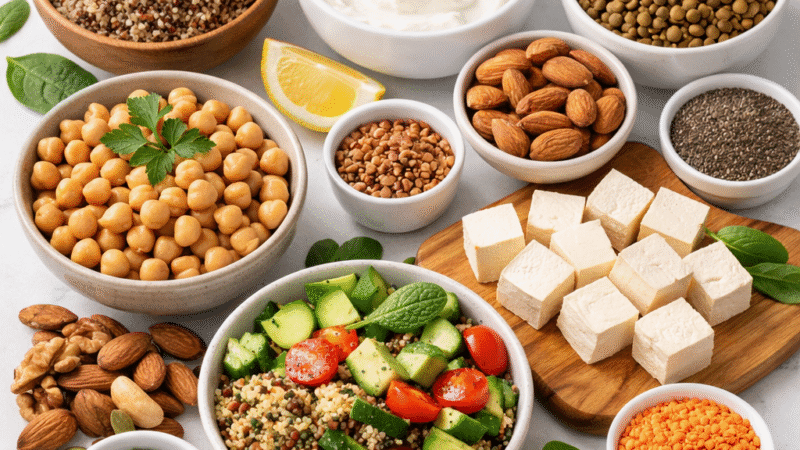
- Soybeans and edamame (immature soybeans) are nutritional all‑stars. Half a cup of cooked soybeans contains 16 g of protein and healthy unsaturated fats, along with vitamin K, iron and phosphorus. Iron is key for oxygen transport and muscle function. A cup of edamame provides 18.5 g protein.
- Tofu offers about 12.7 g protein per 100 g (not quoted earlier but from MNT), making it an excellent replacement for meat in stir‑fries and curries.
- Beans and lentils deliver around 15 g protein per cup and supply fiber, B vitamins, magnesium and iron. They’re also budget‑friendly.
- Chickpeas (garbanzo beans) provide 14.6 g protein per cup and are rich in complex carbohydrates. Use them in salads, stews or as hummus (7.35 g protein per 100 g).
- Quinoa contains 9 – 15.7 g protein per 100 g and boasts a balanced amino acid profile, fiber, vitamins, minerals and antioxidants. As a pseudo‑grain, it’s gluten‑free and provides both protein and energy.
- Nuts and seeds such as almonds, walnuts, chia seeds and pumpkin seeds supply moderate protein along with healthy fats, magnesium and antioxidant vitamin E. Sprinkle them on oatmeal, salads or smoothies.
Energy Foods for Toned Muscles: Carbohydrates & Healthy Fats
While protein builds muscle, carbohydrates replenish glycogen and support intense workouts. Women who train regularly should get 45 – 55 % of their calories from carbohydrates. Choose complex sources:
- Whole grains: Brown rice offers 5.32 g protein per cup and supplies fiber, B vitamins and carbohydrates. Oats, quinoa and whole‑wheat pasta are other good options.
- Fruits and vegetables: Bananas paired with Greek yogurt create a balanced post‑workout snack, while berries, spinach and sweet potatoes provide antioxidants and vitamins.
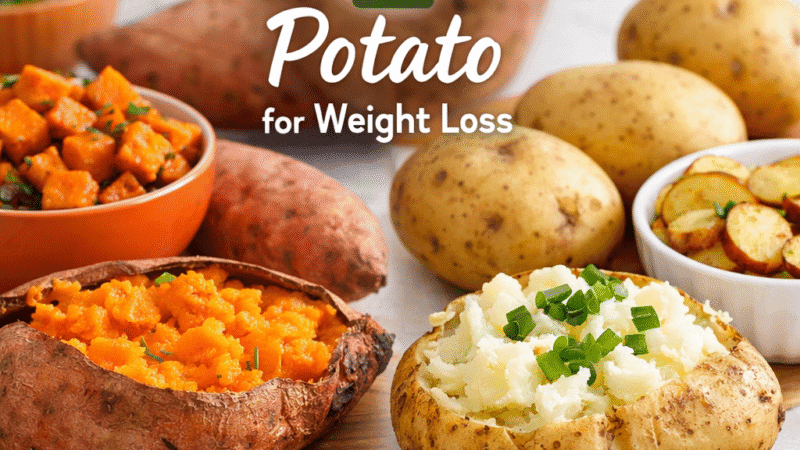
- Starchy vegetables: Sweet potatoes and winter squash supply energy‑providing carbohydrates and beta‑carotene, beneficial for immune health and recovery.
Healthy fats keep hormones balanced and help absorb fat‑soluble vitamins. Include sources such as:
- Avocados for monounsaturated fats and potassium;
- Olive oil for heart‑healthy fats and antioxidants;
- Fatty fish (salmon, sardines) for omega‑3s;
- Nuts and seeds for alpha‑linolenic acid (ALA), magnesium and vitamin E.
Nutrient‑Rich Foods for Muscle Tone: Vitamins & Minerals
Beyond macronutrients, micronutrients play vital roles in muscle contraction, recovery and bone health:
- Iron: Soybeans and beans provide iron that helps transport oxygen and supports muscle metabolism.
- Calcium: Cottage cheese and milk supply calcium for strong bones, crucial when lifting weights. Greek yogurt and cheese also contain calcium but watch saturated fat intake; guidelines recommend limiting saturated fat to 10 % of daily calories.
- Vitamin B complex: Eggs, poultry and fish provide B vitamins that convert food into energy.
- Vitamin D: Fatty fish like salmon contain vitamin D, which supports muscle function and immune health.
- Omega‑3 fatty acids: Fish and walnuts reduce inflammation and may boost muscle growth.
Sample Meal Plan: Foods for Toned Muscles All Day
Breakfast:
- Scrambled eggs with spinach and tomatoes (two eggs provide ~12 g protein).
- One slice of whole‑grain toast.
- Greek yogurt topped with fresh berries and chia seeds (extra protein and omega‑3s).
- Black coffee or green tea.
Mid‑Morning Snack:
- Handful of almonds (about 6 g protein) and a banana.
Lunch:
- Grilled chicken breast salad: 4 oz chicken (~35 g protein) over mixed greens with quinoa, chickpeas and avocado.
- Olive oil and lemon dressing.
Afternoon Snack:
- Cottage cheese (1 cup provides ~24 g protein).
- Sliced apple and a sprinkle of cinnamon.
Dinner:
- Baked salmon fillet (~6 oz, ~46 g protein) seasoned with herbs and olive oil.
- Steamed broccoli and sweet potato mash.
- Side salad with edamame and quinoa.
Evening Option (Post‑Workout/Before Bed):
- Protein smoothie made with whey or soy protein powder (20 – 30 g protein), unsweetened almond milk, frozen berries and a tablespoon of ground flaxseeds.
This plan provides around 120 – 140 g of protein, meeting the ISSN recommendations for a 140 – 150 pound woman engaged in regular training.
Tips & Foods to Support Toned Muscles for Women
- Prioritize strength training: Combine resistance exercises like squats, lunges, push‑ups and weightlifting with cardiovascular training to build muscle and burn fat. Lift moderately heavy weights in the 8 – 12 rep range and focus on progressive overload.
- Eat enough calories: Consuming slightly more calories than you burn helps build muscle. Focus on nutrient-dense foods rather than empty calories. Avoid extreme dieting, which can erode muscle mass.
- Space out protein intake: Distribute protein evenly across meals and snacks to optimize muscle protein synthesis. Adding 20 – 30 g of protein per meal is effective for most women.
- Stay hydrated: Water supports nutrient transport, digestion and joint health. Drink at least 8 cups of water daily, more if you sweat heavily during workouts.
- Get enough sleep: Muscles repair during deep sleep. Aim for 7 – 8 hours per night.
- Adjust for menstrual cycle: Energy levels and nutrient needs may vary throughout the menstrual cycle. During the luteal phase, focus on complex carbs and magnesium‑rich foods to counteract fatigue and cravings.
FAQ: Foods for Toned Muscles & Training
Can eating more protein make women bulky?
No. Women lack the testosterone levels required for significant muscle hypertrophy. Consuming adequate protein (1.4 – 2.0 g/kg body weight) supports recovery and muscle definition without leading to excessive size. Training style and total calorie intake influence muscle size far more than protein alone.
What if I’m vegetarian or vegan?
You can build toned muscles with a plant-based diet. Include soybeans, edamame, tofu, quinoa, beans, lentils and chickpeas for high-quality protein. Nuts, seeds and whole grains add additional protein and healthy fats. Pair plant proteins to ensure a full amino acid profile.
Are protein powders necessary?
Protein powders like whey or soy are convenient but not required. Whole foods—meat, fish, dairy, eggs, beans and grains—should form the core of your diet. Use protein powders if you struggle to meet your daily goal or need a quick post-workout option.
How much carbohydrate do I need?
Carbohydrates fuel workouts and support recovery. General guidelines suggest 45 – 55 % of total calories from carbohydrates. Choose complex sources such as whole grains, fruits, vegetables and legumes to provide sustained energy and fiber.
What about healthy fats?
Including fats from avocados, nuts, seeds, olive oil and fatty fish is crucial for hormone balance and recovery. Omega‑3 fatty acids have anti-inflammatory effects and may promote muscle growth. Avoid trans fats and keep saturated fats below 10 % of your daily calories.
Conclusion
Achieving lean and toned muscles is an attainable goal for women when nutrition aligns with training. Prioritize high-quality proteins—like eggs, chicken, turkey, lean beef, fish, shrimp, Greek yogurt, cottage cheese, soybeans and other legumes—to provide amino acids necessary for muscle repair and growth. Combine these foods with complex carbohydrates and healthy fats to fuel workouts and support recovery. Don’t neglect micronutrients such as iron, calcium and B vitamins, as they support energy production, oxygen transport and bone health. Ultimately, consistent strength training, sufficient sleep, hydration and a balanced diet will help you sculpt a strong, toned body without unwanted bulk. Use this list of foods for toned muscles as your guide, adapt it to your preferences and enjoy the journey to a stronger you.