Foods for Heart Health: 7 Delicious Foods That Support Your Heart
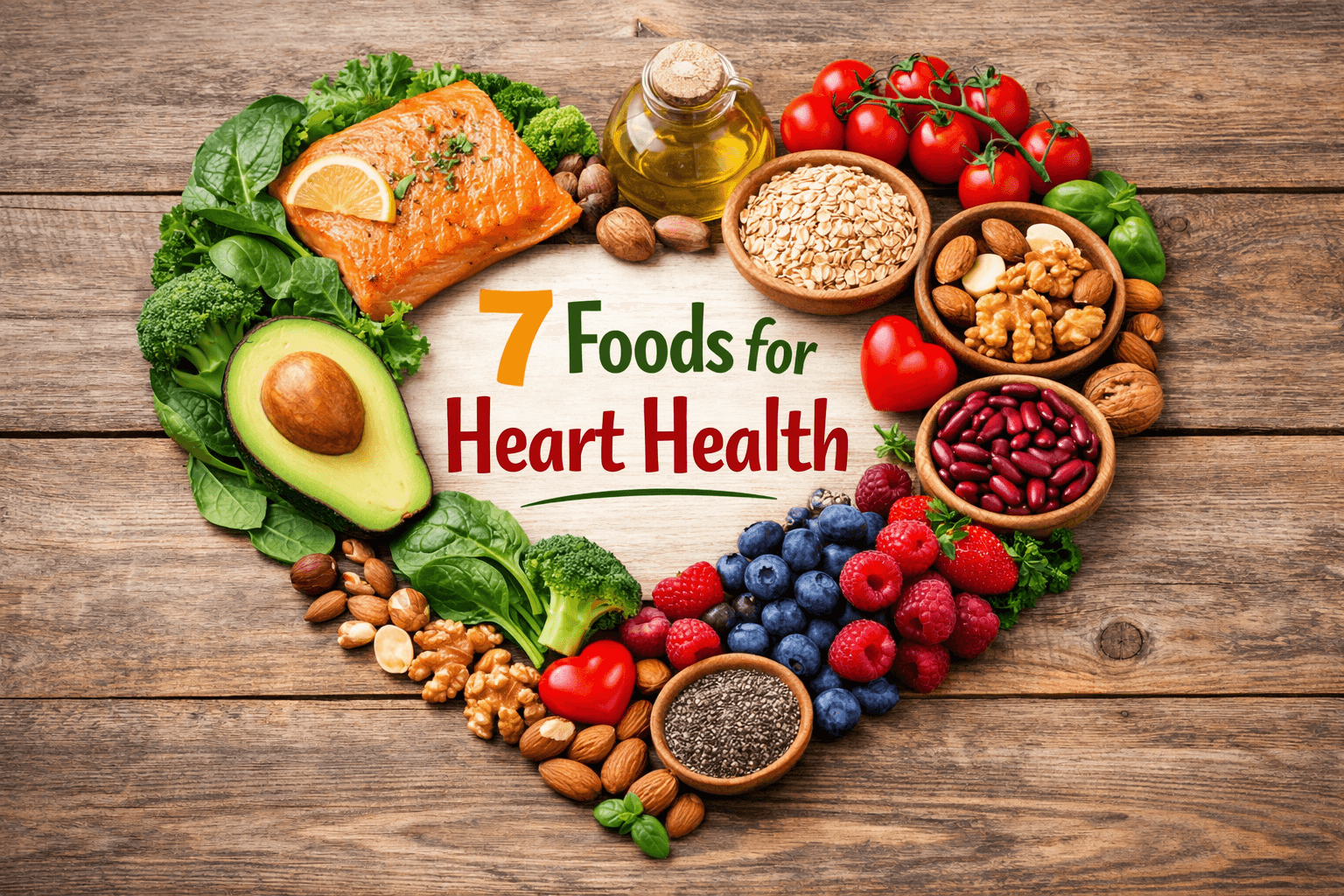
Your heart beats about 100,000 times each day, pumping oxygen‑rich blood to every part of your body. The food you choose either protects that vital engine or puts extra strain on it. Foods for Heart Health go beyond bland diets – they are colourful, satisfying foods that deliver fiber, antioxidants and healthy fats to keep your cardiovascular system running smoothly. In this article we explore seven science‑backed foods that support heart health. You’ll learn why each food works, how to enjoy it, and simple tips to add it to meals. Whether you’re already eating a heart‑friendly diet or just beginning your journey, these Foods for Heart Health will help you nourish your heart and delight your taste buds.
Why diet matters for your heart
Heart disease is influenced by genetics, lifestyle and the foods we eat. Diets rich in fruits, vegetables, whole grains and healthy fats can lower blood pressure, improve cholesterol profiles, reduce inflammation and support healthy weight. These benefits translate into lower risks of heart attacks, strokes and cardiovascular diseases over time. Instead of thinking of a “heart diet” as restrictive, think of it as an invitation to explore the delicious variety of nature’s pantry. The seven foods below – leafy greens, berries, nuts, whole grains, fatty fish, beans and avocados – offer outstanding heart benefits and make every meal more enjoyable.
1. Leafy Greens: Nitrate‑Rich Vegetables for a Healthy Heart
Leafy green vegetables such as spinach, kale, collard greens and bok choy are nutritional superstars. They’re rich in vitamin K, folate and potassium, and they contain powerful plant compounds called nitrates. These nitrates convert to nitric oxide in the body, which helps relax blood vessels and lower blood pressure. A Harvard study found that people who consumed the most nitrate‑rich vegetables (one cup of spinach or lettuce per day) had a 12 – 26 % lower risk of cardiovascular disease. Leafy greens also provide fiber and antioxidants, which help regulate cholesterol and reduce oxidative stress.
How to enjoy leafy greens
- Salads and sides: Toss raw spinach or arugula with lemon juice and olive oil for an easy side salad. Mix kale into soups or stews for heartiness.
- Smoothies: Blend a handful of spinach into smoothies with bananas or berries for a nutrient boost without changing the flavour.
- Sautéed greens: Quickly sauté chard or collard greens with garlic and a splash of olive oil. The healthy fats help absorb fat‑soluble nutrients.
Including leafy greens in your daily routine is one of the simplest foods for heart health strategies. With endless varieties and preparation methods, you’ll never get bored.
2. Berries: Antioxidant‑Rich Bites to Protect Your Heart
Berries – strawberries, blueberries, blackberries and raspberries – are small fruits packed with big benefits. The pigments that give berries their vibrant colours are anthocyanins and other antioxidants. These compounds fight cell damage and inflammation throughout the body, including the heart. Observational studies link higher berry intake with lower cholesterol and blood pressure. Because berries are naturally sweet and high in fiber, they satisfy cravings while keeping blood sugar steady.
How to enjoy berries
- Fresh or frozen: Enjoy a bowl of mixed berries with yogurt or oatmeal. Frozen berries are just as nutritious and often more affordable.
- Toppings and mix‑ins: Sprinkle blueberries on whole‑grain cereal or incorporate raspberries into pancakes and muffins.
- Savory dishes: Add sliced strawberries to spinach salads or blend berries into vinaigrette for a sweet‑tart dressing.
Eating a variety of berries ensures you get a spectrum of antioxidants. Make them a regular part of your snacks and desserts to boost your Foods for Heart Health plan.
3. Nuts: Healthy Fats That Lower LDL Cholesterol
Tree nuts such as almonds, walnuts, hazelnuts and pecans are concentrated sources of monounsaturated and polyunsaturated fats. These unsaturated fats help lower LDL (“bad”) cholesterol while raising HDL (“good”) cholesterol. Large cohort studies following tens of thousands of people for up to 32 years found that eating nuts several times per week is associated with a 30 – 50 % lower risk of cardiovascular disease and sudden cardiac death. Another Harvard analysis showed that people eating one ounce of nuts five or more times per week had a 14 % lower risk of cardiovascular disease and a 20 % lower risk of coronary heart disease compared with those who rarely ate them. Walnuts also contain plant‑based omega‑3 fatty acids that may help prevent erratic heart rhythms.
How to enjoy nuts
- Snack smartly: Keep a small bag of mixed nuts in your bag or desk for a filling snack. Be mindful of portion sizes – about a handful (1 ounce) provides benefits without excessive calories.
- Top salads and oatmeal: Add sliced almonds or chopped pecans to salads, porridge or yogurt for crunch.
- Nut butters: Spread natural almond or peanut butter on whole‑grain toast or use it in sauces. Choose butters without added sugar or trans fats.
Because nuts are calorie‑dense, moderation matters. Pair them with other heart health foods like fruits or whole grains for balanced satiety.
4. Whole Grains: Fiber‑Packed Staples That Regulate Cholesterol and Blood Sugar
Unlike refined grains, whole grains retain their bran, germ and endosperm. The fiber in the bran slows digestion, preventing spikes in blood sugar and helping lower cholesterol. Harvard researchers note that fiber may also help prevent the formation of small blood clots that can trigger heart attacks or strokes. Whole grains are rich in B vitamins, magnesium and antioxidants. A National Heart, Lung, and Blood Institute (NHLBI) study following more than 3,000 middle‑aged adults for 18 years found that participants who ate at least three servings of whole grains daily had smaller increases in waist size, blood pressure and blood sugar compared with those who consumed less than half a serving per day. The researchers emphasised that replacing refined grains with whole grains is key for heart health.
How to enjoy whole grains
- Switch your staples: Choose brown rice, quinoa, barley or oats instead of white rice or refined pasta.
- Bread matters: Look for “100 % whole grain” on bread labels. The first ingredient should be a whole grain such as whole wheat or oats.
- Breakfast boost: Start your morning with oatmeal topped with berries and nuts. The combination delivers fiber, antioxidants and healthy fats – a perfect Foods for Heart Health breakfast.
Whole grains are versatile and satisfying. Gradually replace refined grains with whole‑grain versions to support long‑term cardiovascular health.
5. Fatty Fish: Omega‑3 Powerhouses for Blood Pressure and Rhythm
Fish is a lean protein source that’s naturally low in saturated fat. Fatty fish such as salmon, mackerel, sardines and tuna are rich in omega‑3 fatty acids – EPA and DHA – that help lower blood pressure and triglycerides. A general health article notes that regular consumption of fatty fish can lower diastolic blood pressure and reduce the risk of heart disease. The American Heart Association recommends eating fish, especially fatty fish, at least two servings per week because regular seafood intake is associated with a lower risk of cardiovascular disease. Omega‑3s also reduce inflammation and may help prevent abnormal heart rhythms.
How to enjoy fatty fish Foods for Heart Health
- Simple baked fillets: Season salmon with herbs and lemon, then bake or grill. Pair with roasted vegetables for an easy dinner.
- Canned convenience: Keep canned tuna, sardines or salmon on hand. Add them to salads, wraps or grain bowls.
- Sushi and ceviche: If you enjoy raw fish, sushi and ceviche are delicious ways to get omega‑3s. Choose reputable sources to ensure freshness.
Fish can be intimidating at first, but with a few basic techniques you’ll soon appreciate this flavorful heart health food.
6. Beans and Legumes: Plant Protein That Lowers Cholesterol
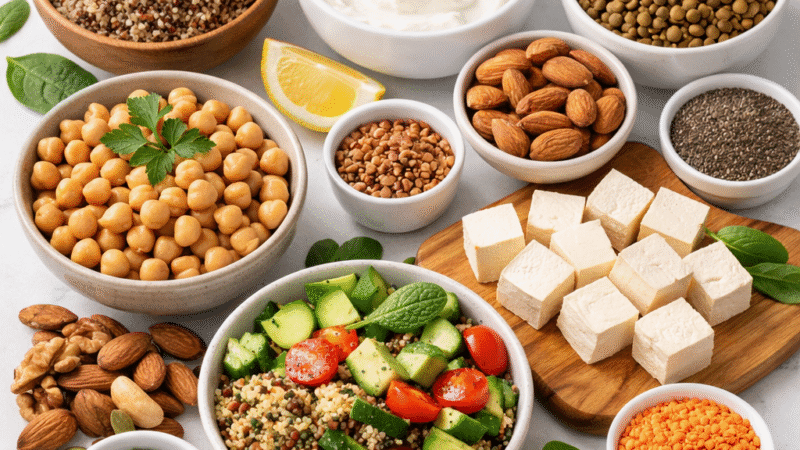
Beans and legumes – such as black beans, kidney beans, lentils and chickpeas – are inexpensive nutritional powerhouses. They provide plant‑based protein, fiber, minerals and resistant starch. The American Heart Association notes that plant proteins like beans offer minerals and dietary fiber without the saturated fat and cholesterol found in some animal proteins. Replacing red meat with beans can lower blood cholesterol, a major risk factor for heart disease. Registered dietitians also point out that resistant starch from legumes feeds beneficial gut bacteria and may help prevent heart disease. Because beans are high in fiber, they promote satiety, which supports weight management and indirectly benefits cardiovascular health.
How to enjoy beans Foods for Heart Health
- Soups and stews: Add lentils or black beans to vegetable soups and chilli for extra protein and texture.
- Bean salads: Mix chickpeas or kidney beans with chopped vegetables, herbs and a light vinaigrette. Serve on a bed of leafy greens for a double dose of Foods for Heart Health.
- Meatless mains: Make bean‑based burgers, tacos or burritos. Using beans as the main protein cuts saturated fat and increases fiber.
To reduce sodium, rinse canned beans thoroughly or cook dried beans from scratch. Experiment with different varieties to discover your favourites.
7. Avocados: Creamy Fruit with Heart‑Friendly Fats and Potassium
Avocados are unique fruits packed with monounsaturated fats, fiber, potassium and phytosterols. Harvard’s Nutrition Source explains that the primary fat in avocados is oleic acid (the same heart‑healthy fat found in olive oil), and substituting avocados for other fats can reduce LDL cholesterol. Avocados are also rich in plant sterols that interfere with cholesterol absorption. Their high potassium content helps regulate blood pressure and ensures a steady heartbeat. In a long‑term cohort study of nearly 110,000 men and women, those who ate two or more servings of avocado per week (one serving = half an avocado) had a 16 % lower risk of cardiovascular disease and a 21 % lower risk of heart disease compared with people who seldom ate avocados.
How to enjoy avocados Foods for Heart Health
- Toast topper: Spread mashed avocado on whole‑grain toast and sprinkle with sesame seeds or sliced tomatoes.
- Smooth and creamy: Blend avocado into smoothies or soups for a velvety texture. Its neutral flavour pairs well with cocoa or leafy greens.
- Guacamole and dips: Mash avocados with lime juice, cilantro and onions for a classic guacamole. Use as a dip for raw vegetables instead of chips.
Because avocados are calorie‑dense, enjoy them in moderation. Their combination of healthy fat and potassium makes them a satisfying food for heart health.
Tips for Building a Foods for Heart Health
Adopting a heart‑healthy diet doesn’t mean eating only these seven foods. Instead, use them as building blocks alongside other wholesome ingredients such as olive oil, tomatoes, garlic and herbs. Here are a few practical strategies:
- Fill half your plate with produce. Combine leafy greens and colourful vegetables with berries and citrus for variety and antioxidants.
- Choose whole grains most of the time. Swap refined grains for brown rice, quinoa or whole‑grain bread to increase fiber and keep you fuller longer.
- Go for healthy fats. Use olive oil or avocado oil for cooking; sprinkle nuts or seeds on meals; enjoy a small portion of dark chocolate for a treat. Research shows that dark chocolate is rich in antioxidants and, when eaten in moderation, can help reduce blood pressure and lower the risk of heart disease.
- Include lean proteins. Plan two servings of fatty fish each week and incorporate plant proteins like beans, lentils and tofu on other days.
- Limit added sugars and sodium. Flavour foods with herbs, spices, citrus and garlic instead of salt; choose unsweetened versions of foods when possible.
Conclusion Foods for Heart Health
Eating for heart health is a lifelong journey, not a temporary diet. By focusing on nutrient‑dense foods like leafy greens, berries, nuts, whole grains, fatty fish, beans and avocados, you give your heart the raw materials it needs to function optimally. These Foods for Heart Health lower blood pressure, improve cholesterol, reduce inflammation and provide lasting energy. Rather than obsessing over individual nutrients or fads, let these whole foods form the foundation of your meals. Small changes – adding a handful of spinach to your smoothie, swapping refined bread for whole grain, or enjoying a salmon salad once a week – can make a big difference over time. Your heart will thank you.
FAQ Foods for Heart Health
Q1: How many servings of these heart‑healthy foods should I eat each week?
Aim for variety rather than strict numbers. Try to include leafy greens daily, berries at least three times per week, a handful of nuts five times per week, whole grains at most meals, two servings of fatty fish each week, beans several times per week, and avocados one to two times weekly. Adjust portions based on your energy needs and consult a health professional if you have specific health conditions.
Q2: Can these foods replace medication for heart disease?
No. While foods for heart health support cardiovascular wellness, they do not replace prescribed medications. Always follow your doctor’s advice. However, a heart‑friendly diet can complement medical treatment and may help reduce medication needs over time under medical supervision.
Q3: Are all nuts equally good for heart health?
Most tree nuts and peanuts (technically a legume) offer similar benefits because they contain unsaturated fats, fiber and antioxidants. Walnuts provide additional omega‑3s. Choose unsalted nuts to limit sodium and watch portion sizes to avoid excess calories.
Q4: What if I don’t like fish – how can I get omega‑3s?
If you don’t eat fish, consider plant sources of omega‑3s such as walnuts, flaxseeds and chia seeds. They contain alpha‑linolenic acid (ALA), which your body can convert to EPA and DHA, though conversion is limited. You could also speak with a healthcare provider about high‑quality omega‑3 supplements.
Q5: Is dark chocolate really healthy?
Dark chocolate that contains at least 70 % cocoa is rich in flavanols and antioxidants. Studies indicate that small amounts of dark chocolate can reduce blood pressure and lower risk of heart disease. Moderation is key; choose minimally processed dark chocolate and limit yourself to a few squares per day.