Fiber vs. Protein for Weight Loss: Why Fiber Is the New Protein in 2026
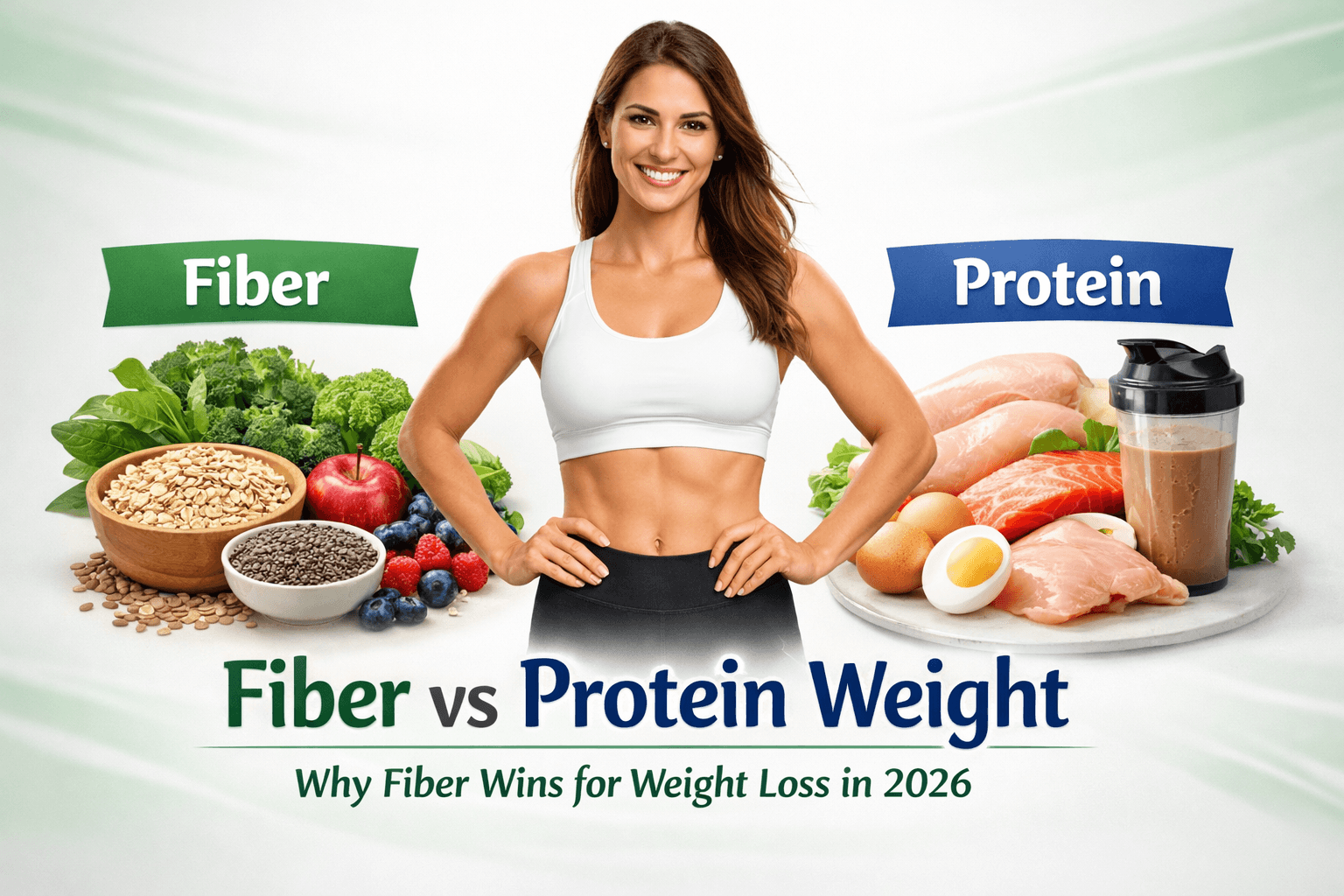
For years, high‑protein diets were touted as the gold standard for weight loss in the fiber vs protein weight debate. Protein shakes and low‑carb meal plans flooded social media, and many Americans doubled down on protein intake hoping to shed pounds quickly. Yet despite the buzz, research shows that the long‑term advantage of high‑protein diets over balanced diets is modest. A 2025 narrative review notes that meta‑analyses of long‑term randomized trials found little difference in body weight and fat mass between high‑protein and lower‑protein diets. Even when higher protein intake produced significant weight loss, the effect size was small—about 0.39 kg of body mass—raising questions about whether prioritizing protein is worth the hype.
Meanwhile, fiber—long relegated to discussions of digestion—has quietly emerged as the star nutrient for weight management. Consumption remains far below recommendations: U.S. adults average about 15 g of fiber per day, roughly half the recommended intake. Only about 5 % of Americans meet fiber guidelines. Health professionals now argue that fiber vs protein weight is the question we should be asking. In 2025 the term “fibermaxxing” began trending on TikTok; dietitians noted that while most people consume adequate protein, they often fall short on fiber. By 2026, fiber is poised to eclipse protein as the nutrient most associated with healthy weight loss.
This article explores why fiber may be “the new protein” for weight loss, comparing how each nutrient affects satiety, metabolism and long‑term health. You’ll learn how to incorporate more fiber without sacrificing protein, and find science‑backed answers to common questions.
Protein’s Role in Fiber vs Protein Weight Loss: Strengths and Limitations
Protein’s Satiety and Thermogenesis
Protein is an essential macronutrient that builds muscle, hormones and enzymes. It’s also known to increase satiety and boost metabolism. A meta‑analysis of 49 acute studies found that meals higher in protein decreased hunger and increased fullness more than lower‑protein meals. Higher‑protein meals stimulate the release of satiety hormones like GLP‑1 and CCK and reduce ghrelin, a hormone that triggers hunger. This effect can help dieters feel fuller with fewer calories.
Protein also increases diet‑induced thermogenesis (DIT)—the energy required to digest and metabolize food. Consuming higher‑protein meals elevated DIT and total daily energy expenditure compared with lower‑protein meals in both short‑term and longer‑term studies. Maintaining muscle mass through adequate protein is critical for metabolism and functional health as we age.
Downsides of High‑Protein Diets in Fiber vs Protein Weight Loss
Despite these benefits, evidence for high‑protein diets producing superior weight loss is mixed. Long‑term trials comparing diets with ≥25 % of energy from protein to those with 15–20 % show small reductions in body weight (≈0.39 kg) and fat mass. Some analyses found no significant difference at all. Moreover, high‑protein diets may not be sustainable or safe for everyone. The American Kidney Fund warns that while adequate protein is necessary, excessive protein can strain the kidneys, especially in people with kidney disease. Excess protein is metabolized into waste products that must be filtered by the kidneys; consuming more than your body needs can lead to dehydration, increased waste build‑up and accelerate kidney decline.
Even for healthy adults, there is little evidence that ultra‑high protein intakes offer additional benefits beyond the Recommended Dietary Allowance (0.8 g per kilogram of body weight) or the Acceptable Macronutrient Distribution Range of 10–35 % of total energy. In fact, focusing exclusively on protein may displace fiber‑rich foods such as fruits, vegetables and whole grains.
Balanced Protein Intake for Fiber vs Protein Weight Success
Protein remains essential. Adults should aim for at least 0.8 g/kg/day (about 65 g per day for someone weighing 180 lb), increasing intake modestly if physically active, older or recovering from illness. Prioritize high‑quality protein sources—fish, legumes, poultry, eggs and nuts—and balance animal and plant proteins. Limiting processed meats and excess saturated fat can protect heart and kidney health. Moderation allows room for fiber‑rich foods that support weight loss and overall wellness.
A balanced approach to fiber vs protein weight ensures you leverage the strengths of each macronutrient and avoid overemphasizing one at the expense of the other.
Fiber in the Fiber vs Protein Weight Debate: The New Protein in 2026
Fiber’s Rising Popularity in the Fiber vs Protein Weight Conversation
Dietary fiber, the indigestible portion of plant foods, is undergoing a renaissance. The International Food Information Council’s 2025 survey found that 64 % of Americans were trying to consume more fiber, yet average intake remains around 15 g/day. Health experts believe the focus on protein has led to missed opportunities to promote fiber’s well‑established benefits. Popular trends like fibermaxxing—a social media movement encouraging people to “max out” their fiber intake—highlight a growing awareness that fiber plays a major role in satiety, blood sugar control and weight management. Dietitians note that many people already get enough protein but not enough fiber.
In the context of fiber vs protein weight loss, this surge in interest underscores fiber’s role as the nutrient that many people are missing.
Evidence Linking Fiber to Weight Loss
Multiple studies demonstrate that fiber is strongly associated with lower body weight and reduced obesity risk. A large analysis of over 39,000 U.S. adults using NHANES data showed that individuals consuming ≥20.8 g/day of fiber had a 26 % lower incidence of obesity compared with those consuming ≤9.1 g/day. Higher fiber intake was also associated with a 21 % reduction in all‑cause mortality.
Randomized studies support fiber’s role in weight management across different diets. One 2019 trial found that fiber intake predicted weight loss and diet adherence on calorie‑restricted diets, regardless of macronutrient composition. A GoodRx review summarizes research showing that high‑fiber diets help people with excess weight lose pounds and maintain weight loss. Fiber seems to support weight loss regardless of whether the diet is high or low in protein or fat, making it a versatile tool for various eating patterns.
When evaluating fiber vs protein weight, this evidence demonstrates that fiber consistently outperforms protein-centric strategies.
In animal studies, specific fibers even mimic the weight‑loss effects of medications like semaglutide. Scientists found that beta‑glucan, a soluble fiber in oats and barley, reduced body weight and fat mass in mice on a high‑fat diet within 18 weeks. The fiber increased butyrate production and stimulated GLP‑1, the same hormone targeted by weight‑loss drugs. While human research is ongoing, these findings underscore fiber’s powerful metabolic effects.
How Fiber Promotes Weight Loss
Fiber aids weight loss through multiple complementary mechanisms:
- Promoting fullness and satiety. High‑fiber foods are bulky and expand in the stomach. They slow digestion and stimulate the release of hormones like GLP‑1 that tell your brain you’re full. Greater satiety leads to smaller portions and less snacking.
- Lowering appetite. People who consume more fiber have lower levels of ghrelin, the hormone that signals hunger. Reduced hunger helps maintain a calorie deficit without constant cravings.
- Decreasing calorie absorption. Fiber is a carbohydrate your body can’t digest, so high‑fiber meals have fewer absorbable calories. Fiber creates a barrier in the gut that slows absorption of fats and carbohydrates.
- Stabilizing blood sugar. Fiber slows the absorption of carbohydrates, preventing blood sugar spikes and crashes that often trigger cravings. Stable blood sugar helps control appetite and energy levels.
- Changing your gut microbiome. Fiber feeds beneficial gut bacteria and increases microbial diversity, which is linked to less weight gain. Some fibers produce short‑chain fatty acids like butyrate, which may boost energy expenditure and influence hormones.
These mechanisms operate synergistically to support weight loss, making fiber a holistic tool rather than a single‑purpose supplement.
These complementary effects reveal why so many fiber vs protein weight comparisons favor fiber and show how fiber can work alongside protein to enhance results.
Types of Fiber and Their Effects
Not all fibers are identical. Soluble fiber, found in oats, barley, citrus fruits and legumes, dissolves in water to form a gel. It’s particularly effective at lowering cholesterol and regulating blood sugar. Soluble fiber may have a stronger effect on weight loss than insoluble fiber because it slows stomach emptying and stimulates GLP‑1. Insoluble fiber, abundant in whole grains, vegetables and nuts, adds bulk and helps regularity. Both types contribute to satiety and gut health, so a diverse mix is ideal.
Why Fiber Should Be the Focus in the Fiber vs Protein Weight Debate in 2026
The science suggests that fiber offers broader and more sustainable weight‑management benefits than simply boosting protein. Key reasons include:
- Fiber is under‑consumed, yet highly effective. While many Americans already meet or exceed protein recommendations, few reach fiber targets. Increasing fiber intake yields significant reductions in obesity and mortality and improves adherence to calorie‑restricted diets.
- Multi‑mechanistic benefits. Fiber simultaneously enhances satiety, lowers appetite, reduces calorie absorption, stabilizes glucose and supports a healthy microbiome. Protein mainly aids satiety and muscle maintenance and provides a small thermogenic boost.
- Better long‑term outcomes. High‑protein diets may help short‑term weight loss but offer only modest long‑term advantages. In contrast, high‑fiber diets consistently correlate with lower weight gain over time and improved cardiometabolic health.
- Lower risks and greater diversity. Excess protein can strain kidneys and may crowd out nutrient‑dense plant foods. Fiber‑rich foods provide vitamins, minerals, antioxidants and phytochemicals while supporting digestive health.
That said, fiber and protein are not mutually exclusive. In fact, combining adequate protein (to maintain muscle mass and metabolic rate) with generous fiber (to control appetite and improve insulin sensitivity) is a powerful weight‑loss strategy. The 2025 narrative review advocates a simple “30‑30‑30” approach: aim for ≥30 g of protein per meal, ≥30 g of fiber per day and ≥30 minutes of exercise. This balanced plan helps blunt hunger during weight loss and promotes cardiometabolic health.
When you frame the discussion as fiber vs protein weight, it becomes clear that elevating fiber intake is the smarter, more sustainable option while still valuing protein’s contributions.
Smart Strategies to Increase Fiber Intake for Fiber vs Protein Weight Goals
Upgrading your fiber intake doesn’t require drastic changes. Here are practical tips to embrace fiber as the new protein:
These strategies will help you succeed in your fiber vs protein weight goals by making fiber easier to incorporate without sacrificing protein.
1. Choose whole grains
Eat oats, brown rice, whole-wheat bread and whole-grain pasta instead of refined grains.
2. Add fruits and vegetables
Include berries, apples, greens, carrots and broccoli with every meal.
3. Eat more beans and seeds
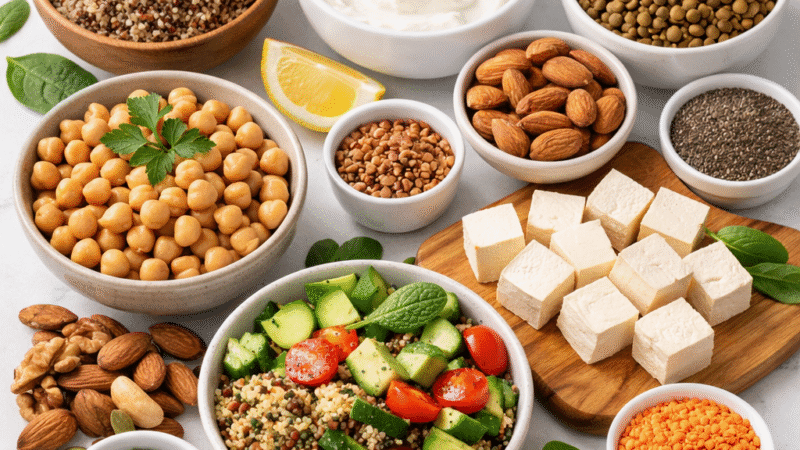
Lentils, chickpeas, chia and flax seeds are powerful fiber boosters.
4. Use plant protein sometimes
Replace some meat with beans or lentils to get more fiber and less saturated fat.
5. Increase fiber slowly
Add fiber little by little and drink more water to avoid gas and bloating.
6. Aim for 25–40g fiber daily
Women: 25–28g
Men: 31–34g
For weight loss, aim closer to 40g.
7. Use supplements only if needed
Whole foods work better. Use supplements only when food intake is low.
Conclusion: Winning the Fiber vs Protein Weight Challenge
The conversation around weight loss is shifting. While protein remains important for muscle maintenance and satiety, the latest research and trends suggest that fiber deserves center stage. High‑protein diets may offer modest benefits but carry potential drawbacks and cannot match fiber’s multi‑faceted advantages. Fiber reduces obesity risk, aids weight loss regardless of macronutrient composition and improves long‑term health markers.
By 2026, fiber vs protein weight is no longer a contest—it’s a partnership. A balanced diet that pairs adequate protein with abundant fiber, combined with regular physical activity, provides sustainable and enjoyable weight management. Rather than chasing the next fad diet, focus on colorful plant foods, whole grains, legumes and nuts. Your gut, hormones and waistline will thank you.
This conclusion underscores the importance of embracing a fiber vs protein weight mindset: prioritizing fiber while respecting protein’s role creates a winning formula for healthy weight loss.
Frequently Asked Questions About Fiber vs Protein Weight
1.Is fiber better than protein for weight loss?
Fiber controls appetite, blood sugar and digestion, while protein supports muscles and fullness. Fiber shows stronger long-term weight-loss benefits, so the best approach is high fiber + enough protein.
2.How much fiber do I need to lose weight?
Women: 25–28g/day
Men: 31–34g/day
For faster weight loss, aim near 40g/day and increase slowly with plenty of water.
3.Can I use fiber supplements?
Yes, but whole foods work better. Use supplements only to fill gaps, not replace fruits, vegetables and grains.
4.Does fiber cause gas or bloating?
Yes, if increased too fast. Add fiber gradually and drink more water to avoid discomfort.
5.How do I balance fiber and protein?
Eat beans, seeds, vegetables, whole grains + eggs, fish or chicken.
Aim for 30g protein per meal and 30g fiber per day.