Erase Dark Circles Naturally With These 6 Simple Solutions
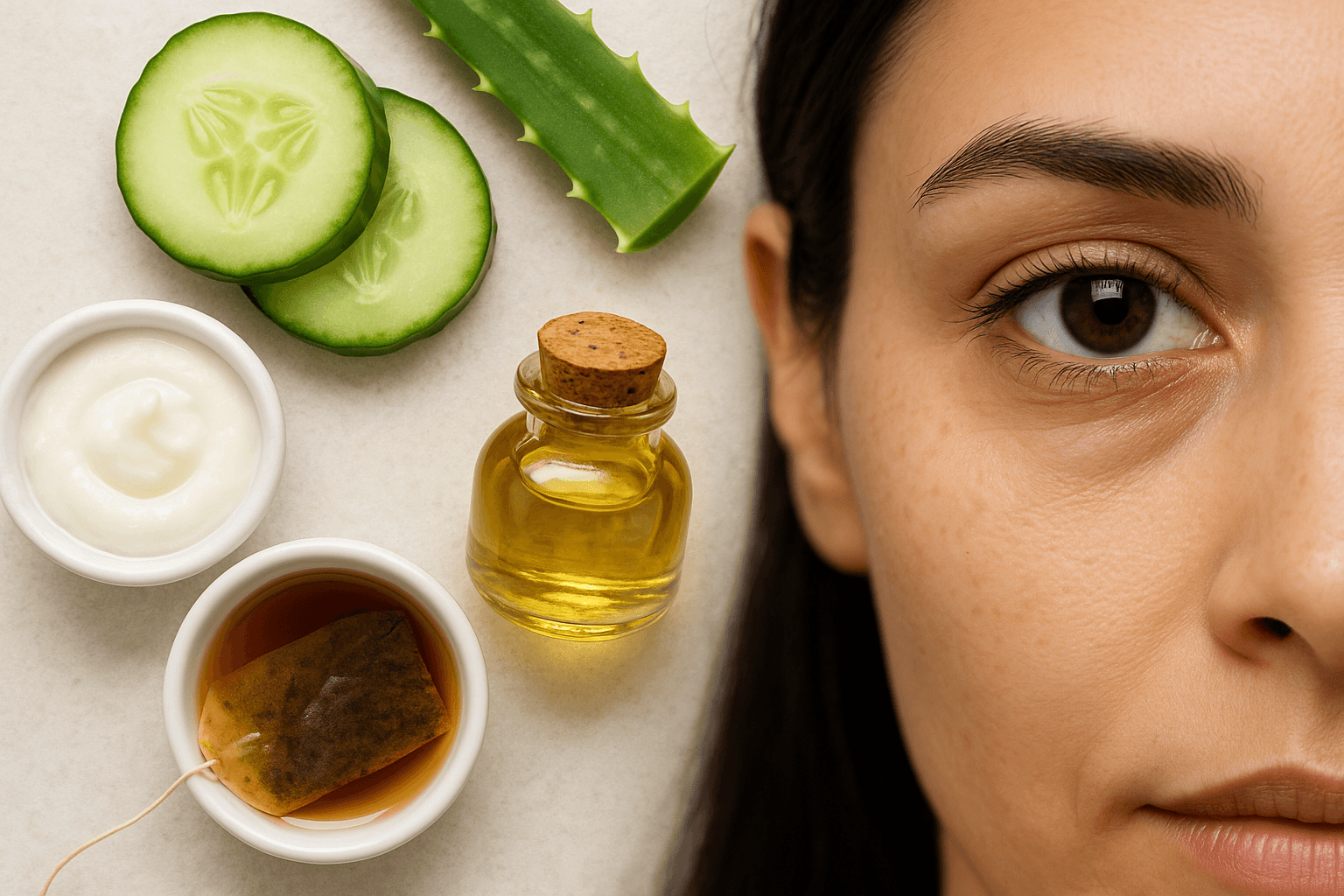
If you want to erase dark circles naturally, it’s important to understand what causes them in the first place. Dark circles under the eyes make many of us look more tired than we feel. They can appear at any age and are caused by a mixture of genetics, lifestyle, and environmental factors. Thin skin in the under-eye area reveals the blood vessels and muscles underneath, which makes the region look darker. Lack of sleep, sun damage, allergies, rubbing your eyes, certain medications, and even the way your facial bones are shaped can accentuate the issue. Dark circles are usually harmless, but if they bother you, there are gentle, natural ways to minimise them.
Below you’ll find six science-backed strategies that require simple changes to your routine. Each solution draws from medical research and holistic wisdom to help you care for your under-eye skin. You don’t have to try all of them at once — start with what feels most doable and watch your eyes gradually look brighter.
Why You Get Dark Circles (Before You Erase Dark Circles Naturally)
Before you learn how to erase dark circles naturally, it helps to understand why the area under your eyes becomes discoloured in the first place. Dark circles can be caused by:
- Fatigue and lack of sleep – Sleeping poorly makes skin paler so the blood vessels beneath the eyes show through more. Research also suggests that being run down makes us notice our dark circles more.
- Puffiness or swelling – Fluid pools in the lower eyelids when you lie down. This swelling can create shadows that look like dark circles.
- Dilated or visible blood vessels – Wider blood vessels under the skin can create a darker hue. Cooling the area constricts vessels and reduces this effect.
- Hyperpigmentation – Sun exposure triggers melanin production and causes the thin eyelid skin to darken.
- Allergies and rubbing – Allergic reactions cause inflammation and itching. Rubbing the eyes can lead to post‑inflammatory hyperpigmentation.
Keeping these causes in mind will make it easier to choose the solutions that help you erase dark circles naturally based on your specific needs.
1. Prioritize Rest to Help Erase Dark Circles Naturally
Getting enough high-quality sleep is one of the best ways to erase dark circles naturally. Experts note that fatigue and lack of sleep make the skin paler, which accentuates the blood vessels under your eyes. The Centers for Disease Control and Prevention recommends that adults sleep at least seven hours each night, and limited studies show that good rest and general health lessen the intensity of dark circlespacificheadandneck.com.
Sleep Habits That Reduce Dark Circles
- Set a bedtime routine: Go to bed and wake up at the same time each day, even on weekends. Dim lights and avoid screens an hour before bed.
- Make your room a sleep haven: Keep it cool, dark and quiet. Consider blackout curtains and a white noise machine if outside light or noise keeps you awake.
- Limit caffeine and alcohol: Caffeine late in the day or heavy drinking disrupts sleep cycles. Switch to herbal tea after lunch.
- Hydrate and eat nutrient‑rich foods: Dehydration and poor nutrition can make dark circles worse. Drink plenty of water and fill your plate with colourful fruits and vegetables that provide vitamins C and K, iron and antioxidants.
Good sleep habits support your skin’s healing process and help gradually erase dark circles naturally by reducing blood pooling and puffiness.
Lifestyle Changes for Brighter Under-Eyes
Chronic stress can hinder sleep quality and worsen dark circles. Integrate activities that relax you — yoga, meditation, breathing exercises or a calm hobby. Regular movement such as walking, cycling or dancing boosts circulation and may reduce blood stasis around the eyes. Quitting smoking and moderating alcohol intake also protect the thin eyelid skin. In general, taking care of your overall health shows up in your eyes.
2. Elevate Your Head and Reduce Puffiness to Erase Dark Circles
Fluid accumulation under the eyes often contributes to swelling. Elevating the head during sleep encourages drainage and helps erase dark circles naturally by reducing morning puffiness.
Treat underlying allergies to prevent rubbing, which worsens pigmentation. Avoiding triggers, using saline washes, and doctor-recommended medication can significantly reduce discoloration and help you naturally erase dark circles over time.
How Elevation Helps Fade Dark Circles
- Use an extra pillow or wedge: Stack two pillows or purchase a wedge pillow to raise your head and upper torso. Keep your neck comfortable and avoid awkward angles.
- Adjust your bed frame: Some people raise the head of their bed a few centimetres with blocks. This provides a slight incline without needing more pillows.
- Avoid sleeping on your stomach: Side and stomach positions can increase pressure on facial tissue. Try sleeping on your back with your head elevated.
Allergy Management for Under-Eye Darkness
Allergies lead to inflammation and irritation. When your eyes itch, rubbing them may cause post‑inflammatory hyperpigmentation or broken blood vessels. Address underlying allergies by:
- Seeing a doctor: An allergist can identify triggers like pollen, dust mites or food and prescribe medications to control symptoms.
- Using a saline rinse: Rinsing your nasal passages can reduce congestion and pressure around your eyes.
- Keeping hands off your eyes: If itchy eyes are a constant problem, try cold compresses or doctor‑approved eye drops instead of rubbing.
3. Cold Therapy to Erase Dark Circles Naturally
Cold therapy is one of the fastest ways to erase dark circles naturally. Dilated blood vessels beneath the eyes can darken the area. Cooling causes vasoconstriction — the blood vessels narrow, reducing blood flow and swelling. This effect can make dark circles less noticeable. Cold therapy is quick, inexpensive and feels soothing.
Cold Compress Methods for Dark Circles
- Chilled spoons or gel packs: Place two metal spoons or a gel eye mask in the refrigerator for a few minutes. Once cold, gently press them on your closed eyelids for 5–10 minutes.
- Cold washcloth: Wet a clean cloth, wring out excess water and chill it in the fridge. Lay it across your eyes, replacing it as it warms.
- Ice cubes in a cloth: Wrap ice cubes in a soft towel to avoid frostbite. Gently apply for short intervals.
Research notes that applying a cold compress may reduce inflammation and constrict blood vessels to lessen dark circles. Cold therapy can also reduce puffiness and the shadows it creates.
Cucumber & Tea Bags for Under-Eye Brightening
Cucumber slices and caffeinated tea bags are popular remedies. Their cooling and antioxidant effects help calm inflammation and temporarily brighten the under-eye area, supporting your goal to erase dark circles naturally with consistent use.
Tea bags — particularly caffeinated black or green tea — are another favourite remedy. Studies suggest that caffeine constricts blood vessels and may reduce their appearance on the skin’s surface. To use tea bags:
- Steep two tea bags in hot water for 3–5 minutes.
- Remove them and let them cool in the refrigerator.
- Place one cooled bag over each closed eye for 5–10 minutes.
- Rinse your eyes with cool water.
Applying cooled tea bags or cucumber slices has not been extensively studied, but many people find temporary relief from puffiness and a refreshed look.
4. Sun Protection & Antioxidants to Reduce Dark Circles Naturally
The thin skin around the eyes is particularly susceptible to sun damage. Ultraviolet (UV) radiation can cause hyperpigmentation — patches of skin that become darker than the surrounding areas. Protecting the eye area reduces the risk of dark circles worsening from UV exposure and helps maintain skin elasticity. Dermatologists recommend:
- Applying broad‑spectrum sunscreen: Use a sunscreen formulated for facial use and safe for the delicate eye area. Reapply every two hours when outdoors.
- Wearing sunglasses and hats: Large sunglasses shield the under‑eye region, and wide‑brimmed hats reduce overall sun exposure.
- Staying in the shade: Limit direct sun exposure, especially during midday when UV rays are strongest.
Vitamin C for Dark Circle Reduction
Vitamin C is a powerful antioxidant that can increase collagen production and thicken the skin under your eyes. A thicker dermis reduces the visibility of underlying blood vessels. A clinical trial testing a 10 percent vitamin C product for six months found that it increased skin thickness and reduced dark circles. To incorporate vitamin C:
- Use a vitamin C serum or eye cream: Apply products containing vitamin C to the under‑eye area as directed. Start slowly to avoid irritation.
- Eat vitamin‑C‑rich foods: Citrus fruits, strawberries, bell peppers, guava and broccoli provide vitamin C for overall skin health.
Other antioxidants like vitamin E, beta carotene and polyphenols support collagen production and protect the skin from free radical damage. A colourful diet rich in fruits, vegetables and nuts nourishes your body from within.
Limit screen time and protect from digital strain
Eye strain from long hours staring at screens may contribute to dark circles by causing frequent rubbing and dryness. Follow the 20‑20‑20 rule: every 20 minutes, look at something 20 feet away for at least 20 seconds. Use blue‑light‑filtering glasses or screen settings at night to reduce digital eye strain and protect your sleep cycle.
5. Nourish Under-Eye Skin to Help Erase Dark Circles Naturally
Topical treatments can support the delicate under‑eye area. There are many creams and oils marketed for dark circles, but only a few ingredients have scientific backing.
Almond oil and vitamin E
A traditional remedy involves mixing equal amounts of almond oil and vitamin E and gently massaging the mixture into the dark circles before bedtime. Natural healers suggest this routine may improve skin texture. Limited research indicates that almond oil could benefit the skin, and vitamin E is a potent antioxidant. To try it safely:
- Mix a drop of sweet almond oil with a drop of vitamin E oil.
- With clean hands, gently dab the blend onto the under‑eye skin.
- Use light, circular motions to massage it in, avoiding direct contact with the eyes.
- Rinse off in the morning.
Patch‑test any new oil on the inner arm first to check for allergic reactions.
Moisturizers with caffeine, hyaluronic acid and vitamin C
Many over‑the‑counter moisturizers for dark circles include caffeine, vitamin C, hyaluronic acid, aloe and retinol. These ingredients aim to stimulate circulation, brighten skin tone and boost hydration. Caffeine, when applied topically, constricts blood vessels and may temporarily reduce dark circles. A small 2024 study found that participants who used a 3 percent caffeine eye cream for 12 weeks had lower melanin scores around the eyes, suggesting reduced pigmentation. However, more large‑scale research is needed.
Hyaluronic acid attracts and retains moisture, plumping the skin. Vitamin C (discussed above) stimulates collagen production. Aloe is soothing and hydrating. When selecting a cream:
- Look for products with a blend of caffeine, vitamin C and hyaluronic acid.
- Apply gently with your ring finger to avoid dragging the skin.
- Store caffeinated creams in the refrigerator for an added cooling effect.
Vitamin K pads
Vitamin K has anti‑inflammatory properties and may improve skin hydration. A study cited in dermatology literature reported that eye pads containing caffeine and vitamin K used nightly for four weeks reduced dark circles and wrinkle depth. While more evidence is needed, vitamin K could be a useful addition to your routine. Many eye creams list vitamin K among the ingredients.
Retinoids: proceed with caution
Retinoid (vitamin A) creams promote collagen production and decrease melanin content, which may improve dark circles. However, retinoids can be irritating and thin the skin. Medical News Today warns that retinoids may contribute to dry eye disease over time and recommends avoiding them around the eyes until more is known. If you choose to try retinoids, consult a dermatologist, start with a low concentration and limit use to a couple of nights a week.
6. Adopt Healthy Habits and Seek Professional Guidance
Dark circles can signal underlying health issues. If you’ve tried lifestyle adjustments and still struggle, consider seeking professional advice. Some additional steps include:
Evaluate your diet
Iron deficiency and vitamin B12 deficiency can cause pallor and make dark circles more noticeable. Eating a balanced diet with lean proteins, leafy greens, legumes, nuts and seeds helps prevent deficiencies. Vitamin K‑rich foods such as spinach, kale and broccoli support blood clotting and may benefit skin health. Staying hydrated keeps tissues plump and reduces the appearance of sunken eyes.
Quit smoking and limit alcohol
Smoking constricts blood vessels and damages collagen, accelerating ageing and darkening the under‑eye region. Alcohol dehydrates the skin and causes puffiness. Cutting back or quitting can dramatically improve your skin’s appearance.
Consider concealers and makeup
Makeup offers an immediate, non‑invasive solution. Many cosmetic brands create concealers specifically for under‑eye circles. Choose a shade that matches your skin tone, and apply sparingly with a brush or sponge. Use a colour corrector (peach or orange for darker skin, yellow for lighter skin) beneath concealer to neutralize dark hues. Remember to remove makeup gently at night to avoid irritation.
Consult a dermatologist
If dark circles persist despite lifestyle changes, consult a dermatologist or eye specialist. Medical treatments include:
- Skin‑lightening creams containing azelaic acid, kojic acid, glycolic acid or hydroquinone.
- Chemical peels and laser therapy to lighten pigmentation and stimulate collagen.
- Dermal fillers such as hyaluronic acid injections to restore lost volume.
- Blepharoplasty (eyelid surgery) for severe cases to remove excess fat or skin.
A professional will identify the underlying cause of your dark circles and recommend the safest treatment for your skin type.
Conclusion: Patience Pays Off
Dark circles rarely vanish overnight. They are the result of a complex interplay of genetics, lifestyle and environment. The good news is that small, consistent changes can make a big difference. By prioritizing quality sleep, elevating your head, applying cold therapy, protecting against sun damage, nourishing the under‑eye skin and adopting healthy habits, you give your eyes the best chance to appear bright and rested. If natural strategies aren’t enough, a dermatologist can help you explore targeted treatments.
Remember, everyone’s skin is different. Some people may see quick improvements, while others might need months of consistent care. The key is patience, self‑care and a holistic approach. Celebrate small wins, like waking up with slightly less puffiness or brighter eyes after a restful week. With time, your under‑eye area will reflect the care you invest.
Frequently Asked Questions
Why do I have dark circles even after sleeping well?
Dark circles can be genetic or due to hyperpigmentation, thin skin, allergies or visible blood vessels. Even if you sleep enough, other factors like sun damage, allergies or the natural structure of your face may contribute to the darker appearance. Try combining the solutions above — sun protection, cooling therapy and skin‑nourishing creams — to see improvement.
How long do natural remedies take to show results?
Natural remedies work gradually. Sleeping seven hours a night, elevating your head and applying cold compresses may produce subtle changes within a week. Vitamins C and K may take several weeks or months to improve skin thickness. Consistency is key — stick with your chosen routine for at least 4–6 weeks before judging results.
Can diet help reduce dark circles?
Yes. A balanced diet supports skin health. Vitamin C boosts collagen production, vitamin K and iron support healthy blood vessels, and antioxidants protect against free radical damage. Staying hydrated prevents dryness and sunken eyes. If you suspect a deficiency, consult a healthcare provider for testing.
Is it safe to use retinoids around the eyes?
Retinoids can promote collagen formation and lighten pigmentation, but they may irritate the delicate eye area and, according to some reports, contribute to dry eye disease. Speak with a dermatologist before using a retinoid cream under your eyes and start with a low concentration to minimize irritation. Always apply sunscreen, as retinoids increase sun sensitivity.
When should I see a doctor about dark circles?
If swelling or discoloration appears under only one eye, worsens over time, or is accompanied by other symptoms, see a healthcare provider. Likewise, if home remedies don’t improve your dark circles or if you’re considering medical treatments like fillers or chemical peels, consult a dermatologist to ensure you choose the safest option for your skin.