4 Reasons Chicken Soup Is a Trusted Cold and Flu Remedy in Winter
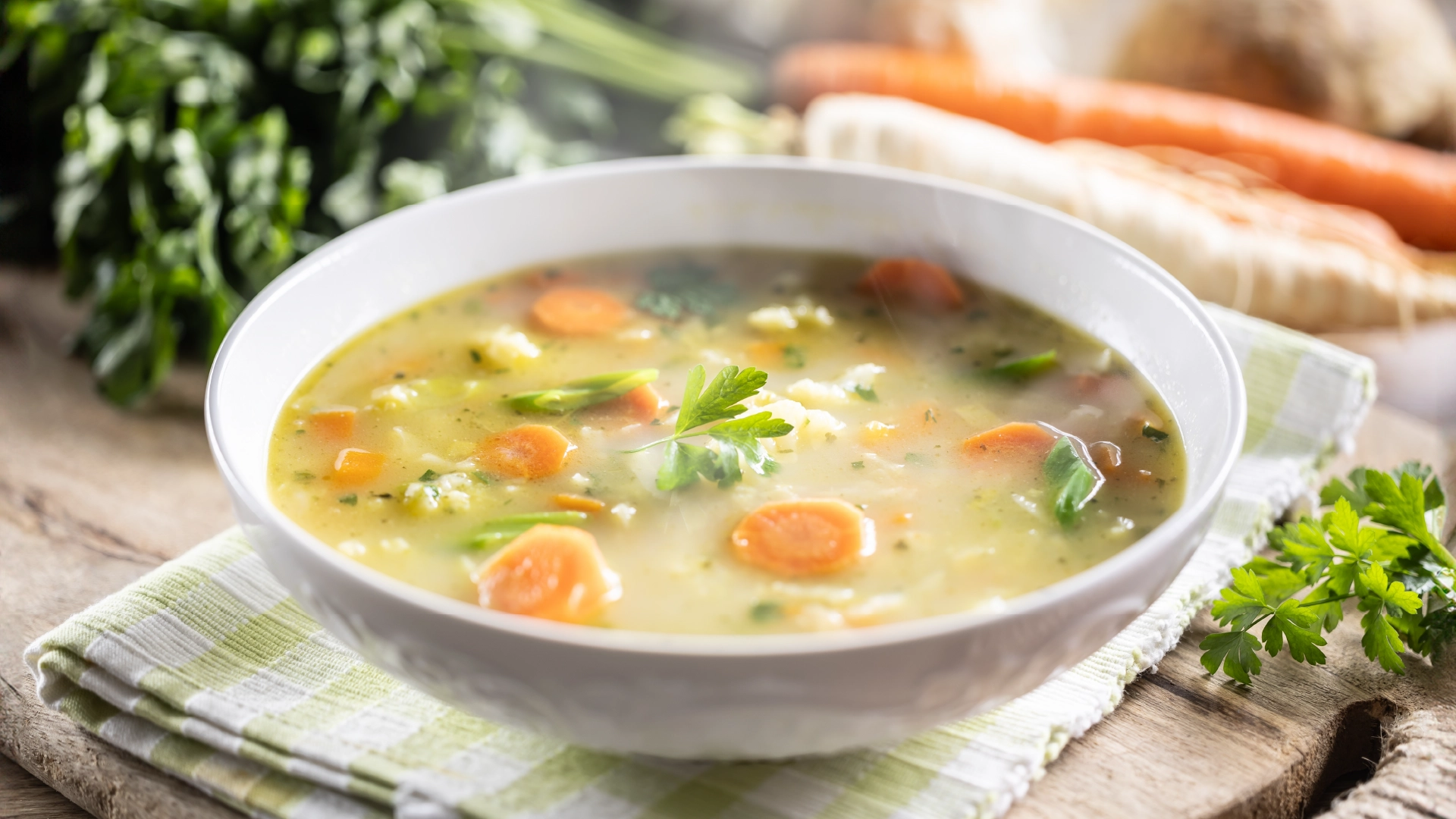
Winter has a way of ushering in sniffles, coughs and fatigue. When temperatures drop and viruses circulate, many people in the U.S. turn to an age‑old remedy: a steaming bowl of chicken soup. This beloved dish isn’t just comfort food—it provides tangible benefits that can help ease cold and flu symptoms and support recovery. In this article we’ll explore four science‑backed reasons chicken soup remains a trusted cold and flu remedy. We’ll also look at practical tips for making this traditional tonic work for you and answer some frequently asked questions.
Warmth & Steam: Chicken Soup Cold Remedy for Inflammation & Congestion
One of the main reasons chicken soup feels so soothing when you’re ill is the heat and steam that rise from the bowl. Breathing in warm vapor can temporarily open nasal passages and reduce congestion—something research‑oriented websites highlight. A 2000 study reported by the American College of Chest Physicians found that chicken soup contains substances with beneficial medicinal activity and may have an anti‑inflammatory effect that eases symptoms of upper respiratory infections. This laboratory research demonstrated that chicken soup inhibited neutrophil chemotaxis—basically reducing the migration of inflammatory white blood cells—providing a plausible explanation for why the dish calms inflammation.
Beyond the soup itself, the steam carries benefits. Health resources note that hot foods and beverages can create positive emotional responses and help you breathe easier. Nutrition experts also emphasize that the steam from hot chicken soup may relieve congested noses and throats while thin mucus aids breathing. Mom’s Meals, a medically tailored meals provider, points out that steam has a mild anti‑inflammatory effect, relaxing muscles and soothing coughs and discomfort associated with cold and flu symptoms. Put simply, sipping warm broth slowly can help you feel less stuffy and more at ease when you’re sick.
Tips for Maximizing Your Chicken Soup Cold Remedy Steam Effect
- Serve it hot – Warm soup releases steam that helps decongest your nasal passages. Avoid letting it cool too much before eating.
- Lean over the bowl – Take a few deep breaths of the steam before you start eating. Inhale gently to avoid burning yourself.
- Add gentle spices – Black pepper, ginger and turmeric can add a pleasant kick and may amplify the warming, anti‑inflammatory benefits.
Nutrient‑Rich Ingredients: Soup Flu Remedy Supports Immunity
Chicken soup is more than chicken and water; it’s a medley of protein, vitamins, minerals and antioxidants. These components can support your immune system and help your body fight off infections. Dietitians note that the ingredients in chicken soup—carrots, onions, garlic and celery—are packed with vitamins and antioxidants that promote natural healing. Carrots provide vitamin A, which supports immune health and the cells that line the gut. Onions and garlic are known for their antiviral and anti‑inflammatory properties; a 2023 study in elderly volunteers found that daily consumption of onion and garlic extracts improved their ability to fend off respiratory infections. Such findings underscore why adding extra vegetables and aromatics can make your soup even more powerful.
The chicken itself contributes lean protein, B vitamins, selenium and tryptophan. Protein is essential for building and repairing tissues and fighting infection. Selenium helps reduce inflammation and supports the body’s ability to fight off illness. Nutrition experts also highlight that chicken contains B‑3 (niacin) and B‑6, which keep the nervous and immune systems functioning properly. Furthermore, the natural amino acid tryptophan aids serotonin production, helping to stabilize mood and promote a sense of well‑being—a bonus when illness can make you feel down.
Vegetables in chicken soup add vitamins C and K and beta‑carotene (converted into vitamin A). Vitamin C is vital for forming blood vessels and collagen, controlling infections and neutralizing free radicals. Vitamin K helps with blood clotting and bone health, while beta‑carotene supports healthy eyes and skin. Together, these micronutrients contribute to a robust immune response.
The broth also brings minerals and essential fatty acids. Mom’s Meals notes that clear chicken broth counts toward hydration goals and is rich in essential fatty acids (major components of cell membranes), protein, iron and selenium. The combination of all these nutrients helps your immune system operate smoothly and may shorten the duration of illness.
How to Boost Your Chicken Soup Cold Remedy’s Immune‑Supportive Power
- Use bone‑in chicken – Bones add collagen and minerals to the broth, including calcium, magnesium and phosphorus.
- Add lots of veggies – Carrots, celery, onions, garlic, ginger and leafy greens pack vitamins and antioxidants. Simmer them long enough to release their nutrients but avoid overcooking to preserve flavor.
- Include herbs and spices – Fresh herbs like parsley and thyme provide extra antioxidants. Turmeric and black pepper may offer anti‑inflammatory benefits.
- Consider mushrooms – Shiitake or maitake mushrooms contain beta‑glucans that support immune function.
Hydration & Electrolyte Balance
When you’re dealing with a cold or the flu, maintaining hydration becomes a priority. Fevers, increased mucus production and reduced appetite can lead to fluid loss. Sipping chicken soup helps replace both fluids and electrolytes. Nutrition experts note that water‑based foods like broth can counter dehydration. Chicken broth is particularly rich in sodium and provides electrolytes such as potassium, phosphorus and chloride. These electrolytes help regulate fluid balance, muscle function and nerve signaling—key factors in recovery.
Mom’s Meals similarly emphasizes that fluids carry nutrients and oxygen to cells, aid digestion, regulate body temperature and maintain electrolyte balance. Drinking broth satisfies fluid requirements while delivering energy and essential fatty acids. Broth can also soothe a sore throat and keep mucus thin, making it easier to expel.
Hydration Tips
- Drink broth between meals – Use chicken soup as a hydrating snack. Even small sips help maintain fluid levels.
- Limit excess sodium – While sodium is necessary, too much can be problematic for some individuals. Opt for homemade or low‑sodium broths and season to taste.
- Complement with water and herbal teas – Broth should supplement, not replace, plain water. Herbal teas (chamomile, peppermint) can complement soup for variety.
Comfort & Digestibility
Not all cold remedies have a psychological component, but chicken soup stands out for its ability to comfort and calm. Many people feel emotionally better after sipping a bowl of warm soup, which may contribute to perceived improvements in symptoms. Health writers note that the warmth, steam and good taste of chicken soup offer a positive emotional response when you’re under the weather. Researchers have also highlighted that recovery is as much psychological as physical; curling up with a comforting dish can make you feel nurtured even if it doesn’t cure your illness.
Chicken soup is also easy to digest, making it gentle on the stomach when your appetite is low. Noodles or rice provide carbohydrates, a quick source of energy to support your brain and body. As long as you choose whole‑grain noodles or brown rice and watch portion sizes, these carbohydrates help you regain strength without overwhelming your digestive system. This digestibility is one reason chicken soup is often recommended for those recovering from illness or surgery.
Making Your Chicken Soup Cold Remedy Comforting & Nourishing
- Use homemade or high‑quality store‑bought broth for better flavor and fewer additives.
- Keep it simple if your stomach is sensitive; start with broth, chicken and a few vegetables, then gradually add more ingredients as your appetite improves.
- Customize the texture—smooth and strained for a sore throat, or hearty with chunky vegetables and noodles for extra satisfaction.
- Share it—enjoying soup with family or friends can enhance the psychological benefits of feeling cared for.
Conclusion: Why the Chicken Soup Cold Remedy Works
Chicken soup may not be a miracle cure for colds or the flu, but modern science supports many of the health claims passed down through generations. Studies show that chicken soup possesses anti‑inflammatory properties that can ease congestion. Nutrition research highlights how the vegetables and aromatics in the soup provide vitamins and antioxidants that support immunity. The broth offers hydration and essential electrolytes, while the warmth and steam create comfort and may help clear nasal passages. Lastly, the easy digestibility and psychological reassurance of chicken soup make it a trusted companion when you’re feeling run‑down.
Whether you prepare “grandma’s soup” from scratch or open a can of your favorite variety, incorporating this Chicken Soup Cold Remedy into your winter routine can bring both physical relief and emotional comfort. Focus on high‑quality ingredients—lean chicken, colorful vegetables, herbs and spices—and savor the ritual of sipping something warm when you need it most. It’s a simple yet powerful tradition that bridges culinary heritage with modern nutrition science.
FAQ
Does the Chicken Soup Cold Remedy Actually Cure a Cold?
No. Chicken soup won’t cure a cold or the flu, but it can ease symptoms. Scientific studies show that chicken soup may have anti‑inflammatory properties that can reduce nasal inflammation and make breathing easier. It also provides fluids, electrolytes and nutrients that support the immune system and promote recovery.
What Ingredients Make the Chicken Soup Cold Remedy Effective for Colds?
Key ingredients include lean chicken (for protein and minerals), vegetables like carrots, celery, onions and garlic (rich in vitamins, antioxidants and anti‑inflammatory compounds), and broth (for hydration and electrolytes). Garlic and onion extracts have been shown to help fight respiratory infections, while carrots provide vitamin A to support immune health.
Is Store‑Bought Chicken Soup Cold Remedy as Good as Homemade?
Homemade soup lets you control sodium levels and choose fresh, nutrient‑dense ingredients. Dietitians recommend making soup yourself or adding extra vegetables to store‑bought varieties to boost antioxidants. If you use canned soup, opt for low‑sodium options and add herbs and spices for flavor. Serving it hot ensures you still benefit from the steam.
How Often Can I Eat Chicken Soup Cold Remedy When I’m Sick?
Chicken soup is generally safe and can be consumed daily when you have a cold or the flu. Because it’s easy to digest and hydrating, you can sip small amounts throughout the day. People watching sodium intake should choose low‑sodium broth or prepare soup at home. If you have underlying medical conditions, consult your healthcare provider.
Does the Chicken Soup Cold Remedy Work for Children and Older Adults?
Yes. Children and older adults often benefit from chicken soup because it provides hydration, calories and nutrients in a form that’s easy to swallow and digest. However, be cautious with sodium levels for people with heart or kidney issues. If you’re caring for a young child or elderly person, adjust seasoning to taste and ensure the soup isn’t too hot before serving.