Chia Seeds Vs Flax Seeds: Which One Is Best For Hair Growth?
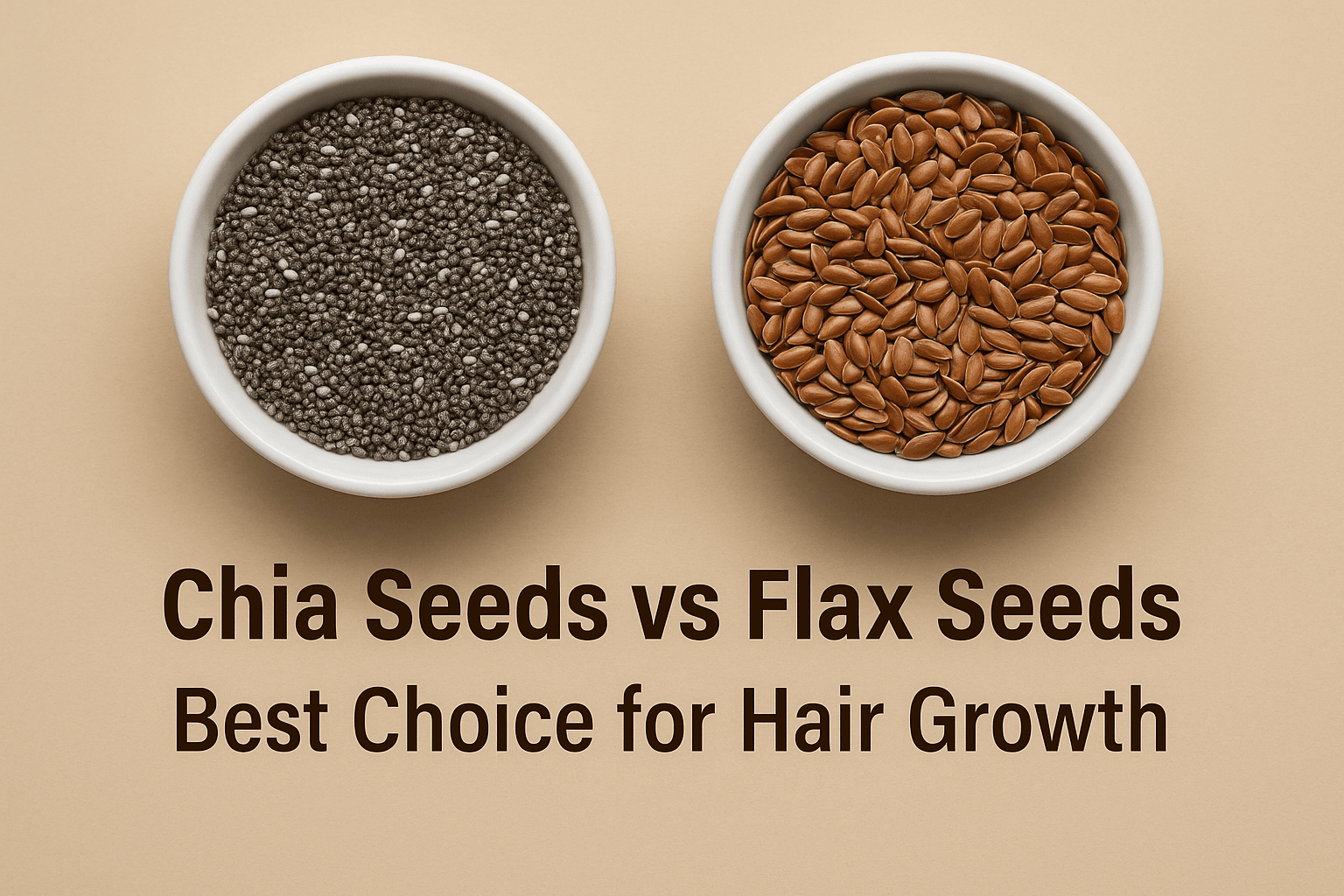
When it comes to chia seeds vs flax seeds, most people know them as superfoods for heart and digestion, but few realise they can also boost hair growth naturally. When hair strands thin or break and the scalp feels dry, many people reach for expensive shampoos or salon treatments. Yet some of the most effective remedies are hiding right in your pantry. Tiny but mighty, these seeds are packed with plant-based protein, fibre, vitamins, minerals, and omega-3 fatty acids that nourish the scalp and support thicker, shinier locks. But which seed truly reigns supreme for stronger, healthier hair? Let’s explore their nutritional differences, specific benefits, side effects, and simple ways to add them to your daily routine.
Nutritional overview – what makes these seeds special?
The nutritional profile of chia seeds vs flax seeds shows both are rich in omega-3 fatty acids, plant protein, fibre, and essential minerals that directly impact hair and scalp health. Both seeds are versatile and easy to add to any diet.
Chia seeds nutritional profile
Scientific reviews note that chia seeds are exceptionally high in dietary fibre. A review in the Journal of Food Science and Technology explains that chia contains between 34 and 40 grams of fibre per 100 grams—higher than flax seeds and many other grains. This fibre helps regulate blood sugar and supports gut health, which indirectly influences hair health.
The same review lists the mineral composition of chia seeds: 631 mg calcium, 407 mg potassium, 335 mg magnesium and 860 mg phosphorus per 100 g, along with microelements such as iron, zinc, manganese and copper. These minerals play important roles in hair structure and pigmentation.
Fine Dining Lovers highlights that two tablespoons (about 28 g) of chia provide 138 calories, 4.7 g protein, 8.7 g fat, 11.9 g carbs and 9.8 g fibre. They also contain B-vitamins and antioxidants like quercetin and chlorogenic acid, which protect follicles from oxidative stress — a key difference when comparing chia seeds vs flax seeds.
Flax seeds nutritional profile
Chia seeds vs flax seeds comparisons often note that flax is the richer plant source of omega-3 ALA. Flax also provides 20 g protein, 41 g total fat, and 28 g fibre per 100 g. The high lignan content (10–2600 mg per 100 g) offers antioxidant and hormone-balancing effects beneficial for scalp health.
Mineral-wise, flax delivers magnesium, phosphorus, potassium, zinc, and manganese—nutrients that strengthen hair roots and prevent thinning.
Comparing key nutrients
A side-by-side comparison reveals distinctions:
- Protein & omega-3: Both are strong sources, but flax edges ahead in omega-3 while chia wins in fibre.
- Vitamins & minerals: Flax offers more copper and thiamine, whereas chia seeds vs flax seeds show chia provides 2.5× more calcium and slightly more iron and phosphorus.
- Lignans: Flax seeds dominate here, offering potent antioxidants.
- Fibre type: Flax’s soluble fibre aids appetite control, while chia’s mucilage supports hydration.
Hair benefits of flax seeds
Omega‑3s and inflammation
Among chia seeds vs flax seeds, flax contains slightly higher omega-3 ALA, which reduces scalp inflammation and strengthens hair follicles from the root., ensuring hair receives essential nutrients for stronger, thicker growth. Inflammation of the scalp can disrupt the hair growth cycle; omega‑3s help calm irritation and maintain a healthier environment for follicles.
Vitamin E and antioxidants
The same article notes that flax seeds are rich in vitamin E, a potent antioxidant that protects hair follicles from oxidative stress and improves blood circulation to the scalp. Vitamin E supports healthy sebum production and may prevent premature greying. Additionally, flax seeds contain lignans, which function as phytoestrogens and antioxidants. Lignans combat free radical damage and may balance hormones, potentially reducing hormonal hair loss.
Balances scalp pH and oil production
Healthy hair begins with a balanced scalp. Oliva Clinic mentions that flax seeds help maintain scalp pH and regulate natural oil production, preventing the scalp from becoming too oily or too dry. A balanced scalp environment reduces dandruff and irritation, two issues that can impede hair growth.
Strengthens hair from the roots
Flax seeds strengthen hair from the roots by nourishing the scalp with omega‑3 fatty acids and vitamin E. The seeds’ mineral content—including magnesium, phosphorus and zinc—also supports keratin production and hair shaft integrity. With regular consumption, flax seeds may reduce breakage, enhance shine and improve overall hair texture.
Promotes faster growth and reduces hair fall
Oliva Clinic further points out that flax seeds’ essential nutrients boost blood circulation to the scalp, encouraging faster and healthier hair growth. Their anti‑inflammatory properties and nutrient profile help minimise breakage and hair fall. By improving the scalp environment and strengthening strands, flax seeds offer a multi‑pronged approach to hair growth.
Hair benefits of chia seeds
Hydration, protein and essential minerals
Chia seeds are celebrated for their water‑retaining ability. The Leravi lifestyle article notes that chia seeds retain water to provide excellent hydration for skin and scalp, while their high fibre content supports digestion and gut health, indirectly benefiting hair. Proper hydration prevents dryness and flakiness on the scalp, creating a healthier environment for hair growth.
Chia seeds also contain protein and essential minerals like iron and zinc. The article states that these minerals improve blood flow, stimulate hair growth and contribute to a radiant complexion. Iron ensures oxygen delivery to hair follicles, while zinc supports keratin formation and cell division in the hair matrix.
Fine Dining Lovers adds that chia seeds are packed with essential amino acids and minerals such as copper, phosphorus and zinc. Copper aids melanin production (helping maintain natural hair colour) and promotes blood flow to hair follicles. Phosphorus works with calcium to strengthen hair strands, and zinc prevents thinning and boosts growth. The article notes that chia seeds may strengthen hair due to their high keratin content, the protein that gives hair its protective sheen.
Antioxidants and keratin boost
Chia seeds are rich in antioxidants such as quercetin, caffeic acid and chlorogenic acid. These compounds help neutralize free radicals, protecting hair follicles from oxidative stress. A reduction in oxidative stress is associated with less hair breakage and slower greying.
The high keratin content mentioned earlier means chia seeds provide building blocks for the hair shaft. Adequate keratin supports a smoother cuticle, which translates into less frizz and more shine. Because chia seeds also contain complete protein, they supply all essential amino acids needed for keratin synthesis.
Supports scalp health and circulation
The water‑absorbing mucilage in chia forms a gel when mixed with liquid, helping to maintain scalp hydration. The Leravi article notes that chia seeds’ omega‑3 fatty acids reduce inflammation in the scalp and skin. Combined with the minerals copper and iron, this anti‑inflammatory effect promotes better circulation to the roots. Improved blood flow means more nutrients reach the follicles, stimulating growth and strengthening hair from within.
Improves skin and hair together
Leravi points out that chia seeds enhance skin elasticity, hydration and brightness. Since scalp skin and facial skin share similar structures, nutrients that improve skin health often translate into healthier scalp tissue. A nourished scalp, free from dryness and inflammation, provides a better foundation for hair growth.
Side effects and considerations
While chia and flax seeds are generally safe, there are a few considerations to keep in mind.
Omega‑3 and blood thinning
High intake of plant‑based omega‑3 fatty acids can have mild blood‑thinning effects. Healthline’s comparative article notes that both seeds contain enough ALA to reduce blood clotting. People taking blood‑thinning medications or those with bleeding disorders should consult a healthcare professional before consuming large amounts of these seeds.
Digestive effects and proper preparation
Because both seeds are high in fibre, suddenly eating large quantities can cause bloating or digestive discomfort. Flax seeds, in particular, have a harder outer shell; Healthline recommends consuming them ground to increase nutrient absorption. Chia seeds can be eaten whole, but soaking them in water allows the mucilage to form, improving digestibility and preventing them from absorbing fluid in your digestive tract.
Allergies or interactions
Food allergies to chia or flax seeds are rare but possible. Symptoms can include itching, swelling or difficulty breathing. If you have known seed allergies, introduce chia or flax slowly and monitor your response. Additionally, both seeds contain phytic acid, which can bind minerals and reduce their absorption; consuming seeds with vitamin C–rich foods can help counteract this effect.
How to incorporate chia and flax seeds into your routine
Dietary tips and recipes
The simplest way to reap hair benefits is to add 1–2 tablespoons (10–20 g) of seeds per day to your meals, which is the amount used in most studies. Try these ideas:
- Smoothies and juices: Blend a tablespoon of ground flaxseed or soaked chia seeds into your morning smoothie. The fibre helps you feel full longer, and the omega‑3s support scalp health.
- Overnight oats or yogurt: Sprinkle seeds over oatmeal or mix them into yogurt parfaits. Chia absorbs liquid and turns into a pudding‑like consistency, adding texture without a strong flavour.
- Baking: Replace eggs in muffins or pancakes by mixing 1 tablespoon of ground flax or chia with 3 tablespoons of water and letting it sit until it forms a gel. This egg substitute adds moisture and nutrition.
- Salad toppers: Toast ground flaxseeds lightly and sprinkle them over salads for a nutty flavour. Pair with leafy greens and citrus fruits to enhance mineral absorption.
Topical applications
Flaxseed gel has become a beloved styling product for curly hair because it offers hold without harsh chemicals. Oliva Clinic shares a simple recipe: boil 1/4 cup of flaxseeds in 2 cups of water until thick, strain, then use as a leave‑in or combine with honey or yoghurt for a deep‑conditioning mask. This gel hydrates, defines curls and soothes the scalp.
Chia seeds can also be used topically. Their mucilage forms a gel similar to aloe vera, which can be applied as a hydrating hair mask. Blend 2 tablespoons of soaked chia with coconut milk and a few drops of essential oil; apply to hair, leave for 30 minutes and rinse.
Dosage recommendations
For most adults, 1–2 tablespoons of chia or flax per day is sufficient. People with digestive sensitivities may want to start with 1 teaspoon and gradually increase their intake. Always drink plenty of water when consuming these seeds to support their fibre content and prevent constipation.
Chia vs flax: which seed wins for hair growth?
When flax may be better
If your primary goal is to increase omega‑3 intake, flax seeds offer a slight advantage; they pack more ALA per serving and supply lignans, a unique antioxidant associated with hormone balance and cancer protection. The higher soluble fibre content also helps regulate appetite and blood sugar, which can benefit overall health and indirectly support hair growth.
Flax seeds’ vitamin E content and ability to balance scalp pH make them particularly helpful for people with inflamed, oily or dandruff‑prone scalps. Their anti‑inflammatory effects may also reduce scalp conditions like eczema or psoriasis.
When chia may be better
Chia seeds shine if you’re looking for bone‑strengthening minerals and hydration. They provide more calcium, iron and phosphorus per serving than flax seeds and retain water to keep your scalp moisturized. The seeds’ complete protein profile, with all essential amino acids, supports keratin synthesis and may improve hair texture.
Chia seeds also offer significant quantities of copper and zinc, minerals that play roles in melanin production and preventing hair thinning. If your hair feels dry or brittle, chia’s hydrating mucilage may provide relief.
Why using both is a powerful combination
Ultimately, you don’t need to choose one seed over the other. Combining chia and flax seeds creates a nutritional powerhouse. The Leravi article suggests that chia provides hydration, omega‑3s and antioxidants, while flax adds lignans, protein and fibre. Together, they fight inflammation, support collagen production, slow hair loss and improve skin and scalp health. Sprinkling both seeds into your diet gives you a broad spectrum of nutrients that work synergistically to improve hair growth, thickness and shine.
Conclusion
Chia seeds and flax seeds are tiny but potent allies in your quest for healthier hair. Chia seeds excel in providing hydration, bone‑building minerals and complete protein, while flax seeds shine with their high omega‑3 content, lignans and vitamin E. Both seeds deliver fibre, iron, zinc and antioxidants, all of which support scalp health and hair growth. By incorporating a tablespoon or two of these seeds into your daily meals and experimenting with topical recipes like flaxseed gel or chia hair masks, you can nourish your hair from the inside out. Rather than choosing one over the other, embrace both to create a balanced, nutrient‑dense routine that lets your hair thrive.
Frequently Asked Questions (FAQs)
1. How long does it take to see hair growth results from chia or flax seeds?
Hair growth is a slow process; most people notice improvements after 6–8 weeks of consistent dietary changes. Because hair follicles must complete a growth cycle, results from chia or flax seeds won’t appear overnight. Incorporate the seeds regularly, stay hydrated and maintain a balanced diet for best results.
2. Can I consume chia and flax seeds if I’m on medication?
Generally, chia and flax seeds are safe. However, their high omega‑3 content may have mild blood‑thinning effects, so those taking anticoagulant medications should consult a healthcare professional. If you’re unsure, start with a small serving and monitor your body’s response.
3. Should I eat flax seeds whole or ground?
Whole flax seeds often pass through the digestive tract intact. Grinding flax seeds increases absorption of their omega‑3 fats and lignans. You can buy ground flaxseed (also called flax meal) or grind whole seeds in a blender or coffee grinder.
4. Do chia seeds need to be soaked before eating?
Soaking chia seeds isn’t mandatory, but it improves digestibility. When soaked, chia seeds form a gel that makes them easier to chew and reduces the risk of them absorbing water in your digestive tract. If you prefer crunch, you can eat them dry but make sure to drink plenty of water.
5. Can I apply chia or flax seed oil directly to my hair?
Yes. Chia seed oil and flaxseed oil can be massaged into the scalp to provide moisture and deliver nutrients directly to hair follicles. Leave the oil on for 30–60 minutes before washing. Be sure to perform a patch test first to ensure you don’t have an allergic reaction.
6. Is there anyone who shouldn’t consume these seeds?
People with seed allergies should avoid chia and flax seeds. Those who have digestive conditions (like irritable bowel syndrome) or who experience discomfort from high‑fibre foods should introduce the seeds gradually. Additionally, because of their phytoestrogen content, people with hormone‑sensitive conditions should speak to a healthcare provider before making flax seeds a daily habit.
7. Can I use chia and flax seeds in the same recipe?
Absolutely! Mixing both seeds provides a diverse nutrient profile. You can add a teaspoon of each to smoothies, oatmeal or baked goods. The combination offers hydration, omega‑3s, fibre and antioxidants, supporting hair growth and overall wellness.
8. Are there any side effects to eating too many chia or flax seeds?
Overconsumption may lead to bloating, gas or diarrhoea due to their high fibre content. Stick to 1–2 tablespoons per day, increase your intake slowly and drink adequate water. If you experience persistent gastrointestinal discomfort, reduce your serving size and talk to a healthcare professional.
By embracing the nutritional power of both chia and flax seeds, you can feed your hair with essential nutrients, fight inflammation and enjoy the added benefits of better digestion, heart health and glowing skin. These humble seeds prove that sometimes the smallest foods pack the biggest punch.