8 Foods That Help Improve Brain Function and Memory Naturally
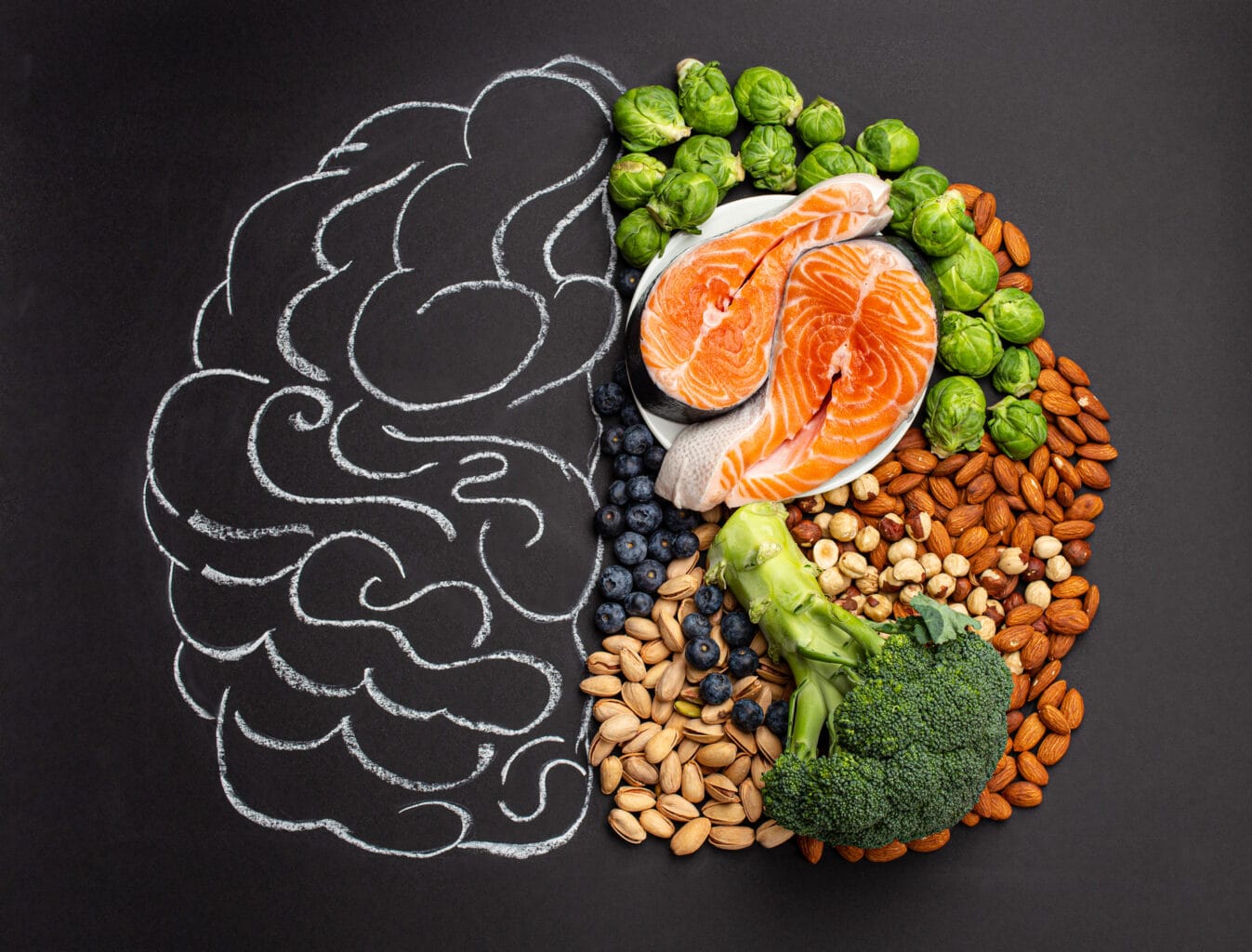
In today’s fast-paced world, mental clarity, sharp focus, and long-term recall are essential for everyday life. Brain foods for memory play a key role in supporting cognitive performance, learning ability, and overall brain health. From students and professionals to older adults, choosing the right foods can naturally help improve brain function without relying on artificial supplements.
This is where brain foods for memory become important. Certain natural foods contain nutrients that support brain cells, protect against oxidative stress, and improve communication between neurons. In this article, we explore eight powerful foods that help improve brain function and memory naturally, using a science‑backed and globally relevant approach.
How Brain Foods for Memory Support Cognitive Health
The brain uses around 20% of the body’s total energy, even though it makes up only about 2% of body weight. This means the quality of fuel we provide matters greatly. Diets rich in antioxidants, healthy fats, vitamins, and minerals are associated with better cognitive performance, while highly processed foods are linked to brain fog and faster cognitive decline.
Including brain foods for memory in your daily meals helps:
- Support neuron growth and repair
- Improve blood flow to the brain
- Reduce inflammation and oxidative stress
- Enhance focus, learning ability, and recall
Let’s look at the eight best foods that naturally support brain function and memory.
1. Fatty Fish – A Powerful Brain Food for Memory
Fatty fish such as salmon, sardines, mackerel, and trout are widely recognized as top foods for brain health. They are rich in omega‑3 fatty acids, especially DHA (docosahexaenoic acid), which is a major structural component of the brain.
Why Fatty Fish Improves Brain Function
Omega‑3 fats support communication between brain cells and help maintain the structure of neurons. Research shows that people who consume omega‑3‑rich foods regularly tend to have better memory and slower age‑related cognitive decline.
How to Include It
Aim to eat fatty fish two times per week. Grilled, baked, or lightly pan‑cooked options are best to preserve nutrients.
2. Blueberries – Antioxidant-Rich Brain Foods for Memory
Blueberries are small but powerful when it comes to brain health. They are rich in antioxidants, particularly flavonoids, which are known to protect the brain from oxidative stress.
How Blueberries Support Brain Health
Antioxidants in blueberries help reduce inflammation and may delay brain aging. Several studies suggest that blueberries can improve memory, learning capacity, and overall cognitive performance.
How to Include It
Add blueberries to smoothies, oatmeal, yogurt, or enjoy them as a snack. Fresh and frozen blueberries both offer benefits.
3. Walnuts – Nutrient-Dense Brain Foods for Memory
Among nuts, walnuts stand out for brain health because their shape even resembles the human brain. More importantly, they contain healthy fats, antioxidants, and vitamin E.
Cognitive Benefits of Walnuts
Walnuts support brain function by reducing oxidative damage and inflammation. Vitamin E, found in walnuts, has been linked to slower cognitive decline with aging.
How to Include It
A small handful of walnuts per day is sufficient. They can be eaten raw, added to salads, or mixed into breakfast bowls.
4. Eggs – Essential Brain Foods for Memory and Focus
Eggs are a nutrient‑dense food that provides several key compounds important for brain function. They are especially rich in choline, vitamin B12, and folate.
Role of Eggs in Brain Function
Choline is essential for producing acetylcholine, a neurotransmitter involved in memory and learning. Adequate intake of choline has been linked to improved cognitive performance and memory support.
How to Include It
One whole egg per day fits well into a balanced diet for most healthy individuals. Boiled or lightly cooked eggs are ideal options.
5. Dark Chocolate – Brain Foods for Memory and Mental Alertness
Dark chocolate with a high cocoa content is not only enjoyable but also beneficial for the brain. It contains flavonoids, caffeine, and antioxidants.
How Dark Chocolate Enhances Brain Function
Flavonoids in cocoa may improve blood flow to the brain, enhancing focus and processing speed. Moderate consumption has been linked to improved mood and mental performance.
How to Include It
Choose dark chocolate with at least 70% cocoa and limit intake to small portions to avoid excess sugar.
6. Leafy Green Vegetables – Natural Brain Foods for Memory
Leafy greens such as spinach, kale, broccoli, and lettuce are rich in essential nutrients that support cognitive health.
How It Helps the Brain
These vegetables provide vitamin K, lutein, folate, and beta carotene. Studies suggest that regular consumption of leafy greens may slow cognitive decline and support long‑term brain health.
How to Include It
Include at least one serving of leafy greens daily in salads, soups, smoothies, or cooked dishes.
7. Turmeric
Turmeric is a golden spice used widely across cultures and cuisines. Its active compound, curcumin, is known for its strong antioxidant and anti‑inflammatory properties.
How It Helps the Brain
Curcumin can cross the blood‑brain barrier and may help improve memory while reducing inflammation linked to brain aging. It is often included in discussions around brain foods for memory due to its unique protective effects.
How to Include It
Use turmeric in cooking, soups, and warm beverages. Pairing it with black pepper improves curcumin absorption.
8. Pumpkin Seeds
Pumpkin seeds are small but rich in essential minerals and antioxidants that support brain function.
How It Helps the Brain
They contain zinc, magnesium, iron, and copper, all of which play roles in nerve signaling and cognitive processes. Zinc deficiency, in particular, has been associated with impaired memory and learning.
How to Include It
Enjoy pumpkin seeds as a snack or sprinkle them over salads, soups, and breakfast dishes.
How to Build a Brain‑Healthy Diet
Including brain foods for memory is not about focusing on one single food but building a balanced eating pattern. Combine healthy fats, colorful fruits, vegetables, whole grains, and adequate hydration for optimal results.
Consistency matters more than perfection. Small daily choices add up over time and support long‑term brain health.
Conclusion
Improving brain function and memory does not require expensive supplements or complicated routines. Nature already provides powerful options in the form of nutrient‑rich foods. By including fatty fish, berries, nuts, eggs, leafy greens, and spices like turmeric, you naturally support cognitive health at every stage of life.
These brain foods for memory work best when combined with a balanced lifestyle that includes quality sleep, regular physical activity, and stress management. Start small, eat mindfully, and give your brain the nourishment it deserves.
Frequently Asked Questions (FAQs)
1. How long does it take for brain foods to improve memory?
Brain health improvements depend on consistency. Many people notice better focus within weeks, while long‑term memory benefits develop over months.
2. Can brain foods replace supplements?
For most people, a balanced diet rich in brain foods for memory can meet nutritional needs. Supplements may be helpful in specific deficiencies, but whole foods remain the foundation.
3. Are these foods suitable for all ages?
Yes, these foods are generally safe and beneficial for children, adults, and older individuals when consumed in appropriate portions.
4. How often should I eat brain‑boosting foods?
Including a variety of brain‑supporting foods daily or several times a week provides the best results.
5. Do brain foods help prevent memory loss completely?
While no food can guarantee prevention, a healthy diet significantly lowers the risk of cognitive decline and supports overall brain function over time.