5 Best Vitamins for Quick Hair Growth
If your hair is slow to grow or falling out, nutrients matter. Supplements can help only when paired with a balanced diet and good hair care. Here we explain the 5 best vitamins & minerals that support faster, healthier hair growth, how they work, natural food sources, recommended supplements (available on Amazon) and simple tips to get results. In this guide we focus on the best vitamins for hair growth so you can choose the right supplements and habits to see faster, healthier results.
Why Vitamins Matter for Hair
Hair follicles need protein, oxygen and micronutrients to make strong strands. Deficiencies (especially Biotin, Vitamin D, Iron, Zinc) can cause thinning and shedding. Vitamins help by:
- Supporting keratin and collagen synthesis
- Reducing oxidative stress on follicles
- Improving scalp circulation and follicle activation
Best vitamins for hair growth — Top 5 explained
1) Biotin (Vitamin B7) — The most popular hair vitamin
How it works: Biotin supports keratin production (the protein that forms hair and nails).
Benefits: Strengthens roots, reduces breakage, improves hair thickness and shine.
Natural sources: Eggs, almonds, walnuts, sweet potato, banana, spinach.
Amazon recommended: Himalayan Organics Biotin 10,000 mcg (vegetarian).
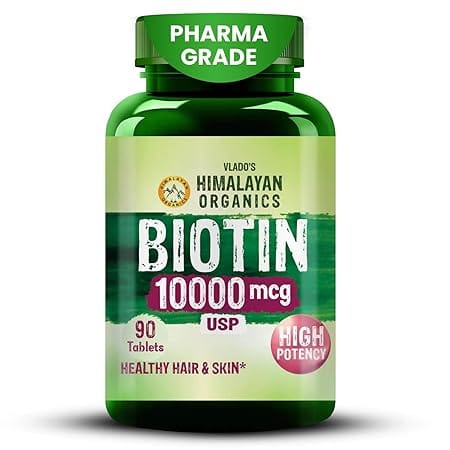

Dosage & tip: Typical supplemental doses range 2,500–10,000 mcg/day. Take after breakfast. Expect visible improvement in 2–3 months. If you’re on medications or pregnant, consult a doctor.
2) Vitamin E — Antioxidant that improves scalp circulation
How it works: Vitamin E neutralizes free radicals and supports healthy blood flow to the scalp.
Benefits: Nourishes roots, reduces dryness and dandruff, may reduce hair fall.
Natural sources: Sunflower seeds, almonds, spinach, avocado, olive oil.
Amazon recommended: Evion 400 Vitamin E Capsules (can be taken orally or mixed into oils for topical use).
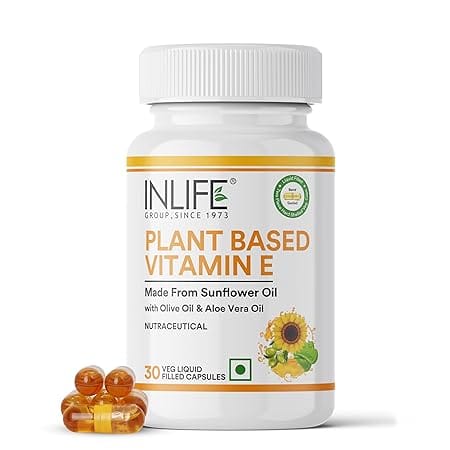

DIY tip: Pierce 1–2 capsules into warm coconut oil and massage into the scalp for 20–30 minutes, then wash.
3) Vitamin D — Follicle activator
How it works: Vitamin D plays a role in the hair growth cycle and formation of new follicles.
Benefits: Helps reactivate dormant follicles, reduces thinning associated with deficiency.
Natural sources: Morning sunlight (10–20 mins), fatty fish, eggs, fortified milk, mushrooms.
Amazon recommended: Carbamide Forte Vitamin D3 5000 IU (one tablet daily, if deficient).
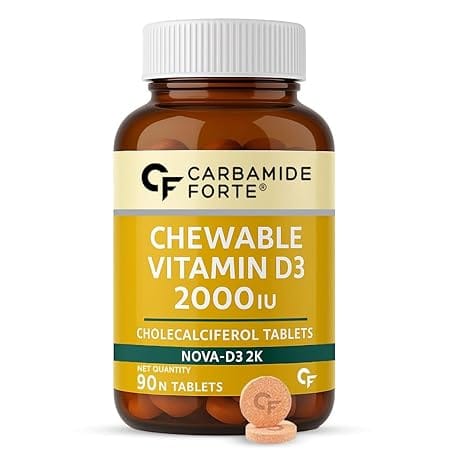

Tip: Get your 25(OH)D level tested and supplement accordingly; sunlight alone may be insufficient in many people.
4) Vitamin C — Collagen booster & antioxidant
How it works: Vitamin C is essential for collagen synthesis (scalp connective tissue) and enhances iron absorption. It also protects hair from oxidative damage.
Benefits: Strengthens hair structure, reduces breakage, supports faster growth.
Natural sources: Amla, oranges, strawberries, lemons, papaya.
Amazon recommended: Vitamin C Effervescent Tablets (quickly restore levels and improve absorption).
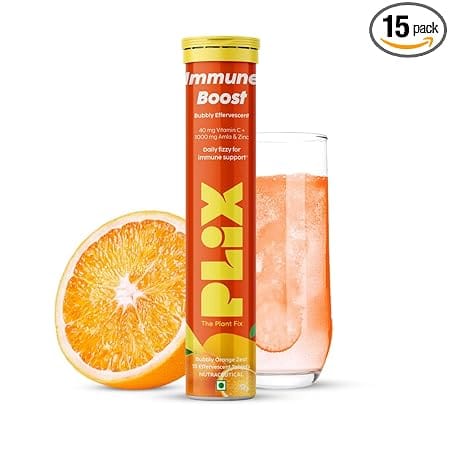

Tip: Pair iron-rich meals with Vitamin C to improve iron uptake (important for hair health).
5) Iron & Zinc — Essential minerals, often overlooked
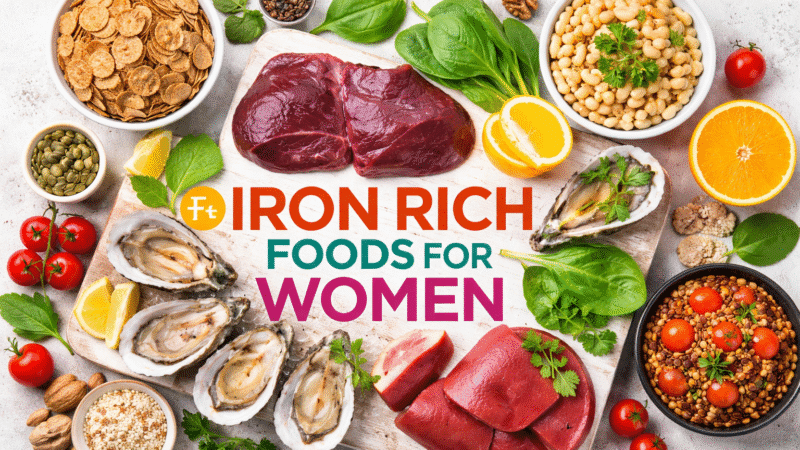
How they work: Iron carries oxygen to hair follicles; zinc supports protein synthesis and follicle repair. Deficiency is a common cause of hair thinning.
Benefits: Strengthen roots, reduce hair shedding, support scalp health.
Natural sources: Green leafy vegetables, beans, lentils, chickpeas, eggs, fish, lean red meat.
Amazon recommended: Healthveda Iron + Zinc Supplement (formulated for hair, skin & nails).
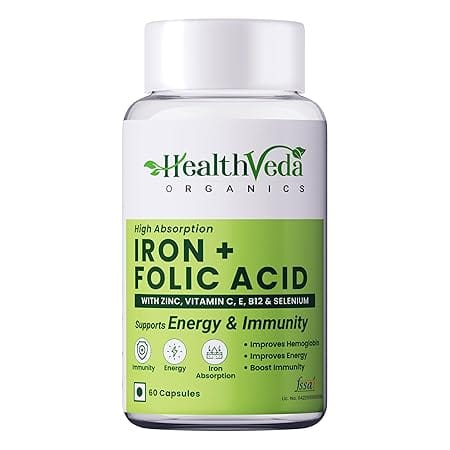

Tip: Take iron with Vitamin C and avoid taking calcium at the same time (calcium reduces iron absorption).
5 Daily Habits to Boost Results (Do these along with supplements)
- Balanced diet: Ensure adequate protein, healthy fats, vitamins and minerals.
- Stress management: Practice meditation, yoga or breathing exercises — stress accelerates hair loss.
- Gentle hair care: Use sulfate-free shampoo, avoid harsh chemical treatments and excessive heat.
- Scalp massage: Twice-weekly oil massages (coconut/aml a/olive) increase circulation.
- Hydration & sleep: Drink 7–8 glasses of water and aim for 7–8 hours of sleep nightly.
Evidence & Safety Notes
- Supplements can help when a deficiency exists; they are not a universal cure for genetic hair loss (androgenetic alopecia).
- Always prefer food-first; supplements are to fill gaps.
- Get relevant blood tests (Vitamin D, ferritin/iron, zinc) if you have significant or sudden hair loss.
- Consult a doctor before starting high-dose supplements, especially if you are pregnant, breastfeeding, on medication, or have chronic conditions.
Conclusion
To speed hair growth and reduce fall, focus on Biotin, Vitamin E, Vitamin D, Vitamin C and Iron+Zinc — combined with a protein-rich diet, scalp care and stress control. Supplements like the Amazon products listed can be helpful if you have low levels, but testing and medical advice make results safer and more reliable.
FAQ (Quick Answers)
Q1: Will taking only vitamins make my hair grow?
No — vitamins help but must be combined with a balanced diet and proper hair routine
Q2: How long to see results from Biotin?
Typically 2–3 months of daily use for noticeable improvement.
Q3: Do hair vitamins have side effects?
At recommended doses, most are safe. High doses or interactions can cause issues — consult your doctor.
Q4: Which vitamins reduce hair fall most?
Biotin and Vitamin E are commonly effective; correcting iron deficiency often reduces shedding dramatically.
Q5: Are these vitamins suitable for both men and women?
Yes — they are unisex and benefit both genders.