Best Biotin for Hair Fall | बाल झड़ने के लिए बेस्ट बायोटिन
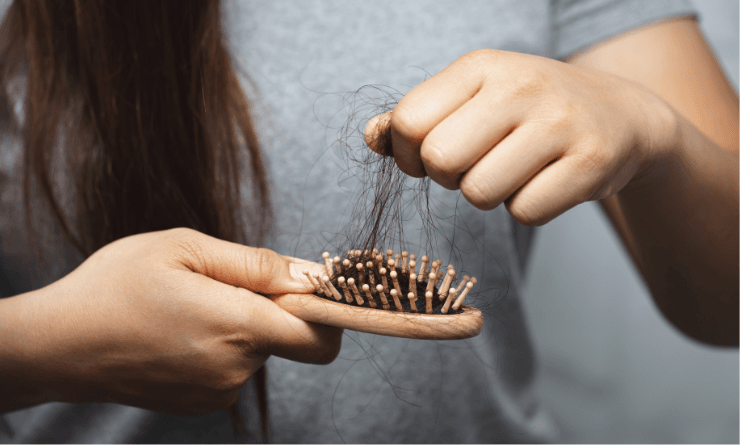
Hair fall is not only a cosmetic concern — many times it is also a signal of underlying health conditions.
If you are experiencing repeated hair fall, Biotin supplements may be necessary.
In this article, we will understand Biotin from a scientific and medical perspective.
Biotin (Vitamin B7) is crucial for hair and skin health. It also supports nails and metabolism. With the right dosage, hair fall can be reduced effectively.
Biotin — Scientific and Medical Introduction
Biotin (Vitamin B7 / Vitamin H) is a water-soluble vitamin. It acts as a coenzyme for several important enzymes in the body. This helps in the breakdown of fats and proteins.
Additionally, Biotin plays a major role in amino acid metabolism and glucose production, which provides energy to cells and strengthens hair roots.
In other words, Biotin supports the formation of proteins such as keratin, which directly impacts skin, hair, and nails.
Best Biotin for Hair Fall and Its Mechanism
- Keratin Biosynthesis Support: Biotin regulates protein metabolism, which ensures effective formation of keratin, the primary component of hair fibers.
- Impact on Follicle Function: Biotin supports cell renewal of scalp and hair follicles. It works best in cases where deficiency is evident.
- Inflammation and Scalp Health: Improved metabolic function can reduce inflammation, keeping the scalp healthy and supporting hair growth.
Biotin Deficiency — Signs and Causes
Clinical Signs
- Sudden or diffuse hair thinning
- Skin rashes (dermatitis), especially on the face and scalp
- Weak or brittle nails
- Fatigue, depression, or other non-specific complaints
Common Causes
- Long-term use of antibiotics or anti-seizure medicines
- Processed food intake and malnutrition
- Raw egg consumption (avidin in raw egg binds biotin and prevents absorption)
- Rare genetic enzyme defects affecting biotin metabolism
- Temporary deficiency during pregnancy or in newborns
👉 If you notice these symptoms, consult a doctor and get blood tests done, as hair fall can also be due to thyroid, iron deficiency, or hormonal imbalance.
When Biotin Really Helps
- Clinically Proven Deficiency Cases: When biotin deficiency is confirmed through tests, supplements improve hair and nail health.
- Multiple Nutrient Deficiencies: In cases of poor diet and lack of several micronutrients, biotin combined with other vitamins shows better results.
⚠️ Note: In androgenic alopecia (pattern baldness), biotin alone will not produce miraculous results.
How to Choose the Right Biotin Supplement — Professional Guide
- Dosage & Form: General dosage ranges between 5,000–10,000 mcg. For daily use, 30–100 mcg is sufficient.
- Third-Party Certification: Choose products tested by USP, NSF, or reliable labs.
- Purity: Avoid unnecessary colors, sugar (in gummies), or artificial flavors if you have sensitivities.
- Vegan or Non-Vegan: Check the label if you prefer vegetarian or vegan capsules.
- Single vs. Combo Formula: Biotin works better when combined with Vitamin C, Iron, or Vitamin D — but consult your doctor first.
Best Biotin for Hair Fall Supplements in India (Amazon Affiliate Options)
Here are some popular options (check reviews, expiry, and seller credibility before buying):
- HealthKart Biotin 10,000 mcg — High-potency support
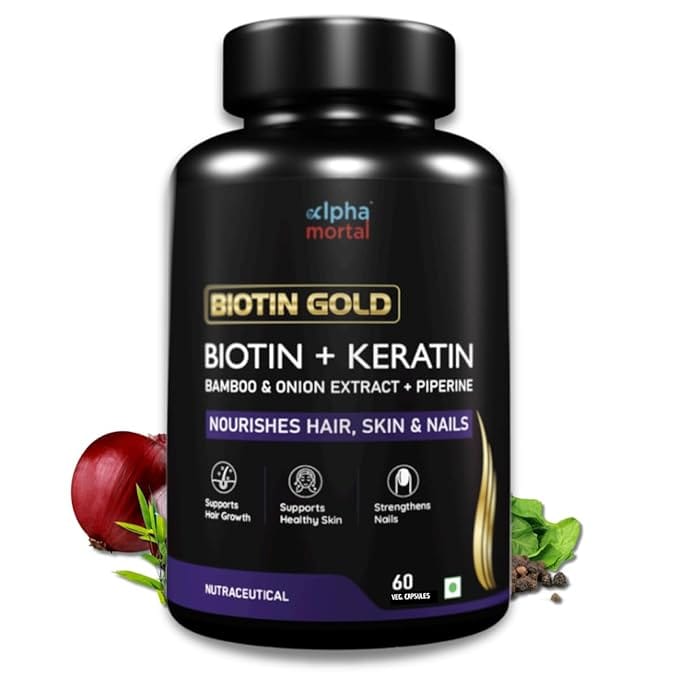

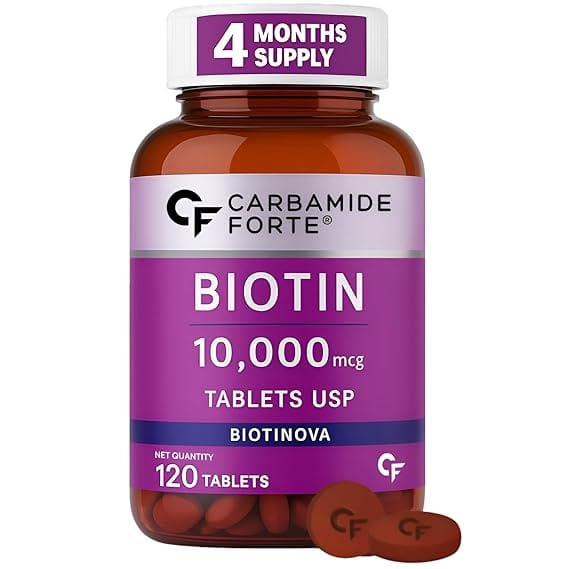
- Carbamide Forte Biotin 10,000 mcg — Popular clinical formula

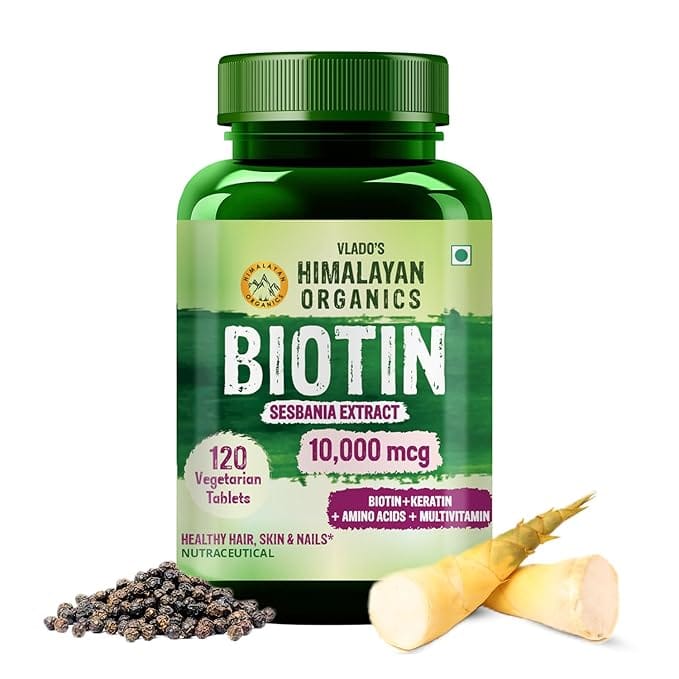
- Himalayan Organics Biotin — Plant-based and organic option

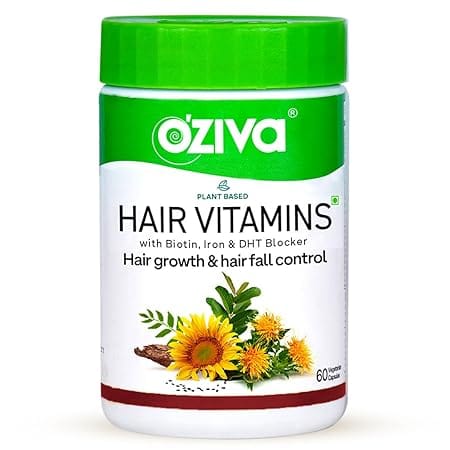
- OZiva Plant Based Biotin — Herbal supplement

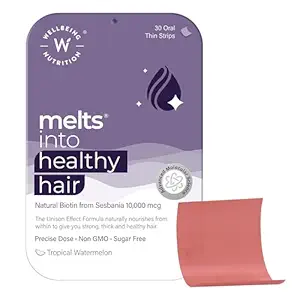
- Wellbeing Nutrition Slow Biotin — Slow-release technology

👉 If you want strong and shiny hair, these Biotin supplements can be a good option. They not only support hair growth but also maintain long-term hair health.
Biotin Dosage, Usage, and Timeline
- Restoring Deficiency: Doctors usually recommend 2.5–10 mg (2500–10,000 mcg) daily for 3–6 months.
- Routine Support: 30–100 mcg daily is sufficient as a dietary supplement.
- Timeline: Visible results usually appear after 8–12 weeks, but full results require at least 3–6 months.
Biotin Safety, Interactions, and Lab Test Interference
- Side Effects: Generally safe, but in rare cases may cause stomach upset, rashes, or allergies.
- Drug Interactions: Some antibiotics and anti-convulsants may reduce biotin levels.
- Lab Test Interference: High-dose biotin can interfere with certain lab tests (thyroid, troponin, hormone assays). Inform your doctor or lab technician if you are taking biotin.
Doctor-Recommended Tips
- Always identify the root cause of hair fall — don’t rely only on supplements.
- Get blood tests done: Thyroid profile, Iron/Ferritin, Vitamin D, Vitamin B12, and biotin levels if needed.
- Maintain a balanced diet rich in protein, healthy fats, iron, Vitamin D, and other micronutrients.
FAQs
Q1. Does Biotin make the scalp oily?
A: Usually no. But if gummies contain sugar or additives, scalp balance may change. Choose clean products.
Q2. Can Biotin reverse white hair?
A: No. Biotin supports hair growth and quality, not pigmentation.
Q3. Can I take Biotin during pregnancy?
A: Only under medical supervision. Some doctors recommend low doses in specific cases.
Q4. Which lab tests are affected by high-dose Biotin?
A: Thyroid tests, hormone assays, and certain cardiac markers like troponin. Always inform your doctor.
Q5. How long before results appear?
A: Initial improvements may be visible in 8–12 weeks; clear results usually take 3–6 months.
Conclusion
Biotin is a useful and safe supplement, especially for people with proven deficiency. As a result, it supports healthy hair, skin, and nails.
However, it is not a one-stop solution. The right approach is:
✅ Identify the root cause of hair fall
✅ Maintain a balanced diet
✅ Take Biotin supplements only with medical guidance
With the right dose and consistent use, Biotin can help you achieve strong, healthy, and shiny hair.