Mutton Liver Benefits (Goat Liver): Vitamin B12, Iron, Nutrition & Side Effects
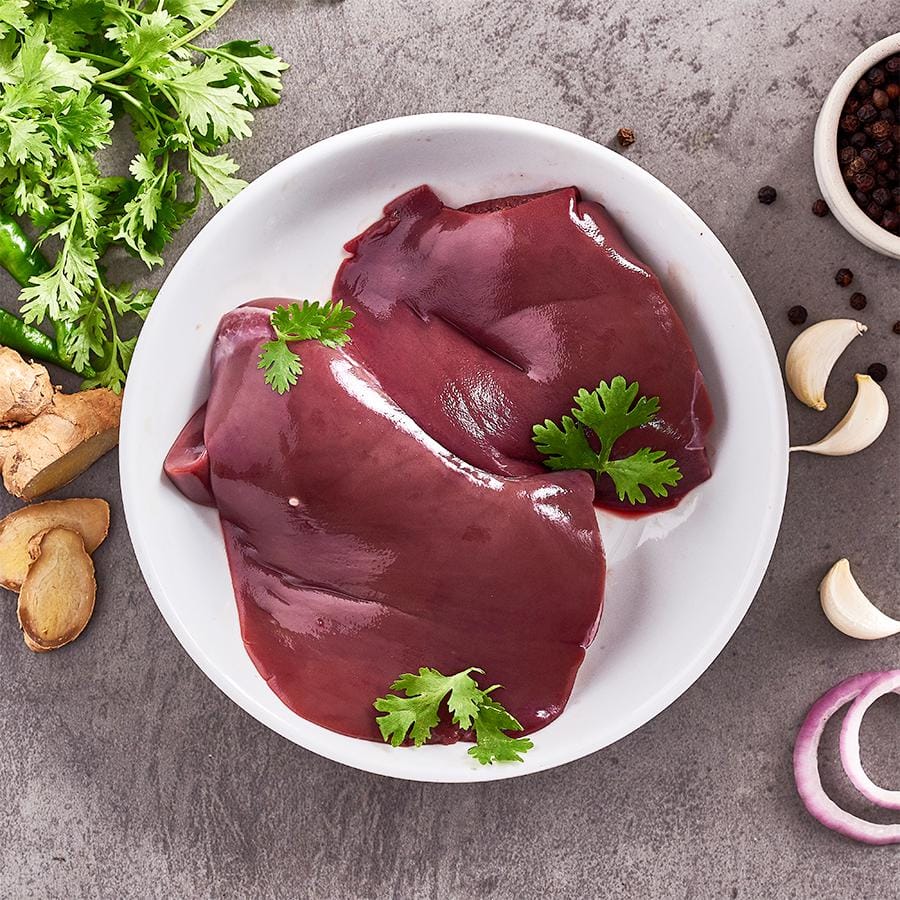
The benefits of mutton liver make this nutrient-dense food one of the healthiest choices for boosting energy, immunity, and overall wellness. Packed with vitamin A, B12, iron, folate, and high-quality protein, mutton liver has been valued in traditional diets for centuries. Modern research acknowledges organ meats as nutritional powerhouses, but they also come with considerations such as cholesterol and vitamin toxicity. This article explores the nutritional composition of mutton liver, examines why it can be healthy when eaten in moderation, and offers practical advice for preparation.
Nutritional Benefits of Mutton Liver
Mutton liver is a nutrient-dense food. A serving of 100 grams provides protein, minerals, and essential vitamins that explain many benefits of mutton liver when included responsibly in a balanced diet. A serving of 100 grams (about 3.5 ounces) of mutton liver provides roughly 169 calories, 26.5 grams of protein, 4.5 grams of fat and 3.8 grams of carbohydrates. Most of these calories come from protein, making mutton liver a high-protein, low-carbohydrate food.
Besides macronutrients, mutton liver contains a variety of vitamins and minerals that contribute to the benefits of mutton liver, especially for immunity, blood health, and energy production. It is rich in vitamin A, vitamin B12, iron, zinc, and copper—nutrients that support red blood cell formation, immune health, skin health, and vision.
In the context of organ meats, lamb liver stands out for its exceptional vitamin B12 content; just 100 grams of lamb liver provides approximately 3,571% of the DV for vitamin B12 and is also high in copper, selenium and vitamin B2.
Vitamin A and the Key Health Benefits of Mutton Liver
Mutton liver is one of the richest natural sources of pre-formed vitamin A (retinol). Research from WebMD notes that a single serving of beef or lamb liver provides more than 100% of the daily requirement for vitamin A. Vitamin A is essential for healthy vision, proper immune function and skin integrity. Nutrition experts often highlight that the benefits of mutton liver are especially strong because it delivers vitamin A in a highly absorbable form.
However, because vitamin A is fat-soluble and stored in the body, excessive intake can lead to toxicity. Doctors generally recommend limiting consumption of liver to no more than one serving per week to avoid vitamin A overload.
B Vitamins for Energy and Brain Health
Mutton liver supplies a plethora of B vitamins, including vitamin B12, riboflavin (B2), niacin (B3) and folate (B9). Healthline’s nutrition analysis shows that a 100‑gram serving of liver provides 2,917 % of the DV for vitamin B12, 261 % for riboflavin and 63 % for folatehealthline.com. These vitamins play crucial roles in energy metabolism, red blood cell formation and DNA synthesis. Vitamin B12 is particularly important for nerve health and cognitive function; low intake can cause fatigue, memory problems and mood disturbances. WebMD notes that liver is one of the best sources of vitamin B12, and that this nutrient supports the nervous system and helps prevent anemiawebmd.com.
Besides B vitamins, mutton liver contains choline, a nutrient necessary for brain development, memory and liver functionhealthline.com. Choline has been linked to improved cognitive performance and may help prevent fatty liver disease.
Minerals: Iron, Copper, Zinc and Selenium
Iron
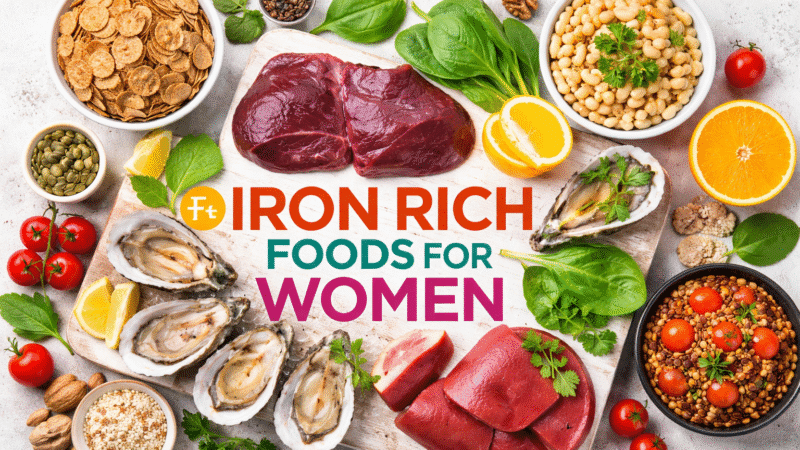
One of mutton liver’s most renowned benefits of mutton liver is its high heme iron content. This makes it an effective food for preventing iron-deficiency anemia. Iron is essential for hemoglobin production and for carrying oxygen in the blood.
Copper and Zinc
Mutton liver is also high in copper and zinc. The Healthline B12 article notes that lamb liver is exceptionally rich in copper, providing more than 1,500 % of the DVhealthline.com. Copper is required for energy production, iron metabolism and brain development. Zinc acts as an antioxidant, supports immune function and aids wound healingjackednutrition.pk.
Selenium
Selenium is another important mineral found in organ meats. It functions as an antioxidant and supports thyroid health. Lamb liver contains significant amounts of selenium along with vitamin B2healthline.com.
Protein: High‑Quality Amino Acids
Protein makes up the majority of the calories in mutton liver. A 100‑gram serving provides about 26–29 grams of proteinsnapcalorie.comhealthline.com, containing all essential amino acids needed for tissue repair, muscle growth and enzyme production. WebMD explains that foods high in protein help you feel full longer and support muscle, skin and bone healthwebmd.com. Cleveland Clinic emphasises that high‑protein foods like liver help with weight management by promoting satiety and aiding muscle maintenancehealth.clevelandclinic.org.
Health Benefits of Mutton Liver
1. Natural Multivitamin and Antioxidant Support
Because of its dense nutrient profile, mutton liver is often called a natural multivitamin. The Jacked Nutrition article refers to organ meats as natural multivitamins rich in B vitamins, vitamin D, vitamin A and mineralsjackednutrition.pk. These nutrients collectively support immune function, skin health and metabolic processes. Vitamin A acts as a powerful antioxidant; it helps protect cells from free‑radical damage, maintains healthy mucous membranes and supports the growth of immune cellsmensxp.com.
2. Prevention of Anemia and Support for Red Blood Cells
The combination of heme iron, vitamin B12 and folate makes mutton liver a powerful ally against anemia. The India TV article notes that mutton liver helps improve oxygen supply to the body and prevents anemiaindiatvnews.com. Healthline emphasises that organ meats contain heme iron, which the body absorbs more easily than non‑heme iron found in plant foodshealthline.com. Historically, doctors used liver to treat pernicious anemia, and it remains an effective dietary intervention for boosting iron and B12 intakewebmd.com.
3. Energy Metabolism and Weight Management
Protein and B vitamins in mutton liver aid energy metabolism. High protein intake is known to reduce hunger and boost metabolic ratehealthline.com. Mutton liver provides high‑quality protein that can support muscle maintenance and weight management. Additionally, the B vitamins (particularly B12, riboflavin and niacin) act as coenzymes in metabolic pathways that convert food into energy. For individuals following low‑carbohydrate or ketogenic diets, mutton liver offers a nutrient‑dense option with minimal carbssnapcalorie.com.
4. Brain and Nervous System Health
The B vitamins and choline in mutton liver play a significant role in cognitive function and mental health. MensXP’s article states that B vitamins—especially B12—contribute to brain health and may reduce the risk of age‑related cognitive declinemensxp.com. Choline supports the production of acetylcholine, a neurotransmitter involved in memory and learningjackednutrition.pk. Adequate intake of these nutrients helps maintain nerve integrity and may improve mood and concentration.
5. Immune System and Skin Health
Vitamin A and zinc make mutton liver a potent immune booster. Vitamin A regulates the growth and function of immune cells and helps maintain healthy skin and mucous membranesmensxp.com. Zinc and selenium, found in significant amounts in liver, also support immune defencejackednutrition.pk. Because vitamin A also influences collagen production, adequate intake can promote youthful skin and better wound healing.
6. Bone Health and Vitamin D
Mutton liver contains small amounts of vitamin D, phosphorus and calcium, which together support bone health. Some articles mention that goat liver is a source of phosphorus, calcium and vitamin D, promoting strong bones and teeth. Although the exact vitamin D content in mutton liver may be modest compared with fish or fortified dairy, including it as part of a balanced diet can contribute to overall vitamin D intake. Vitamin K in liver also contributes to bone mineralisationwebmd.com.
7. Low‑Calorie, Nutrient‑Dense Choice
Despite being nutrient dense, mutton liver is relatively low in calories. Jacked Nutrition notes that a three‑ounce serving of liver provides only about 140 caloriesjackednutrition.pk. This makes it a good choice for people seeking nutrient‑rich foods without excessive caloric load.
Potential Risks and Considerations
While mutton liver offers numerous health benefits, it is important to consume it in moderation.
Cholesterol and Saturated Fat
Liver is high in dietary cholesterol. WebMD explains that a 3‑ounce serving of beef liver contains about 310 milligrams of cholesterolwebmd.com. Although dietary cholesterol doesn’t influence blood cholesterol levels as strongly as once believed, people managing high cholesterol or taking cholesterol‑lowering medications should limit their intakewebmd.com. Overconsumption can also contribute to hyperlipidemia in susceptible individuals.
Vitamin A Toxicity
Because liver is loaded with vitamin A, regular consumption of large amounts can lead to vitamin A toxicity. Symptoms include nausea, headaches and bone pain, and chronic high intake may cause liver damage or skeletal problemswebmd.com. Experts recommend limiting consumption to one serving per weekwebmd.com. Pregnant individuals should be especially careful; high pre‑formed vitamin A intake has been linked to birth defectshealthline.com.
Purines and Gout
Organ meats like mutton liver contain purines, compounds that break down into uric acid. People with gout or kidney problems may need to limit intake to avoid flare‑ups. The Healthline article notes that those with gout should avoid or limit organ meatshealthline.com.
Safety and Preparation
As with all meats, proper handling and cooking are essential. Jacked Nutrition cautions against eating raw liver due to the risk of food‑borne pathogens like Salmonella and E. colihealth.clevelandclinic.org. Always wash and cook mutton liver thoroughly. Boiling, sautéing or slow‑cooking are common methods; deep frying adds extra fat and may diminish some nutrients. India TV suggests boiling or cooking with vegetables instead of frying, and recommends eating liver only once or twice a weekindiatvnews.com.
How to Include Mutton Liver in Your Diet
Cooking Tips
- Marinate to improve texture: Because liver has a distinctive, sometimes metallic taste, soak slices in milk, lemon juice or buttermilk for 30–60 minutes before cooking. This helps neutralise strong flavours.
- Quick sauté: Sauté thin slices of liver with onions, garlic and spices for a flavorful dish. Avoid overcooking; liver becomes tough and rubbery when cooked too long.
- Curry or gravy: Slow‑cook liver pieces with onions, tomatoes, spices and herbs to make a rich gravy. In India, popular dishes include mutton liver curry and liver masala.
- Stir‑fry with vegetables: Combine liver with bell peppers, carrots, spinach or other veggies for a balanced meal.
- Pâté or spread: Cook and blend liver with herbs, spices and butter to create a spreadable pâté for sandwiches or crackers.
Serving Suggestions
- Pair with fibre‑rich foods such as whole‑grain bread, brown rice or leafy greens to balance the richness of liver.
- Use moderate portions: A serving of 75–100 grams (about 3–4 ounces) is usually enough to reap the benefits without risking nutrient overload.
- Complement with vitamin C: Vitamin C aids iron absorption; pair liver with vitamin C‑rich foods like lemon juice, bell peppers or tomatoes.
FAQs about Mutton Liver
Is mutton liver good for health?
Yes. It is rich in Vitamin B12, iron, protein and essential nutrients. It supports energy, red blood cells and brain health when eaten in moderation.
2. Is mutton liver high in Vitamin B12?
Yes. Goat liver is one of the richest natural sources of Vitamin B12.
3. How often can we eat mutton liver?
1–2 times per week is usually considered safe for healthy adults. People with liver disease, high cholesterol or pregnancy should ask a doctor first.
4. Who should avoid eating mutton liver?
Pregnant women, people with very high cholesterol, gout, uric acid or liver problems should consult a doctor before eating.
5. Is goat liver better than chicken liver?
Goat liver has more Vitamin B12 and iron. Chicken liver is lighter and slightly lower in cholesterol. Both are nutritious in moderation.
Conclusion
Mutton liver is often overlooked in modern diets, yet it offers a concentrated source of vitamins, minerals and high‑quality protein. With abundant vitamin A, B vitamins, iron, zinc, copper and selenium, it functions almost like a natural multivitamin. Regular but moderate consumption can help prevent anemia, support energy metabolism, boost the immune system, enhance cognitive function, and promote healthy skin and vision. However, due to its high content of cholesterol and vitamin A, it should be eaten in moderation—generally no more than one serving per weekwebmd.com. Pregnant individuals, those with gout or high cholesterol and anyone with liver conditions should consult a healthcare provider before adding it to their diet.
When prepared properly and enjoyed responsibly, mutton liver can be a delicious and economical way to enrich your diet with essential nutrients. Whether you prefer it sautéed, curried or made into a savory spread, this nutrient‑dense organ meat deserves a place on your plate.