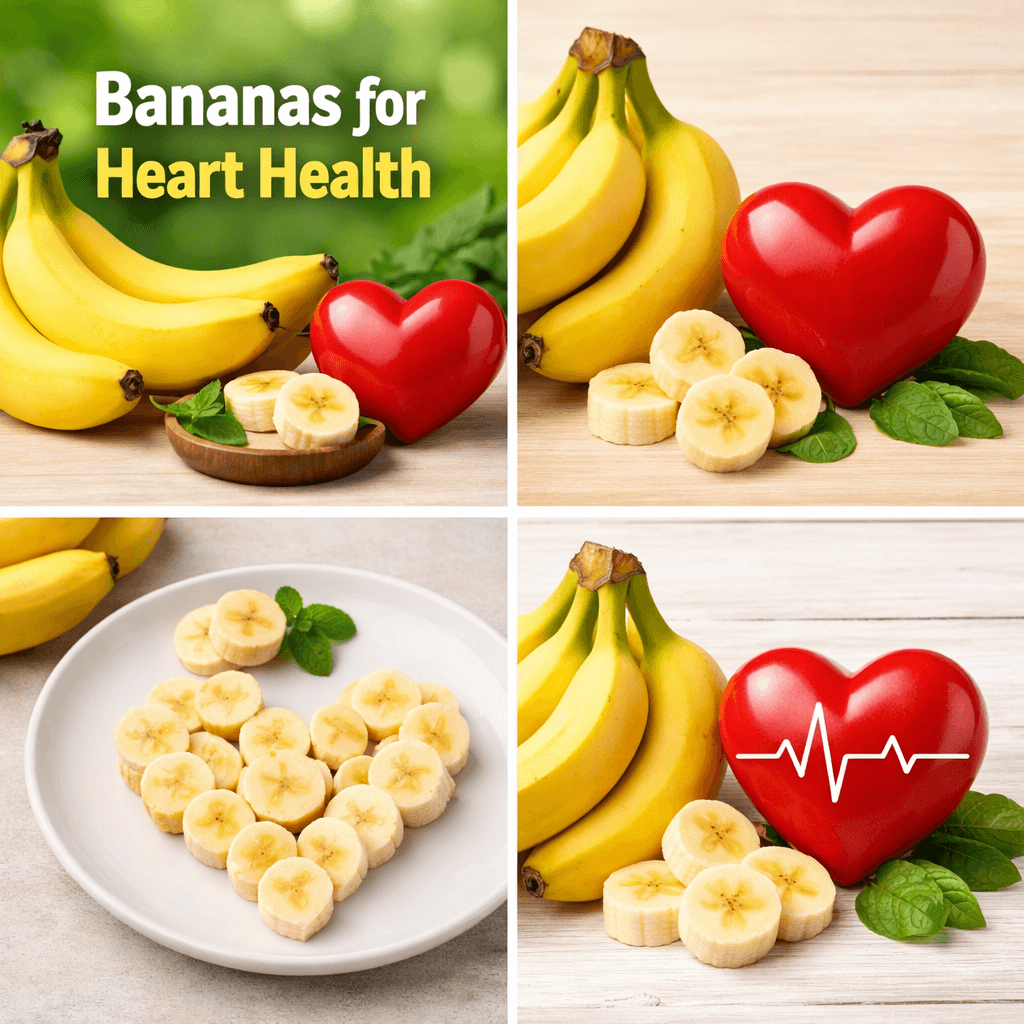
Bananas for Heart Health: Why Adding Bananas to Your Diet Helps Your Heart
When it comes to simple foods that offer powerful health benefits, the humble banana often tops the list. You may already enjoy this bright yellow fruit as a breakfast booster or on‑the‑go snack, but bananas for heart health might not be the first connection that comes to mind. Yet research shows that bananas are packed with nutrients — including potassium, fiber, folate and vitamin C — that play a critical role in keeping your heart strong. This article explores why adding bananas to your diet helps your heart, how their nutrient profile supports cardiovascular health, and creative ways to enjoy them daily without getting bored.
Nutritional profile: what makes bananas heart‑healthy?
Potassium powerhouse for cardiovascular health
Bananas are best known for their high potassium content. A medium ripe banana (around 7 – 8 inches long) provides roughly 422 milligrams of potassium, which is almost 10 % of your daily requirement. Some sources note that a medium banana contains about 375 mg of potassium, or 11 % of the recommended daily intake for men and 16 % for women. Potassium is an electrolyte that carries an electrical charge and causes nerve cells to send out signals to keep the heart beating regularly. It also helps maintain the body’s fluid balance and offsets excess sodium.
Heart‑healthy fiber and resistant starch
In addition to potassium, bananas are a good source of dietary fiber. A medium banana offers around 3 grams of fiber or 5 grams of total dietary fiber depending on size and ripeness. Fiber helps you feel full longer and supports healthy digestion. More importantly for cardiovascular health, fiber helps lower levels of low‑density lipoprotein (LDL) or “bad” cholesterol. A 2017 review found that people who consumed high‑fiber diets had a lower risk of cardiovascular disease and lower LDL cholesterol levels than those on low‑fiber diets.
Bananas also contain resistant starch, especially when they are slightly green or unripe. Resistant starch acts like a prebiotic, feeding beneficial gut bacteria. It resists digestion in the small intestine, which means it doesn’t spike blood sugar and may support weight management and metabolic health. The resistant starch in bananas functions similarly to dietary fiber, giving bananas a low glycemic index (around 42 – 51 depending on ripeness).
Heart‑protective vitamins, antioxidants and folate
Beyond potassium and fiber, bananas provide vitamins such as vitamin C and vitamin B6, plus folate and antioxidants. Vitamin C acts as an antioxidant that neutralizes free radicals, while vitamin B6 helps support the immune and nervous system. Bananas also supply magnesium (about 31 mg), choline, and carotenoids.
How bananas support heart & cardiovascular health
Regulating blood pressure for cardiovascular health with potassium
High blood pressure is a major risk factor for heart disease. Too much sodium causes fluid retention and increases pressure on blood vessel walls. Potassium helps the body flush out sodium and eases tension in blood vessels. Eating bananas can help manage blood pressure because their potassium content promotes sodium excretion and relaxes blood vessel walls. The Cleveland Clinic notes that bananas lower blood pressure by helping your body get rid of sodium and easing tension on blood vessel walls. The American Heart Association (AHA) recommends eating potassium‑rich foods like bananas to manage hypertension and lower the risk of heart attack and stroke.
Stabilizing heart rhythm naturally with bananas
As an electrolyte, potassium plays a direct role in the electrical activity of the heart. It helps regulate the heartbeat by sending electrical impulses through nerve cells and muscle tissue. According to the Harvard T.H. Chan School of Public Health, the electrical charges carried by potassium cause nerve cells to send signals that make the heart beat regularly and muscles contract. Adequate potassium intake can prevent arrhythmias and improve overall heart function.
Lowering cholesterol for cardiovascular health through fiber
Soluble fiber binds to cholesterol in the digestive tract and helps remove it from the body, thus lowering LDL levels. The 2017 review mentioned earlier found that high‑fiber diets are associated with lower LDL cholesterol and reduced risk of cardiovascular disease. Although bananas are not the highest fiber fruit, their 3–5 grams of fiber per serving contribute meaningfully to daily intake. Eating bananas alongside other fiber‑rich foods like oats, beans and vegetables can support healthy cholesterol levels.
Providing heart‑healthy antioxidants and vitamins
Oxidative stress — damage caused by free radicals — contributes to heart disease and atherosclerosis. Bananas contain antioxidants like vitamin C, carotenoids and dopamine. Cleveland Clinic experts note that the vitamin C in bananas boosts the immune system and neutralizes free radicals before they cause cellular damage. Bananas also contain dopamine, which not only influences mood but also acts as an antioxidant that protects against inflammation. Folate (around 24 µg per medium banana) and vitamin B6 support healthy blood circulation and homocysteine metabolism.
Supporting heart‑healthy weight and glycemic control
Maintaining a healthy weight is crucial for heart health. Bananas are naturally fat‑free, nutrient‑dense and relatively low in calories (about 105 calories per medium fruit). Their fiber and resistant starch promote satiety, helping control appetite and prevent overeating. Because the resistant starch in unripe bananas slows the release of glucose into the blood, bananas can help moderate blood sugar spikes, which is beneficial for those with insulin resistance or diabetes.
Other health benefits of bananas & overall wellness
Digestive health, prebiotics & heart benefits
Bananas provide a blend of soluble and insoluble fiber that keeps bowel movements regular and supports the gut microbiome. The Cleveland Clinic highlights that the soluble fiber in bananas nourishes beneficial gut bacteria and makes them a gentle food for the gastrointestinal tract, which is why bananas are part of the BRAT diet for easing stomach upsets. The AHA also notes that unripe bananas contain resistant starch, which serves as prebiotic fiber feeding probiotics and contributing to immunity and brain health.
Athletic performance, energy & heart health
Bananas can be a natural performance enhancer for athletes. The blend of carbohydrates, potassium and magnesium fuels muscles and aids recovery. Research has shown that bananas can mimic sports drinks in terms of fuel delivery and post‑exercise recovery. Vitamin B6 helps the body produce energy, making bananas an ideal pre‑workout snack.
Mood, memory, nervous system & heart support
Bananas contain tryptophan, an amino acid that the body converts to serotonin, a neurotransmitter associated with mood regulation. The vitamin B6 in bananas helps convert tryptophan into serotonin, potentially promoting feelings of well‑being. Bananas also contain choline and small amounts of magnesium, which support nerve function and cognitive health.
Immune support, disease prevention & heart health
Beyond heart health, bananas offer protection against other diseases. Their antioxidants and nutrients contribute to immune function and may lower the risk of certain cancers. Medical News Today notes that lectin — a protein in bananas — may help prevent leukemia cell growth. Bananas’ vitamin C and other antioxidants also reduce inflammation and support overall immune health.
Potential risks & considerations for heart health
While bananas are generally safe and beneficial, certain individuals should monitor their intake. People with late‑stage kidney disease or those taking medications that increase potassium levels (such as beta‑blockers for heart failure) must be cautious. Helen Hayes Hospital cautions that foods high in potassium can interfere with some medications for high blood pressure and heart failure, and people with kidney failure should monitor potassium consumption. Bananas contain 26 grams of carbohydrates, so those with uncontrolled diabetes should pay attention to portion size and ripeness; pairing a banana with a protein source can help regulate blood sugar.
Some people may experience latex‑fruit syndrome — an allergic reaction triggered by proteins in bananas. Symptoms include itching, hives or swelling, and anyone with suspected allergies should consult a healthcare professional. Additionally, banana chips and banana desserts often contain added sugars, fats and oils that diminish the fruit’s health benefits.
How to incorporate bananas into a heart‑healthy diet
A key advantage of bananas is their versatility. Here are easy and delicious ways to add bananas for heart health into your routine:
Heart‑healthy breakfast upgrades
- Oatmeal topper: Add sliced banana to oatmeal or whole‑grain cereal to boost potassium and fiber. Pair with nuts or seeds for extra protein.
- Smoothie base: Frozen banana chunks make smoothies creamy without added sugar. Blend with spinach, berries and a source of protein such as Greek yogurt.
- Whole‑grain pancakes: Replace some of the butter or sugar in pancake batter with mashed banana to add natural sweetness and reduce fat.
midday snacks
- Banana and nut butter: Pairing banana slices with almond or peanut butter provides fiber, healthy fats and protein, which promotes satiety and balances blood sugar.
- Portable snack: Toss a banana in your bag for an easy, heart‑healthy snack. Its natural packaging makes it ideal for travel.
Heart‑healthy baking & desserts
- Healthy baking substitute: Use mashed ripe bananas to replace half of the sugar or fat in quick breads and muffins. They add moisture and sweetness, reducing the need for refined ingredients.
- Frozen banana treats: Dip sliced banana in yogurt, sprinkle with nuts or seeds, and freeze for a delicious dessert.
- Banana “ice cream”: Blend frozen banana pieces with a splash of milk (dairy or plant‑based) until smooth. Add cocoa powder or berries for flavor.
Heart‑healthy meal enhancements
- Banana salsa: Mix mashed banana with avocado, onion, cumin and lime juice for a heart‑healthy spread. Helen Hayes Hospital suggests using this tropical salsa as a dip or sandwich spread.
- Savory dishes: Green plantains (a cousin of bananas) can be fried, baked or boiled as a source of complex carbohydrates. They pair well with lean proteins and vegetables.
Conclusion Bananas for Heart Health
Incorporating bananas for heart health into your diet is an easy, delicious way to support cardiovascular wellbeing. Bananas provide a potent combination of potassium, fiber, antioxidants and vitamins that help regulate blood pressure, stabilize heart rhythm, lower cholesterol and reduce oxidative stress. Their resistant starch promotes healthy gut bacteria and moderates blood sugar, while their low calorie content and natural sweetness make them a satisfying snack. Although certain individuals should monitor potassium or carbohydrate intake, most people can enjoy bananas daily as part of a balanced diet. Whether added to breakfast bowls, baked into wholesome treats or blended into post‑workout smoothies, bananas are a versatile ally in the quest for a healthy heart.
FAQ Bananas for Heart Health
Are bananas truly heart‑healthy?
Yes. Bananas are rich in potassium, which helps lower blood pressure by flushing out excess sodium and easing tension in blood vessel walls. They also provide fiber, which can lower LDL (“bad”) cholesterol, and antioxidants that reduce inflammation. The AHA recommends potassium‑rich foods like bananas as part of a heart‑healthy diet.
How many bananas should I eat per day for heart health?
Moderation is key. One medium banana offers about 422 mg of potassium and 3–5 grams of fiber. Eating one banana daily can contribute to your nutrient needs without causing excessive sugar or potassium intake. If you have kidney disease or are on potassium‑sparring medications, consult your doctor.
Can bananas raise blood sugar?
Ripe bananas contain natural sugars and have a low to moderate glycemic load. Green or less‑ripe bananas have more resistant starch, which slows digestion and minimizes blood sugar spikes. If blood sugar control is a concern, choose less ripe bananas and pair them with a protein source like nuts or Greek yogurt.
Are banana chips or banana breads healthy alternatives?
Not always. Commercial banana chips are often fried and coated in oil or syrup, adding extra calories, fats and sugars. Banana bread and pastries can be high in sugar and refined flour. To make healthier versions, use mashed banana to replace some of the fat and sugar, choose whole‑grain flour and limit added sweeteners.
What are the side effects of eating too many bananas?
Eating multiple bananas daily is generally safe for healthy individuals. However, excessive potassium intake can be problematic for people with kidney disease or those taking medications that increase potassium levels. Large servings of ripe bananas may also spike blood sugar in people with diabetes. As with any food, variety and moderation are important.