Banana for Weight Loss: The Right Way to Eat Banana Without Gaining Weight
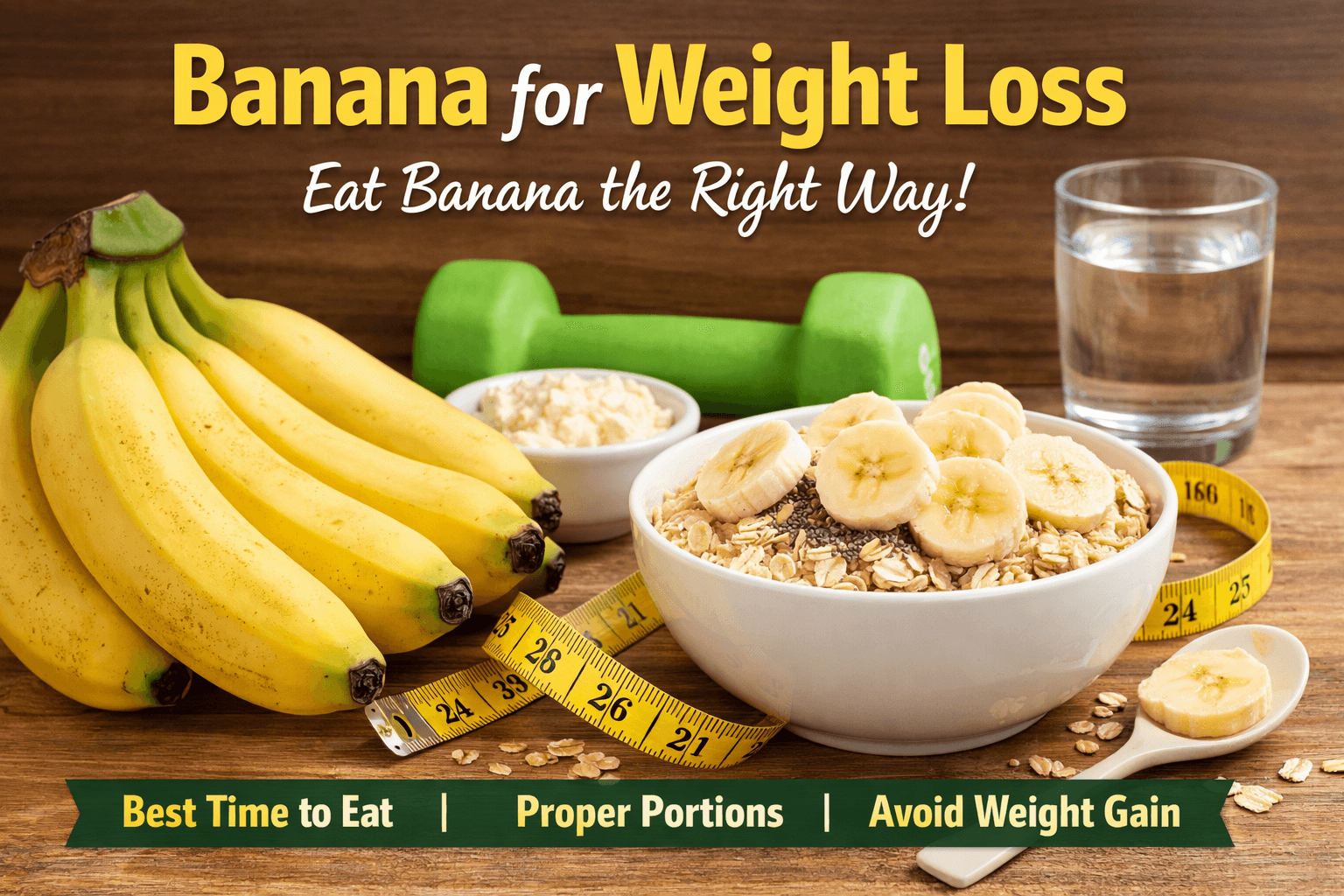
Banana for weight loss is a topic that creates confusion for many people. Some believe bananas cause weight gain because of natural sugars, while others consider them a healthy slimming fruit. In reality, banana for weight loss can work effectively when eaten in the right way, at the right time, and in the right portion. This article explains the science‑backed approach to using banana for weight loss without gaining extra calories.
This comprehensive guide explains what’s in a banana, how its nutrients affect satiety and metabolism, and practical ways to enjoy bananas without adding unwanted pounds. You’ll learn how the ripeness of the fruit changes its effect on blood sugar, the importance of portion size and food pairing, and evidence‑backed insights from nutrition research. Whether you eat bananas daily or only occasionally, these tips will help you benefit from their nutrients while staying on track with your weight‑loss goals.
Banana for Weight Loss: Nutrition Facts Explained
A medium ripe banana (about 7–8 inches long) provides around 105 calories, 1 gram of protein, 28 grams of carbohydrates, 15 grams of natural sugar and 3 grams of fiber, along with about 450 milligrams of potassiumhealth.clevelandclinic.org.
Harvard’s Nutrition Source notes that bananas are a good source of vitamin B6, vitamin C, potassium and magnesiumnutritionsource.hsph.harvard.edu.
WebMD adds that a medium banana supplies approximately 1 gram of protein, 3 grams of fiber, 15 g of sugar and significant amounts of vitamin B6 and magnesiumwebmd.com.
Key micronutrients in a medium banana include:
- Potassium (9–10 % of the daily value) – essential for heart and muscle functionhealthline.com.
- Vitamin B6 (25–30 % DV) – supports metabolism and energy productionhealth.clevelandclinic.orgwebmd.com.
- Vitamin C (11 % DV) – acts as an antioxidant and strengthens immune functionwebmd.com.
- Magnesium (8–10 % DV) – important for blood pressure and blood sugar controlhealthline.com.
- Fiber (about 3 grams per banana) – promotes digestive health and satietyhealth.clevelandclinic.org.
The combination of fiber, resistant starch and micronutrients makes bananas more filling than many other quick snacks. Despite their natural sugars, their low fat content and moderate calorie count mean they can fit into a weight‑loss diet when consumed mindfully.
How Banana for Weight Loss Works in the Body
Banana Fiber and Satiety for Weight Loss
Dietary fiber slows digestion, prolongs the feeling of fullness and helps regulate blood sugarhealth.clevelandclinic.org. Healthline notes that calorie for calorie, bananas are high in fiber but low in calorieshealthline.com; a medium banana provides roughly 11 % of your daily fiber needs with just 105 calorieshealthline.com.
Fiber not only keeps you satisfied but also reduces the risk of heart disease, diverticular disease and some cancershealthline.com. In a 2019 study of adults with overweight, increasing dietary fiber by only 3.7 grams per day led to 1.4 kg (3.1 lb) more weight loss over six monthshealthline.com. By providing around 3 grams of fiber, bananas can contribute to that daily goal. When you feel full and satisfied, you’re less likely to snack on high‑calorie foods later in the day.
Banana Nutritional Profile (Medium Sized – 118g)
| Nutrient | Amount | Why it helps with Weight Loss |
| Calories | 105 kcal | Low-density food that fills you up without high calories. |
| Dietary Fiber | 3.1g | Promotes satiety (fullness) and prevents overeating. |
| Potassium | 422mg | Helps reduce water retention and supports muscle function. |
| Vitamin C | 10.3mg | Boosts immunity and supports fat oxidation during exercise. |
| Resistant Starch | 2-4g | Acts like fiber to boost metabolism (higher in green bananas). |
Resistant Starch in Banana for Weight Loss
Resistant starch is a unique carbohydrate that resists digestion in the small intestine and ferments in the colon. Green or under‑ripe bananas are particularly rich in resistant starchhealthline.com.
This type of starch acts like soluble fiber, slowing the absorption of glucose into the bloodstream and keeping blood sugar levels stablenutritionsource.hsph.harvard.edu. It also feeds beneficial gut bacteriawebmd.com.
Resistant starch has several weight‑friendly properties. It increases the feeling of fullness, helps regulate appetite and may increase fat burninghealthline.com. WebMD notes that resistant starch can make you feel fuller and may lower cholesterol and reduce the risk of colon cancerwebmd.com.
Because most people don’t enjoy eating an unripe banana by itself, using green banana flour in smoothies or baking is another way to add resistant starch to your diet. Remember that as bananas ripen, resistant starch converts to sugar, so pairing ripe bananas with protein or fat can help blunt any blood sugar spikehealth.clevelandclinic.org.
Low to medium glycemic index
The glycemic index (GI) measures how quickly a food raises blood sugar. A GI of 55 or less is considered low. Studies show that ripe bananas have a GI around 51, while slightly under‑ripe bananas have a GI as low as 42nutritionsource.hsph.harvard.edu.
Healthline reports that the glycemic index of bananas ranges from 42 to 62, depending on ripenesshealthline.com. Because bananas have more carbohydrates than some fruits, they also have a moderate glycemic load. However, the presence of resistant starch and fiber helps slow sugar absorption and stabilize blood glucosehealthline.com.
Eating low‑GI foods may help control appetite and support weight losswebmd.com. Pairing a banana with protein – such as nut butter or yogurt – can further lower the meal’s overall glycemic response and keep you satiated longerhealth.clevelandclinic.org.
Evidence from long‑term studies
A large analysis of three prospective cohort studies followed 133 468 U.S. men and women for up to 24 years. After adjusting for factors like smoking and physical activity, researchers found that higher intakes of bananas were associated with less weight gain over timenutritionsource.hsph.harvard.edu. While the effect was not as strong as that of apples and berries, bananas did not contribute to weight gain. Healthline reiterates that there are no studies directly linking bananas to weight gain, and they are considered weight‑loss‑friendly because they are high in fiber and low in calorieshealthline.com.
Prebiotic effects and gut health
Bananas contain fructooligosaccharides (FOS) – unique carbohydrates that aren’t fully digested but instead feed beneficial bacteria in the gutwebmd.com. Supporting a healthy microbiome may help regulate energy balance and weight. The combination of soluble and insoluble fiber in bananas promotes regular bowel movements, eases constipation and reduces inflammationhealth.clevelandclinic.orgwebmd.com.
A healthy digestive system is essential for efficient nutrient absorption and optimal metabolism. hile bananas are great for weight loss, you can also try these [Morning Drinks for Gut Health] to boost your metabolism.”
Common Myths About Banana for Weight Loss
Myth 1: Bananas are too high in sugar
It’s true that bananas contain natural sugars. A medium banana provides around 15 grams of sugarwebmd.com. However, these sugars come packaged with fiber, resistant starch and micronutrients that slow sugar absorption. The glycemic index and glycemic load of bananas are low to moderate, meaning they don’t cause dramatic blood sugar spikesnutritionsource.hsph.harvard.edu. When eaten in appropriate portions and paired with protein or fat, bananas are unlikely to derail weight‑loss effortshealth.clevelandclinic.org.
Myth 2: Bananas are fattening
Bananas are relatively low in calories – about 89–110 calories per 100 gfoodstruct.com. They contain virtually no fat and provide fiber that promotes satietyhealthline.com. Harvard’s Nutrition Source states that there is no evidence that bananas contribute to weight gainnutritionsource.hsph.harvard.edu. In fact, long‑term cohort studies link higher banana consumption with slightly less weight gainnutritionsource.hsph.harvard.edu.
Myth 3: Eating bananas at night causes weight gain
There is no scientific evidence that eating a banana at a particular time of day causes weight gain. Some people avoid fruit at night, thinking it will “turn into fat.” What matters most is total daily calorie intake and macronutrient balance. That said, eating fruit before a meal may help you feel full and reduce overall calorie intakehealth.com. If you enjoy bananas as a bedtime snack, pair them with a protein source like nut butter or Greek yogurt to stabilize blood sugar and support overnight satietyhealth.clevelandclinic.org.
Right Way to Eat Banana for Weight Loss
1. Watch portion sizes
Even healthy foods can lead to weight gain if you overeat them. A medium banana contains about 105 calorieshealth.clevelandclinic.org. Including one banana per day is reasonable for most people, but if you’re on a restricted calorie diet, account for those calories in your overall plan. Very large bananas (over 9 inches) can provide 120 – 135 calories, while smaller ones contain 90 – 100 calories. Stick to one or two small or medium bananas per day, depending on your calorie needs.
2. Choose less ripe bananas for lower sugar and more resistant starch
Unripe or green bananas are rich in resistant starchhealthline.com, which slows digestion and may increase fat burninghealthline.com. The resistant starch content declines as bananas ripen and natural sugars increasehealthline.com. If you’re watching your sugar intake or managing blood sugar levels, opt for slightly green bananas or products made from green banana flour. Eat them raw, add to smoothies, or use green banana flour in pancakes and muffins.
3. Pair bananas with protein or healthy fat
Protein and fat slow gastric emptying and help control blood sugar. Cleveland Clinic dietitian Elyse Rottinger recommends pairing bananas with a high‑protein food (e.g., Greek yogurt, nut butter, cottage cheese or a handful of nuts) to stay full longerhealth.clevelandclinic.org. Spreading almond butter on banana slices, blending banana with protein powder in a smoothie or topping oatmeal with banana and chia seeds are all satisfying combos. This pairing reduces the glycemic impact of the banana and keeps hunger at bay.
4. Eat bananas before meals or workouts
Eating fruit before meals can increase satiety and reduce overall calorie intake. A dietitian‑authored article in Health notes that eating fruit before meals may help you feel full and reduce calorie intakehealth.com. Bananas also provide easily digestible carbohydrates and electrolytes like potassium and magnesium, making them an excellent pre‑workout snackhealth.clevelandclinic.org. They supply quick energy and prevent muscle cramps during exercise. If you eat bananas after a workout, pair them with protein (e.g., a protein shake or yogurt) to support muscle recovery.
5. Use bananas to replace refined sugar in baking
Bananas add natural sweetness and moisture to recipes, allowing you to reduce or eliminate added sugar. Harvard’s Nutrition Source suggests substituting mashed banana for butter in quick breads, muffins and cookies; it also recommends reducing added sugar by one‑quarter to one‑half when using bananasnutritionsource.hsph.harvard.edu. By replacing refined sugar with banana, you cut calories and gain fiber and micronutrients. Frozen bananas blended with a little liquid create a creamy “nice cream” that can satisfy ice cream cravings without added fats or sugarsnutritionsource.hsph.harvard.edu.
6. Avoid highly processed banana products
Banana chips, sweetened banana bread, banana milkshakes and desserts contain added sugar, unhealthy fats and extra calories. Choose whole fruit instead. Fried plantain is a staple in some cuisines but is calorie‑dense and often cooked in oil. If you enjoy plantains, bake or grill them rather than deep‑fry them to reduce added fat.
7. Listen to your body and dietary needs
Everyone’s digestive system and metabolic needs differ. People with diabetes should monitor blood sugar and consider limiting large, fully ripe bananas or pairing them with proteinhealth.clevelandclinic.org. Those with kidney disease may need to limit potassium intake and should consult a healthcare providerhealth.clevelandclinic.org. People with latex allergies may also react to bananashealth.clevelandclinic.org. When in doubt, discuss fruit intake with a registered dietitian or physician.
How Many Bananas Are Ideal for Weight Loss?
There’s no one‑size‑fits‑all answer. For most healthy adults, one to two medium bananas per day can fit into a balanced diet. Each banana adds about 90–120 calories, 3 grams of fiber and a substantial amount of potassium and vitamin B6health.clevelandclinic.org. If you’re very active, using bananas as a pre‑ or post‑workout snack can replenish energy and electrolytes. If you have a sedentary lifestyle or are following a very low‑carb diet, limit yourself to one banana a day or enjoy bananas a few times per week. As always, the key to weight loss is maintaining a calorie deficit while meeting your nutrient needs.
Conclusion
In summary, banana for weight loss is not a myth. When portion size, ripeness, and food combinations are managed correctly, banana for weight loss can support fat loss rather than cause weight gain. Instead of avoiding bananas, learning the correct method of banana for weight loss allows you to enjoy this fruit while staying on track with your health goals.
Frequently Asked Questions (FAQ)
Are bananas good for weight loss?
Yes. Bananas are low in fat and provide fiber and resistant starch, which enhance satietyhealthline.com. Large cohort studies show that banana consumption is associated with less weight gain over timenutritionsource.hsph.harvard.edu. When eaten in moderation and paired with protein, bananas can support weight‑loss efforts.
Do bananas have a low glycemic index?
Ripe bananas have a glycemic index around 51, while slightly under‑ripe bananas have a GI near 42nutritionsource.hsph.harvard.edu. This means they have a low to medium effect on blood sugar. Pairing them with protein or choosing green bananas lowers the glycemic impact furtherhealth.clevelandclinic.org.
Should I avoid bananas at night?
There is no scientific basis for avoiding bananas at night. Total calorie balance is what influences weight gain. Eating fruit before meals may help reduce overall calorie intakehealth.com. If you enjoy a banana in the evening, combine it with protein (e.g., nut butter or Greek yogurt) to support blood sugar stabilityhealth.clevelandclinic.org.
Is it better to eat green or ripe bananas for weight loss?
Green or slightly unripe bananas contain more resistant starch, which slows digestion and may increase fat burninghealthline.com. Ripe bananas have more sugar and less resistant starch. For blood sugar control and satiety, choose bananas that still have a hint of green, or combine ripe bananas with protein to slow digestionhealth.clevelandclinic.org.
How many bananas can I eat in a day without gaining weight?
Most people can safely consume one to two medium bananas per day without gaining weight, as long as total calories are controlled. Each banana adds about 105 calories and 3 grams of fiberhealth.clevelandclinic.org. Adjust your intake based on your energy needs and overall diet.
Are banana smoothies or shakes good for weight loss?
Banana smoothies can be weight‑loss‑friendly when made with whole bananas, protein (e.g., Greek yogurt or protein powder), healthy fats (e.g., nut butter or seeds) and limited added sugar. Avoid commercial smoothies loaded with added sugar or syrups. Using frozen banana instead of ice cream creates a creamy texture while keeping sugar and calories lownutritionsource.hsph.harvard.edu.
Can bananas cause constipation?
Ripe bananas contain soluble fiber, which can help regulate bowel movementswebmd.com. Green bananas are higher in resistant starch and may relieve diarrhea. Very unripe bananas might contribute to constipation in some individuals; ensure adequate water intake and combine them with fiber‑rich foods for optimal digestion.
Are bananas safe for people with diabetes?
People with diabetes can enjoy bananas in moderation. A medium banana contains about 27 grams of carbohydrateswebmd.com. Choose less ripe bananas for lower sugar content and pair them with protein or fat to slow glucose absorptionhealth.clevelandclinic.org. Monitor blood sugar response and adjust portion size accordingly. Consult your healthcare provider for personalized advice.