Ayurvedic Home Remedies for Dry Skin in Winter
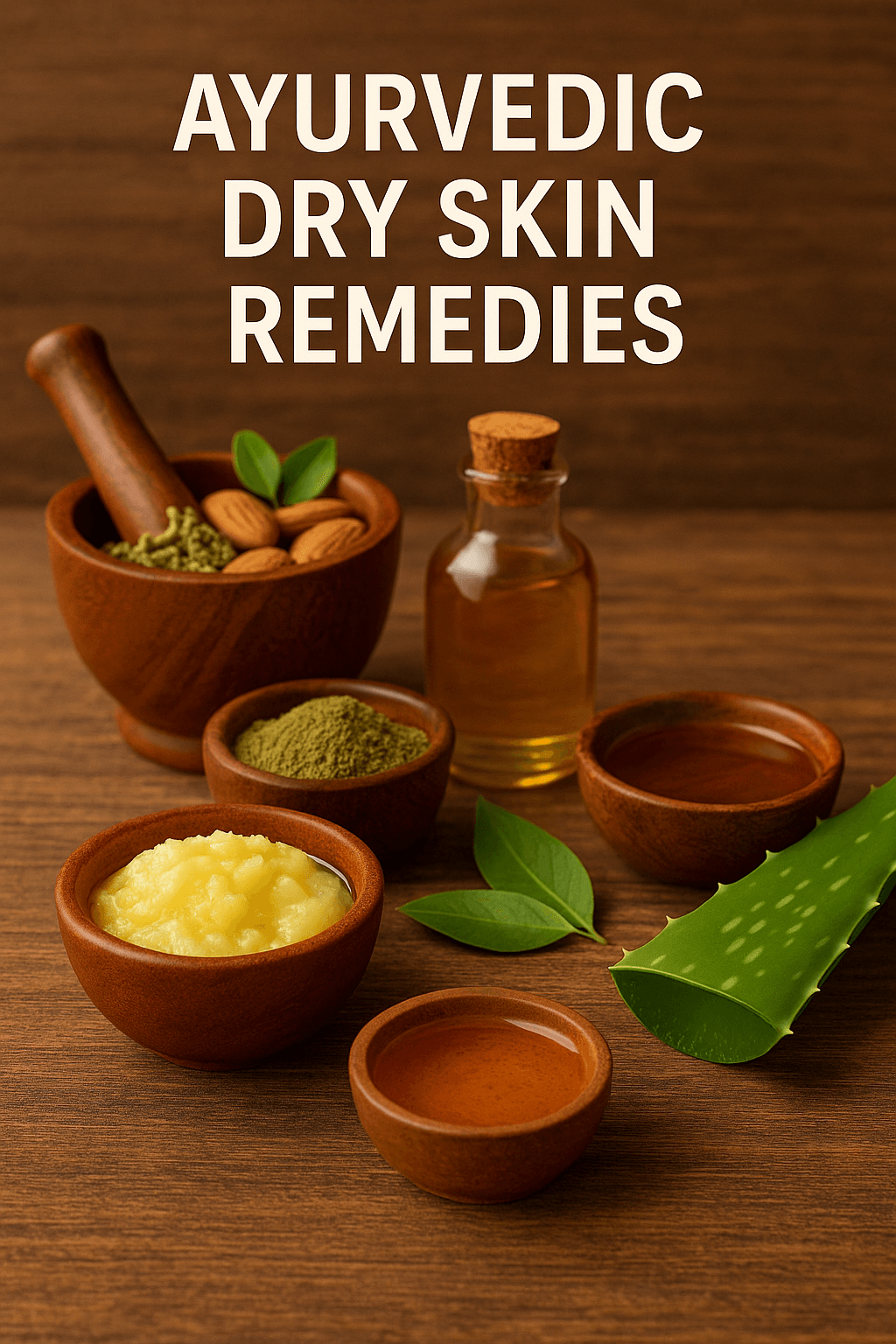
Ayurvedic dry skin remedies are especially powerful during winter when cold winds and low humidity strip the skin of its natural moisture. Ayurveda focuses on balancing Vata—the dosha responsible for dryness—through nourishing oils, hydrating herbs, and natural moisturizers. By using simple yet effective Ayurvedic treatments, you can restore softness, glow, and long-lasting hydration to your skin during harsh winter months.
“These Ayurvedic dry skin remedies help protect the skin during harsh winter months.”
Understanding Dry Skin in Winter & Why Ayurvedic Dry Skin Remedies Work
Winter dryness is more than a seasonal inconvenience. The outermost layer of skin (the stratum corneum) relies on moisture and lipids to protect the bodymedicalnewstoday.com. Even long, hot baths can damage the skin’s surface and worsen drynessmedicalnewstoday.com.
From an Ayurvedic perspective, this loss of moisture triggers an imbalance in Vata. Winter intensifies those qualities. The remedies below work by nourishing Vata with warm oils, hydrating foods, natural moisturisers and routines that prevent moisture loss.“This is why many people rely on Ayurvedic dry skin remedies during the cold season.”
Lifestyle & Dietary Foundations for Ayurvedic Dry Skin Remedies
Ayurvedic dry skin remedies always begin with lifestyle and dietary balance.”
1. Hydration Starts Within
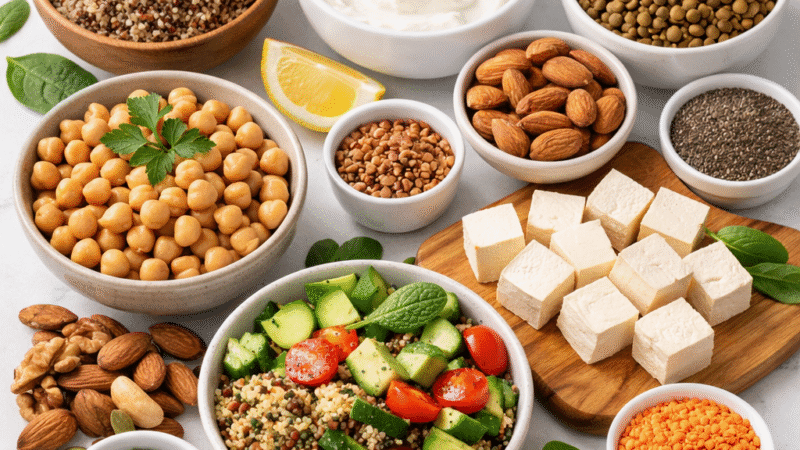
Drinking enough water remains the first step toward happy winter skin. Water helps maintain the moisture balance in skin layers and supports cellular repair. An Ayurvedic skin‑care guide notes that hydration from within keeps skin plump and elasticeternaclinics.com. Aim for 8–10 glasses of water daily and include water‑rich foods like cucumber, watermelon, oranges and tomatoeseternaclinics.com. Starting the day with warm water and lemon helps flush out toxins and boosts hydrationeternaclinics.com.
2. Healthy Fats for Inner Moisture
The lipid barrier of the skin needs good fats to prevent water loss. Ayurvedic practitioners recommend avocados, almonds, walnuts, flax seeds and moderate amounts of ghee and olive oileternaclinics.com. Omega‑3 fatty acids reduce inflammation and support supple skineternaclinics.com. Ghee, a clarified butter revered in Ayurveda, is rich in omega fatty acids and antioxidants and acts as a deep, lasting moisturizerhealthline.com.
3. Balance Digestion & Avoid Dehydrating Foods
Hydration isn’t just about drinking water. Digestion must be strong to absorb nutrients and water. Healthy digestion ensures the nutrients you consume reach your skin effectivelyeternaclinics.com.
4. Use a Humidifier and Avoid Hot Showers
Dermatologists explain that indoor heating reduces humidity, which dries out skinmedicalnewstoday.com. Using a humidifier in winter helps reintroduce moisture to the air and protects your skinmedicalnewstoday.com. Limit hot baths and showers—lukewarm water is kinder to the skin barriermedicalnewstoday.com. After bathing, apply moisturiser immediately to seal in moisturemedicalnewstoday.com.
Top Ayurvedic Dry Skin Remedies for Winter
1. Abhyanga – A Classic Ayurvedic Dry Skin Remedy
One of Ayurveda’s cornerstone therapies is Abhyanga, the practice of massaging the body with warm oil. A winter skin‑care article explains that massaging the skin with warm oils like sesame, almond or coconut helps deeply nourish and moisturise the skinhimaira.com. These oils penetrate, improve blood circulation and leave the skin soft and supplehimaira.com. Abhyanga also pacifies Vata, promoting a sense of calm.“Regular Abhyanga is considered one of the best Ayurvedic dry skin remedies for winter.”
How to do it:
- Warm 2–3 tablespoons of oil (sesame for Vata types, almond for extra vitamin E, or coconut for sensitive skin).
- Massage gently using circular strokes on joints and long strokes on limbs. Focus on dry areas like elbows and knees.
- Leave the oil on for 10–15 minutes to allow absorption, then take a warm (not hot) bath or shower.
- Pat dry and apply moisturiser if needed.
Regular Abhyanga (three times per week) can strengthen the skin barrier and protect against winter dryness.
2. Milk & Honey Mask – Natural Ayurvedic Remedy for Dry Skin
Milk and honey are powerful Ayurvedic ingredients for hydrating the skin. Eterna Clinics, a holistic dermatology centre, notes that honey is a natural humectant—it draws water from the air and binds it to the outer layer of skin, keeping it plump and hydratedeternaclinics.com. Honey contains enzymes, amino acids and antioxidants that hydrate and protect the skin from oxidative stresseternaclinics.com.
Recipe:
- Ingredients: 2 tablespoons raw milk, 1 tablespoon raw honey, optional pinch of turmeric for extra glow.
- Method: Combine ingredients into a smooth mixture. Apply to clean skin and leave for 10–15 minutes. Rinse with lukewarm water. The mask cleanses, moisturises and leaves skin soft.
You can also mix a teaspoon of honey with aloe vera gel and a splash of warm milk; this combination hydrates, soothes and gently cleansesask-ayurveda.com. Oatmeal masks made with warm milk and olive oil are another simple remedy for calming dry, irritated skinask-ayurveda.com.
3.Ubtan – Ayurvedic Exfoliating Remedy for Winter Dry Skin
Ubtan is an ancient Ayurvedic scrub made from gram (chickpea) flour, turmeric and sandalwood powder. When mixed with milk or rose water, it gently removes dead skin cells and improves texturehimaira.com. Turmeric provides antioxidants and anti‑inflammatory compounds, brightening dull winter skinhimaira.com. Ubtan also pacifies Vata by providing mild, nourishing exfoliation without stripping oils.
DIY Ubtan Recipe:
- 2 teaspoons chickpea flour (besan)
- 1 teaspoon cream or yoghurt
- Pinch of turmeric
- Rose water or milk for mixing
Mix to form a paste. Apply to the face and body in gentle circular motions, then leave for 10 minutes before rinsingask-ayurveda.com. Ubtan acts as a cleanser, exfoliant and moisturiser all at once and is traditionally used in Indian weddings to give the bride glowing skinask-ayurveda.com.
4. Aloe Vera – Hydrating Ayurvedic Remedy for Dry Skin
Aloe vera is a powerhouse plant for dry skin. Eterna Clinics describes it as 96 % water and rich in vitamins A, C and Eeternaclinics.com. When applied, aloe vera delivers instant hydration and acts as a humectant, drawing moisture from the environment into the skin and locking it in by preventing trans‑epidermal water losseternaclinics.com. It also restores the skin’s protective barrier and contains amino acids and enzymes that promote healthy regenerationeternaclinics.com.
Usage: Use fresh aloe vera gel directly from the leaf or purchase pure aloe gel. Apply to clean skin as a moisturiser after cleansinghimaira.com. It’s ideal for sensitive or irritated skin because it calms redness and inflammationhimaira.com. For an extra boost, mix aloe vera with ghee (see recipe in the ghee section) or honey for deeper hydrationhealthline.com.
5. Turmeric Masks – Ayurvedic Remedy to Repair Dry Skin
Turmeric (Curcuma longa) is called “liquid gold” in Ayurveda. It is rich in antioxidants and has anti‑inflammatory properties that repair and brighten dry winter skinhimaira.com.
Simple Turmeric Face Pack:
- 1/2 teaspoon turmeric powder
- 1 tablespoon yoghurt or milk
- 1 teaspoon honey
Mix into a smooth paste, apply to clean skin, and leave for 10–15 minutes before rinsing. The combination of turmeric, honey and yoghurt nourishes, exfoliates and combats dullness. Turmeric can also be added to ubtan or ghee masks for extra radiance.
6. Almond Oil – Ayurvedic Oil Remedy for Dry Skin
Almond oil is a traditional favourite for Vata‑type skin. Medical News Today notes that almond oil is both a moisturiser and an emollientmedicalnewstoday.com. Moisturisers supply water to the skin and hold it with an oily substance, while emollients smooth the skin and help it retain moisturemedicalnewstoday.com. Almond oil is rich in vitamin E and is often used to soothe dry skin conditions like dermatitis and eczemamedicalnewstoday.com. One study showed that emollients containing refined almond oil improved itching and barrier function in people with xerotic eczemamedicalnewstoday.com.
How to use: Warm a few drops of sweet almond oil between your palms and massage into clean skin at night. It works well as an overnight moisturiser. Almond oil can also be mixed with sugar to make a gentle exfoliating scrub or added to bath watermedicalnewstoday.com. People with nut allergies should perform a patch test before usingmedicalnewstoday.com.
7. Coconut Oil – Ayurvedic Moisturizing Remedy for Dry Skin
Coconut oil is another Ayurvedic staple. Medical News Today reports that coconut oil can hydrate the skin and help it retain moisturemedicalnewstoday.com. Its benefits include moisturising dry skin, reducing inflammation, promoting wound healing and having antibacterial, antifungal and antiviral propertiesmedicalnewstoday.com. Some studies suggest that coconut oil may improve the skin’s barrier function and reduce inflammation caused by UVB raysmedicalnewstoday.com. It is rich in polyphenols and fatty acids that strengthen the skin barriermedicalnewstoday.com.
Usage: Use virgin coconut oil as a face and body moisturiser, especially after bathing. It can be mixed with other oils like sesame or almond to reduce greasiness. For a deeply hydrating hand cream, combine 2 tablespoons of coconut oil with 2 tablespoons of gheehealthline.com.
8. Sesame Oil – Winter Ayurvedic Remedy for Dry Skin
Sesame oil is particularly beneficial in winter because of its warming nature. Abhyanga with sesame oil nourishes the skin, improves circulation and balances Vatahimaira.com. It is also recommended for oil pulling, an Ayurvedic practice of swishing oil in the mouth that supports overall skin healthask-ayurveda.com. When used on the face and body, sesame oil prevents trans‑epidermal water loss and protects against wind and cold.
9. Ghee Masks – Deep Nourishing Ayurvedic Dry Skin Remedy
Ghee not only moisturises skin but also allows herbal ingredients to penetrate deeplyhealthline.com. Healthline notes that ghee is a natural moisturiser containing vitamin A and fatty acids that provide deep, lasting hydrationhealthline.com. It brightens the skin and may support collagen productionhealthline.com.
Ghee Face Mask: Combine 2 tablespoons ghee with 2 tablespoons gram flour and a pinch of turmerichealthline.com. Apply for 20 minutes and rinse. For a rich moisturiser, melt 2 tablespoons ghee and mix with 2 tablespoons aloe vera gel, allow to cool, then apply for 10–15 minuteshealthline.com. You can also mix ghee with coconut or almond oil for a soothing hand creamhealthline.com.
10. Aloe, Honey & Milk Face Pack
For an easy remedy that combines several ingredients, mix aloe vera gel, honey and milk. Ask Ayurveda recommends blending 1 tablespoon aloe vera, 1 teaspoon honey and a few drops of almond oil for a soothing maskask-ayurveda.com. Apply for 20 minutes to calm inflammation and deeply hydrate dry skinask-ayurveda.com.
11. Jojoba Oil & Other Plant Oils
Although not traditionally Ayurvedic, jojoba oil closely resembles the skin’s natural sebum. Eterna Clinics highlights that jojoba oil balances natural sebum, deeply penetrates without clogging pores and is ideal for dry winter skineternaclinics.com. Other plant oils like sesame, almond and coconut are also recommended for daily application to lock in moistureeternaclinics.com.
12. Simple Daily Skin‑Care Routine
Ayurveda emphasises consistency and simplicity. Ask Ayurveda provides a straightforward routine for dry skinask-ayurveda.com:
- Cleanse: Use a mild cleanser made from milk, rosewater, sandalwood or chickpea flourask-ayurveda.com. Avoid foaming cleansers that strip natural oilsask-ayurveda.com.
- Tone: Spritz rosewater or cucumber juice to hydrate and calm the skinask-ayurveda.com.
- Moisturise: Apply a few drops of almond, coconut or Ayurvedic face oil and massage gentlyask-ayurveda.com. During the day, follow with a lightweight Ayurvedic moisturiser containing ghee or sesame oilask-ayurveda.com.
- Mask: Twice a week, apply a nourishing mask such as honey & cream or besan & milkask-ayurveda.com.
- Protect: Wear scarves and gloves outdoors, and use a humidifier indoorsmedicalnewstoday.com.
Consistency matters more than perfection. Use gentle products and listen to how your skin responds.
FAQs
Q1. Why does skin get so dry in winter?
Winter brings low humidity and cold temperatures that reduce moisture in the skin and decrease lipids in the skin barriermedicalnewstoday.com. Indoor heating and hot showers further strip oils and damage the barriermedicalnewstoday.com, leading to rough patches, flaking and itchingmedicalnewstoday.com.
Q2. How does Ayurveda view dry skin?
Ayurveda associates dry skin with an imbalance of the Vata dosha, which has qualities of dryness, coldness and lightness. Winter aggravates Vata, so Ayurvedic remedies focus on warming, nourishing and hydrating the body both internally and externally.
Q3. What oils are best for Abhyanga?
Sesame oil is warming and ideal for winter; almond oil adds vitamin E; coconut oil is soothing and antimicrobialhimaira.com. You can mix oils or choose based on skin type. Always warm the oil slightly before massage.
Q4. Are there risks to using almond or coconut oil on the face?
Almond oil is generally safe but may cause issues for people with nut allergies; a patch test is recommendedmedicalnewstoday.com. Coconut oil may clog pores for some people; if you have acne‑prone skin, use lighter oils like sesame or jojoba and consult a dermatologist.
Q5. Can I apply ghee directly to my face?
Yes. Ghee is a natural moisturiser rich in vitamin A and fatty acids, providing deep hydration and a healthy glowhealthline.com. Use it as a mask or mix with aloe vera or oils for creamshealthline.com.
Q6. What is ubtan, and why is it useful?
Ubtan is a traditional scrub made of gram flour, turmeric and sandalwood powder. When mixed with milk or rosewater, it exfoliates dead skin cells and improves texturehimaira.com. Turmeric provides antioxidants that brighten dull skinhimaira.com.
Q7. How often should I do these remedies?
For most remedies, 1–3 times per week is sufficient. Abhyanga can be performed daily or a few times per week. Mask treatments like milk & honey or ubtan are best used twice weekly. Observe how your skin responds and adjust accordingly.
Q8. What lifestyle changes help prevent dry skin in winter?
Stay hydrated, eat healthy fats, use a humidifier, avoid hot showers and wear protective clothingmedicalnewstoday.com. Balance your digestive fire through mindful eating and avoid dehydrating foods like excessive caffeine and processed snackseternaclinics.com.
Conclusion
Dry skin in winter doesn’t have to be a constant struggle. By understanding how cold weather damages the skin barrier and applying Ayurvedic principles, you can restore softness and glow. Winter dryness results from reduced moisture and lipids in the skin barrier and from environmental factors like indoor heating and hot showersmedicalnewstoday.com. Ayurveda offers holistic solutions: nourish the body from within with water and healthy fatseternaclinics.com, balance digestioneternaclinics.com, and apply natural remedies like warm oil massages, milk & honey masks, ubtan, aloe vera, turmeric, ghee and plant oilshimaira.com.
Consistency, patience and listening to your skin are key. Combine these ancient remedies with modern dermatology advice—use humidifiers, avoid harsh soaps and wear protective clothing—to enjoy a comfortable, hydrated winter. With mindful self‑care, your skin can remain soft, radiant and healthy all season long.